
Up until recently, measles vaccination has been so effective that there’s been little medical or financial incentive to develop treatments for the disease.
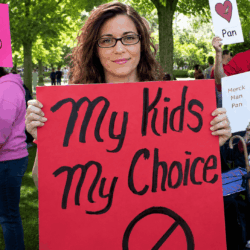
But as measles cases hit a 35-year high and vaccination rates continue to decline in the US, a handful of biotech companies and academic groups have started working on measles treatments for those infected with the virus as well as vulnerable individuals needing short-term protection. It will likely be years, however, before these countermeasures are available, and it’s even more uncertain if those who refuse vaccines would take such treatments.
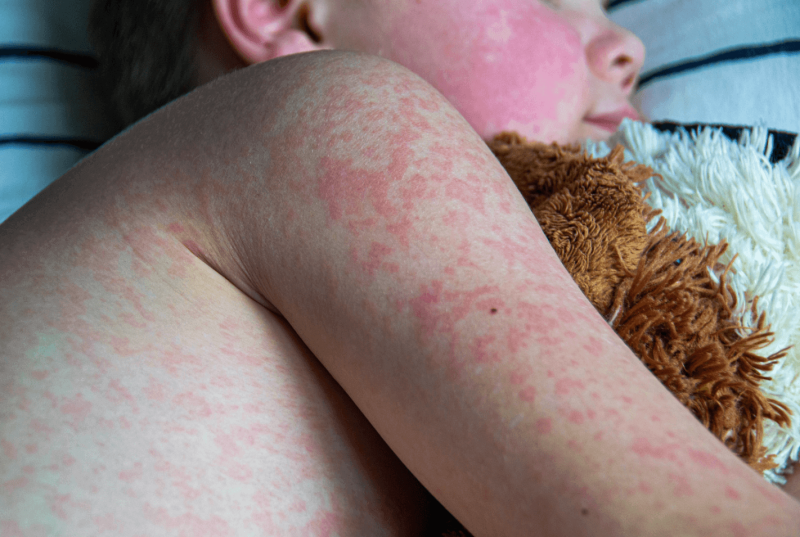
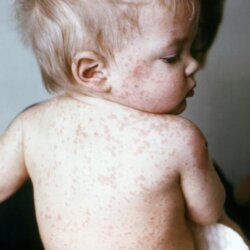
Young children are the most susceptible to severe complications from measles. The virus can cause pneumonia by damaging the respiratory tract lining directly and by suppressing the immune system, leaving them susceptible to bacterial infections. It can also cause deafness and potentially fatal brain damage. Without a measles-specific treatment, doctors rely on supportive care such as preventing dehydration, managing breathing difficulties, and administering steroids for inflammation.
…

… In the event of a local measles outbreak, a monoclonal antibody could provide short-term protection to those at high risk of contracting the virus.