Allergic to peanuts? Genetic engineering may provide a rescue

Screen Shot at PM

Allergic reactions to peanuts cause around 500 hospitalizations and even some deaths in the United States each year. … Accidentally ingesting as little as a third of a single peanut — about 70 milligrams — can send someone to the emergency room, and some people may react to only 1 milligram….

A number of other teams have … tried various ways to make peanuts less lethal. A 2008 study led by a U.S.D.A. scientist showed that the shocks produced by pulsed ultraviolet light significantly reduced the allergenicity of peanut extracts in a lab test. Researchers in China have tried irradiating peanut extracts with gamma rays to make them less allergenic.

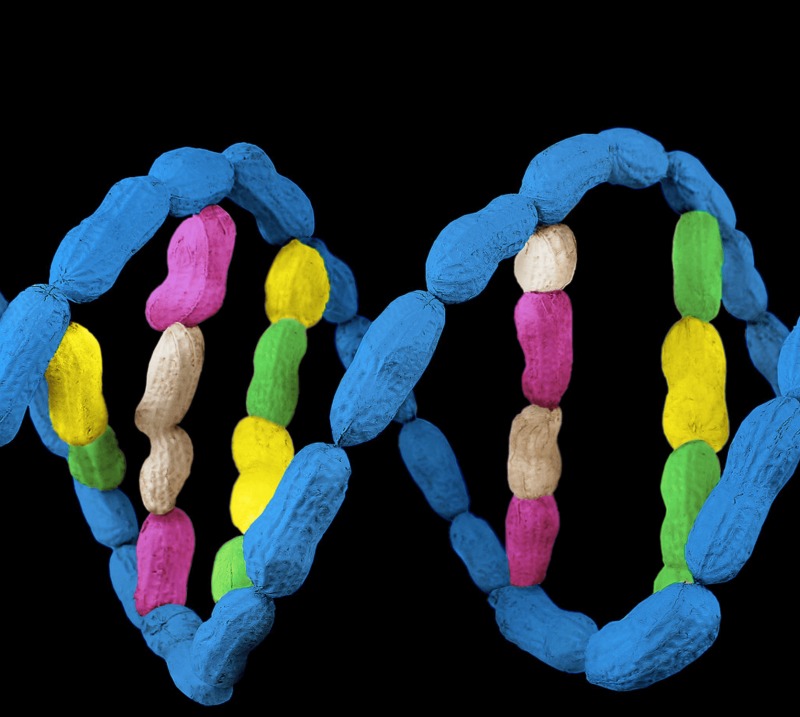
Improvements in genetic-engineering tools have given molecular biologists the means to stop the peanut plant from producing some of the allergenic proteins in the first place. … [O]nce allergenic genes are silenced, they stay that way through multiple generations of the peanut plant …

The scientists bioengineering peanuts to lack allergens are hoping to eliminate genes from the final product, rather than introduce any new ones.


[T]he goal of preventing accidental deaths by replacing peanuts for the general population with a safer version becomes ever more elusive as scientists discover more about how much the nature and strength of peanut allergy can vary from one individual to the next.

The GLP aggregated and excerpted this blog/article to reflect the diversity of news, opinion and analysis. Read full, original post: Is It Possible to Make a Less Allergenic Peanut?

{{ reviewsTotal }}{{ options.labels.singularReviewCountLabel }}
{{ reviewsTotal }}{{ options.labels.pluralReviewCountLabel }}
{{ options.labels.newReviewButton }}
{{ userData.canReview.message }}

Related Articles

Infographic: Global regulatory and health research agencies on whether glyphosate causes cancer

Infographic: Global regulatory and health research agencies on whether glyphosate causes cancer

Does glyphosate—the world's most heavily-used herbicide—pose serious harm to humans? Is it carcinogenic? Those issues are of both legal and ...

Most Popular

Credit: ACSH
Viewpoint: Who and what’s to blame for the surge in vaccine-preventable diseases?
ChatGPT-Image-May-28-2026-12_56_54-PM
Viewpoint: Vaccines' non-specific effects? The ‘shoddy’ Danish couple whose 'research’ inspires RFK, Jr.’s health delusion
Organic-Produce
Viewpoint: Why you should ignore organic food advocates’ advice to avoid ‘pesticide soaked’ conventional fruits and vegetables
Screenshot-2026-06-05-at-2.12.30-PM
Some plants can poison you. So how did humans figure out what is safe to eat?
Screenshot-2026-06-08-at-11.05.51-AM
Can vaping lead to cancer? New ‘association study’ raises questions of “links"
ChatGPT Image Jun 3, 2026, 03_14_43 PM
Viewpoint: How Earthjustice became the poster child for the abuse of special interest activist funding
ChatGPT-Image-Jun-5-2026-01_17_48-PM
GLP-1 weight-loss drugs may reshape our desires and emotions
Screenshot-2026-06-05-at-3.30.20-PM
Republican lawmakers spread misinformation claiming solar farms permanently destroy potato farms
edb7f6d7-2370-418f-9578-74e29678e35c
Facts & Fallacies Podcast: Nicotine vaping—public health miracle, or risk to children? Professor Cliff Douglas
Screenshot-2026-06-08-at-10.19.30-AM
‘Natural’ wellness supplements linked to liver injury
ChatGPT-Image-Mar-10-2026-01_39_01-PM
Viewpoint—“Miracle molecule” debunked: Why acemannan supplements don’t work
ChatGPT-Image-May-26-2026-07_51_21-AM-2
Viewpoint: There are more than 1,000 chemicals in a cup of coffee—including many substances that can cause cancer. Why isn’t it banned?
glp menu logo outlined

Get news on human & agricultural genetics and biotechnology delivered to your inbox.