Guide to CRISPR gene editing revolution

Capture
Credit: Natalia Bronshtein/STAT.

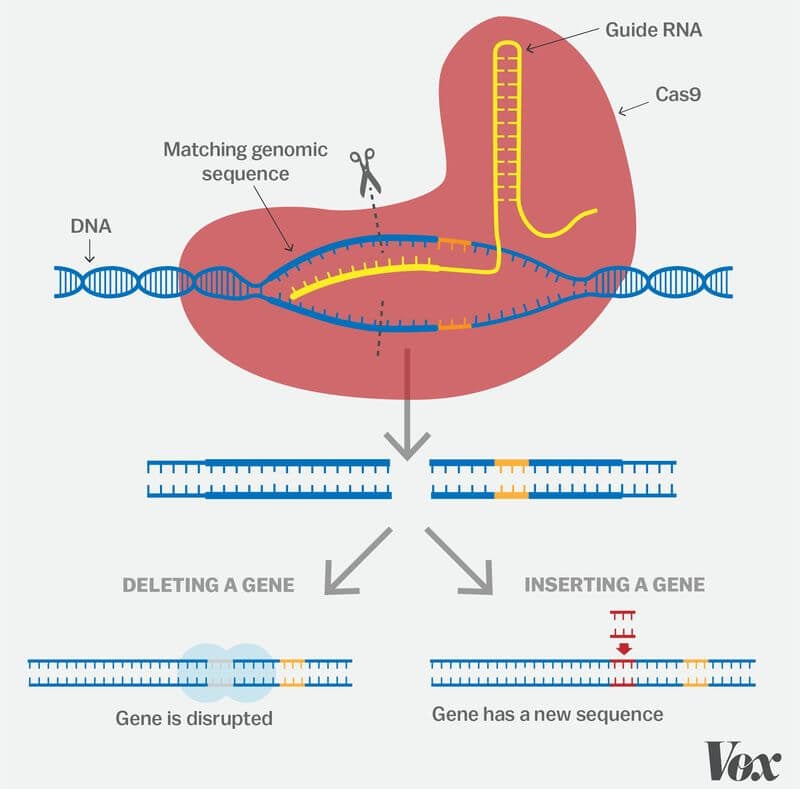
In 2016 alone, researchers have shown CRISPR can do some truly astounding things, like create mushrooms that don’t brown easily or edit bone marrow cells in mice to treat sickle-cell anemia. Down the road, CRISPR might help us develop drought-tolerant crops, create powerful new antibiotics, or treat diseases like cystic fibrosis. CRISPR might one day even allow us to wipe out entire populations of malaria-spreading mosquitoes or resurrect once-extinct species like the passenger pigeon. And, while there are real limits to what CRISPR can do, researchers are working to overcome them.

Gene editing itself isn’t new…What makes CRISPR so revolutionary is that it’s incredibly precise: The Cas9 enzyme mostly goes wherever you tell it to go. And it’s incredibly cheap and easy…Now it might cost just $75 and only take a few hours.
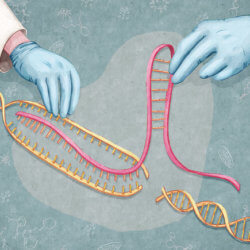
Artboard
How scientists can use CRISPR to edit genes in other organisms. With CRISPR, they can now make these edits quickly and cheaply, in days rather than weeks or months. Credit: Janvier Zarracina

In 2011, there were fewer than 100 published papers on CRISPR. In 2016, there were more than 1,000 and counting, with new refinements to CRISPR, new techniques for manipulating genes, improvements in precision, and more. “This has become such a fast-moving field that I even have trouble keeping up now,” says [Jennifer Doudna, a Professor of Chemistry at the University of California, Berkeley and a leading figure in the CRISPR revolution].
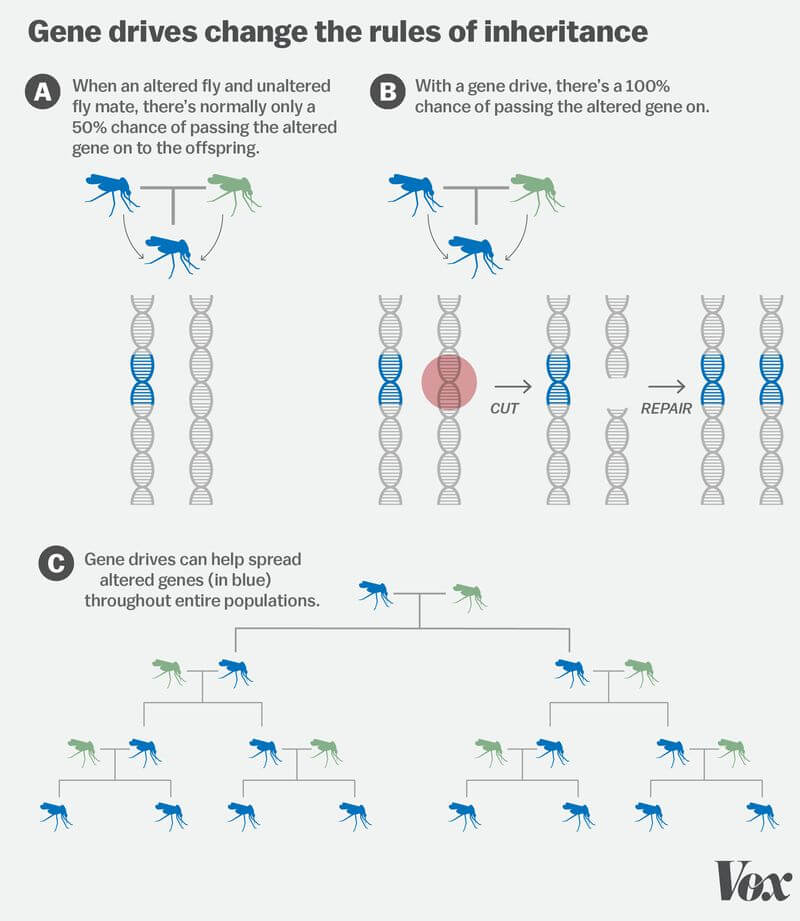
Artboard
Using CRISPR to modify not just a single organism but to modify an entire species is a concept known as “gene drive.” Credit: Janvier Zarracina/ Source: Oye et al 2014

The GLP aggregated and excerpted this blog/article to reflect the diversity of news, opinion, and analysis. Read full, original post: A simple guide to CRISPR, one of the biggest science stories of 2016

{{ reviewsTotal }}{{ options.labels.singularReviewCountLabel }}
{{ reviewsTotal }}{{ options.labels.pluralReviewCountLabel }}
{{ options.labels.newReviewButton }}
{{ userData.canReview.message }}

Related Articles

Infographic: Global regulatory and health research agencies on whether glyphosate causes cancer

Infographic: Global regulatory and health research agencies on whether glyphosate causes cancer

Does glyphosate—the world's most heavily-used herbicide—pose serious harm to humans? Is it carcinogenic? Those issues are of both legal and ...

Most Popular

Screenshot-PM-24
Viewpoint: The herbicide glyphosate isn’t perfect. Banning it would be far worse.
79d03212-2508-45d0-b427-8e9743ff6432
Viewpoint: The Casey Means hustle—Wellness woo opportunism dressed up as medical wisdom
d-b
Blocked arteries, kidney stones, nausea, constipation, fatigue: Long list of health problems caused by too much vitamin D 
ChatGPT-Image-Mar-27-2026-11_27_05-AM
The myths of “process”: What science says about the “dangers’ of synthetic products and ultra-processed foods
ChatGPT-Image-Apr-30-2026-12_21_05-PM-2
The tech billionaires behind the immortality movement
ChatGPT-Image-Mar-3-2026-01_17_14-PM
MAHA wellness influencers deride proven anxiety medications, tout lifestyle fixes
ChatGPT-Image-Apr-30-2026-05_00_48-PM
Wellness grifter physician turned wellness influencer out as surgeon general nominee
ChatGPT-Image-Mar-10-2026-01_39_01-PM
Viewpoint—“Miracle molecule” debunked: Why acemannan supplements don’t work

Sorry. No data so far.

glp menu logo outlined

Get news on human & agricultural genetics and biotechnology delivered to your inbox.