How bacteria inspired the birth of CRISPR gene editing

CRISPR
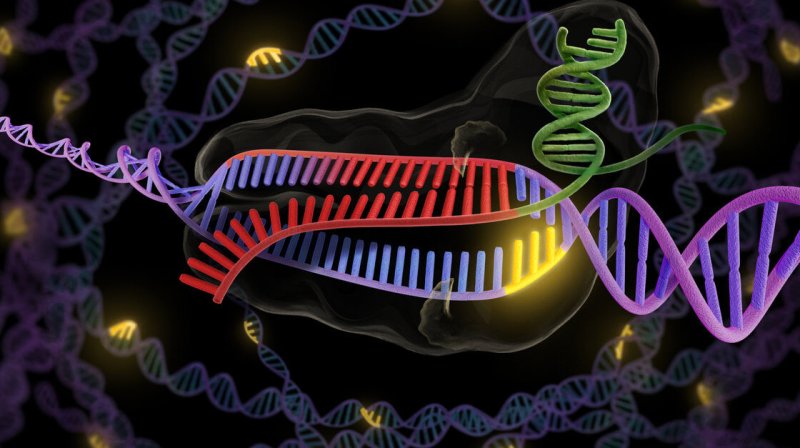
Credit: Jennifer Doudna, UC Berkeley

Within a few years, the study of CRISPR had moved beyond fundamental research into a full-fledged gene-editing revolution that enabled scientists to fashion novel plants and animals with thrillingโ€”and sometimes troublingโ€”ease.

Humans learned these gene-editing techniques from bacterial species that used CRISPR to fight off their viral attackers…Whenever such a bacterial cell kills off a virus, it inserts a fragment of the viral DNA into its own genome, which allows it to identify that virus easier in the future. To make that genomic self-edit, bacteria cut their own DNA using two CRISPR-associated proteins (Cas1 and Cas2), insert the virusโ€™s genetic signature, and stitch the DNA back together with DNA-repairing enzymes.

Gene editing also quickly raised a gamut of medical, legal, and ethical questions. The steady stream of studies in which scientists used CRISPR to change over a dozen plant and animal genomes, brought up an uncomfortable question: Are humans next? Would it be ethical and beneficial to apply gene-editing techniques to ourselves?

The GLP aggregated and excerpted this blog/article to reflect the diversity of news, opinion, and analysis. Read full, original post:ย How Bacteria Taught Us to Edit Genes

{{ reviewsTotal }}{{ options.labels.singularReviewCountLabel }}
{{ reviewsTotal }}{{ options.labels.pluralReviewCountLabel }}
{{ options.labels.newReviewButton }}
{{ userData.canReview.message }}

Related Articles

Infographic: Global regulatory and health research agencies on whether glyphosate causes cancer

Infographic: Global regulatory and health research agencies on whether glyphosate causes cancer

Does glyphosateโ€”the world's most heavily-used herbicideโ€”pose serious harm to humans? Is it carcinogenic? Those issues are of both legal and ...

Most Popular

Screenshot 2026-05-26 at 10.15
Viewpoint: Double standardโ€”Why does the wellness industry get a free pass while Big Healthcare is treated as morally suspect?
ChatGPT-Image-Jun-4-2026-11_49_36-AM-2
โ€˜You donโ€™t understand Tolkienโ€™: Skeptic Pope trolls tech giants about the exaggerated, risk-less benefits of AI
Screenshot-2026-06-04-at-12.05.08-PM
Cases of brain inflammation surge as U.S. measles pandemic approaches 2000
ChatGPT-Image-Jun-4-2026-01_27_58-PM
Viewpointโ€”N.A.D.+: Why Gwenyth Paltrowโ€™s heralded anti-aging supplement doesnโ€™t work
Screenshot 2025-07-30 at 10.48
Can gene editing eliminate Down syndrome? Scientists have done it in lab-grown cells
ChatGPT Image May 26, 2026, 08_42_17 AM (1)
Viewpoint: Greenpeace and poison: How environmental advocacy groups rely on compliant (and often ignorant) journalists to spread disinformation and spark litigation
ChatGPT-Image-Mar-10-2026-01_39_01-PM
Viewpointโ€”โ€œMiracle moleculeโ€ debunked: Why acemannan supplements donโ€™t work
Screenshot-2026-06-03-at-1.24.46-PM
Challenging anti-GMO disinformation: Why genetically-tweaked crops offer bushels of benefits
ChatGPT Image May 26, 2026, 08_21_36 AM
Limiting gender affirming interventions: Trump administration targets Texas even though it already bans youth access
tick-DNA
GLP podcast: Spread meat allergy with gene-edited ticks? Bioethicists pose vile โ€˜thought experimentโ€™
Screenshot 2026-06-04 at 12.43
Viewpoint: Doctors who are battling Ebola are incredulous that U.S. government is not utilizing specially designed emergency health units meant to fight virulent disease
glp menu logo outlined

Get news on human & agricultural genetics and biotechnology delivered to your inbox.