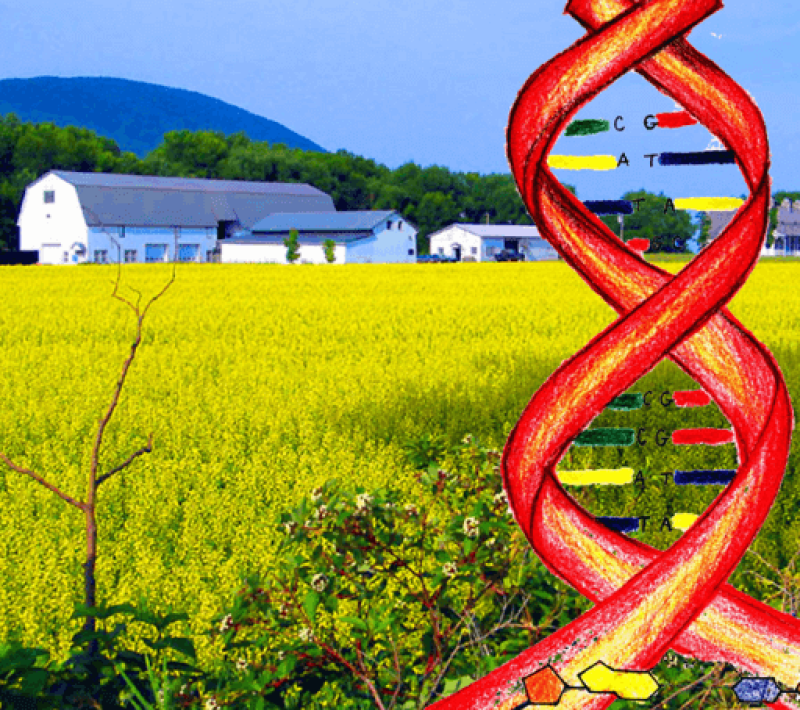

Editor’s Note: The author of this article, Bob Bartley, is a Canadian farmer who grows genetically modified corn, canola, and soybeans.
Government regulators and scientists have questioned the safety of GE crops from the beginning. As a result, these crops have undergone testing far beyond that required for other new varieties. As many as 2,000 studies have been published on GE crop safety. The results say that the GE crops now grown are as safe as any others – and perhaps even safer.
In addition, several studies show that GE crops reduce food prices. That’s a direct result of the higher farm yields. GE crops help give North American consumers the safest, highest quality and most affordable food in the world.
…
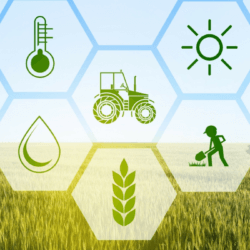



Society’s buying habits now lean toward being environmentally friendly and sustainable. GE crops lean the same way. Here’s why:
- GE crops lead to better air and water quality due to reduced erosion and reduced tillage.
- This technology means fewer pesticides applied and less fossil fuel consumption, resulting in lower greenhouse gases.
- Crops are produce with less nitrogen and less water.
- Beneficial insects are protected.
It turns out that what’s good for me as a farmer is also good for you the consumer – and the land we all live on. And that’s a win-win-win situation.
The GLP aggregated and excerpted this blog/article to reflect the diversity of news, opinion, and analysis. Read full, original post: Why genetically-enhanced crops contribute to a better world