Bill Gates: ‘Disease resistant, biofortified cassava one of reasons I’m optimistic about Africa’

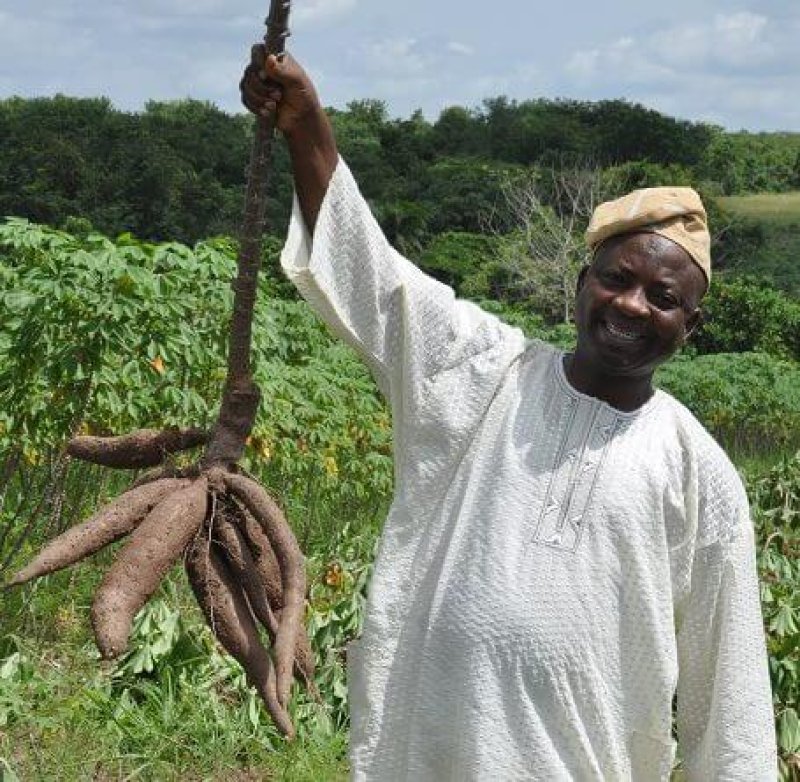
Cassava field roots L Sanni Nigeria A Graffham e

A recent opinion poll found that the majority of Americans are optimistic about 2017.

Although 2016 was a tough year for many African economies, almost every trend on the continent has been moving in the right direction over the last decade. Per capita income, foreign investment, agricultural productivity, mobile banking, entrepreneurship, immunization rates, and school enrollment are all heading upwards. Poverty, armed conflicts, HIV, malaria, and child mortality are all on the decline—steeply so in many places.

2. These Hybrids Will Improve the Lives of Half a Billion People
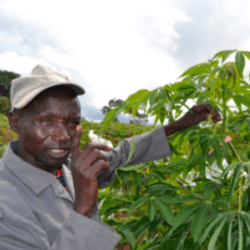
In the developed world, most people eat the root vegetable cassava only in tapioca pudding or bubble tea. But in Africa, it’s the primary staple for half a billion people and the continent’s most popular crop. That’s why I’m super excited that scientists are using the most advanced hybridization techniques for the benefit of cassava farmers and those who depend on the crop. With the support of UK Department for International Development and our foundation, scientists are making great progress developing hybrids that are resistant to the major virus that cuts down on cassava yields (cassava mosaic virus). At the same time, these scientists are breeding strains that have more nutrients than the strains under cultivation today.

The GLP aggregated and excerpted this blog/article to reflect the diversity of news, opinion, and analysis. Read full, original post: 5 Reasons I’m Optimistic About Africa

{{ reviewsTotal }}{{ options.labels.singularReviewCountLabel }}
{{ reviewsTotal }}{{ options.labels.pluralReviewCountLabel }}
{{ options.labels.noReviewsLabel }}
{{ options.labels.newReviewButton }}
{{ userData.canReview.message }}

Related Articles

Infographic: Global regulatory and health research agencies on whether glyphosate causes cancer

Infographic: Global regulatory and health research agencies on whether glyphosate causes cancer

Does glyphosate—the world's most heavily-used herbicide—pose serious harm to humans? Is it carcinogenic? Those issues are of both legal and ...

Most Popular

ChatGPT-Image-Jul-22-2026-09_13_07-AM
Viewpoint—The Strategic Litigation boom: Understanding the tightening coalition among NGOs, foundations, journalists, and tort lawyers
close up arabica coffee farmer s hands picking beans plant his farm colombia
Viewpoint: Why do so many ‘mainstream’ and ‘respected’ media outlets exaggerate climate change threats?
ChatGPT-Image-Mar-10-2026-01_39_01-PM
Viewpoint—“Miracle molecule” debunked: Why acemannan supplements don’t work
How to Include More Strawberries in Your Diet
Strawberries are berries—and 35 other surprising food and drink myths
diversity
We are entering a new era of personalized medicine—if you’re white
organic scaled
Facts & Fallacies podcast: Organic food cuts pesticide exposure? A response to Dr. Rhonda Patrick
ChatGPT-Image-May-22-2026-10_26_09-AM
Trump-RFK, Jr. National Science Board firings: Accountability vs. partisan meddling
Screenshot-2026-07-07-at-12.55.44-PM
Viewpoint: Yes, we can adapt to a changing climate without devastating the environment and the economy
kratom
Viewpoint: Kratom ‘supplement’ crisis: DEA sits on its hands while patient addictions to this ineffective drug  rise
Screenshot 2026-07-22 at 10.25
Science brain drain escalates as Trump purge extends to USDA
using genetics to reverse aging
Is the longevity obsession a new form of ageism?
Screenshot-2026-07-01-at-2.49.48-PM
Dr. TikTok and male fertility: Viral claims tout GLP-1 drugs as fertility boosters. What does the science say?
ChatGPT-Image-Jul-6-2026-02_25_26-PM
40 million Americans take glucosamine. If you have memory loss, it could accelerate cognitive decline.
glp menu logo outlined

Get news on human & agricultural genetics and biotechnology delivered to your inbox.