How Neanderthal DNA shaped the human genome

[These excerpts were taken from a New York Times interview with John Anthony Capra, an evolutionary genomics professor.]

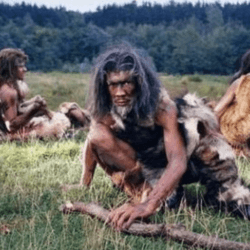
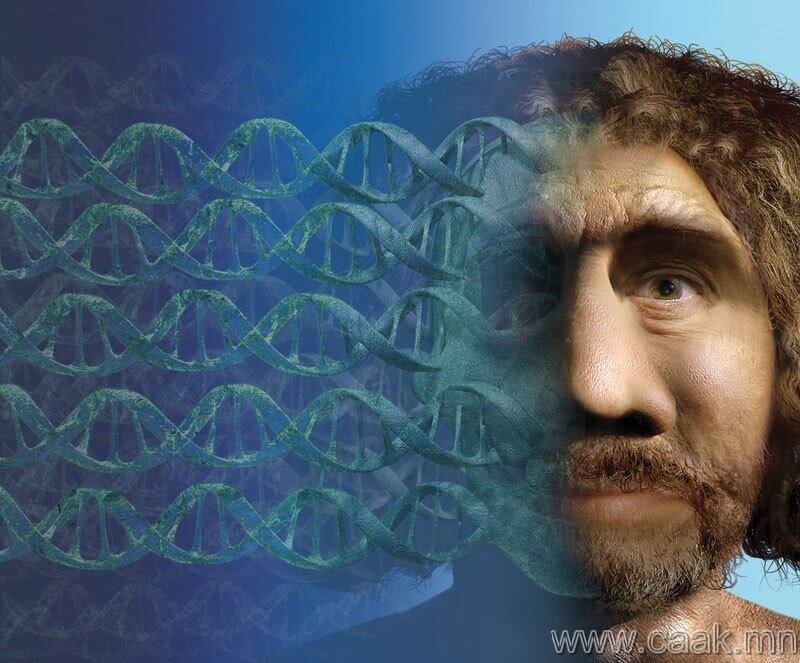
Geneticists tell us that somewhere between 1 and 5 percent of the genome of modern Europeans and Asians consists of DNA inherited from Neanderthals, our prehistoric cousins.

…

What we’ve been finding is that Neanderthal DNA has a subtle influence on risk for disease. It affects our immune system and how we respond to different immune challenges. It affects our skin. You’re slightly more prone to a condition where you can get scaly lesions after extreme sun exposure. There’s an increased risk for blood clots and tobacco addiction.

To our surprise, it appears that some Neanderthal DNA can increase the risk for depression; however, there are other Neanderthal bits that decrease the risk. Roughly 1 to 2 percent of one’s risk for depression is determined by Neanderthal DNA.

…
It probably helped our ancestors survive in prehistoric Europe. When humans migrated into Eurasia, they encountered unfamiliar hazards and pathogens. By mating with Neanderthals, they gave their offspring needed defenses and immunities.

That trait for blood clotting helped wounds close up quickly. In the modern world, however, this trait means greater risk for stroke and pregnancy complications. What helped us then doesn’t necessarily now.

The GLP aggregated and excerpted this blog/article to reflect the diversity of news, opinion, and analysis. Read full, original post: What Did Neanderthals Leave to Modern Humans? Some Surprises

Related Articles

Infographic: Global regulatory and health research agencies on whether glyphosate causes cancer

Infographic: Global regulatory and health research agencies on whether glyphosate causes cancer

Does glyphosate—the world's most heavily-used herbicide—pose serious harm to humans? Is it carcinogenic? Those issues are of both legal and ...

Most Popular

ChatGPT-Image-Mar-10-2026-01_39_01-PM
Viewpoint—“Miracle molecule” debunked: Why acemannan supplements don’t work
Screenshot-2026-10-06-at-2.36.47-PM
Is organic farming really more sustainable? 100 recent studies say ‘no’
Supreme-Court-Amid-Climate-Crisis
Should fossil fuel companies be shielded from lawsuits over climate change damage? The Supreme Court takes up the question
Screenshot 2025-09-17 at 12.41
Jump-starting global warming: Rising temperatures are driving up emissions from wildfires, fermenting wetlands, and melting permafrost
Screenshot-2026-10-02-at-9.11.36-AM
The genetics of personality
Radioactive-Americana-Collage-2
The kooky logic behind the raft of spurious cancer claims from Harvard’s T.H. Chan School of Public Health
Childrens-Health-Defense-Press-Briefing
Court links patient’s death to anti-vaccine doctor promoted by Kennedy’s Children’s Health Defense
Kind-People-Kind-Futures-Hands
Patches for sleep, weight, NAD+, energy, focus, periods. No evidence to support the latest social media wellness scams
Screenshot-2026-09-28-at-11.26.17-AM
Viewpoint: Wellness movement activists reposition nicotine from a killer addictive drug into a cure-all for brain ills
Screenshot-2026-09-22-at-10.54.12-AM
‘They misunderstand science’: Research attempting to tie autism to changes in the gut microbiome comes under fire
strand of dna genetics
No, GMO foods do not “damage genes, natural disposition and hormones, or decrease physical health and intelligence”
ChatGPT-Image-Sep-21-2026-11_21_39-AM
Viewpoint: Food cults: Online ‘nutrition communities’ can pose unique dangers
glp menu logo outlined

Get news on human & agricultural genetics and biotechnology delivered to your inbox.