How to stem farmer suicides in India? Help farmers expand farm size

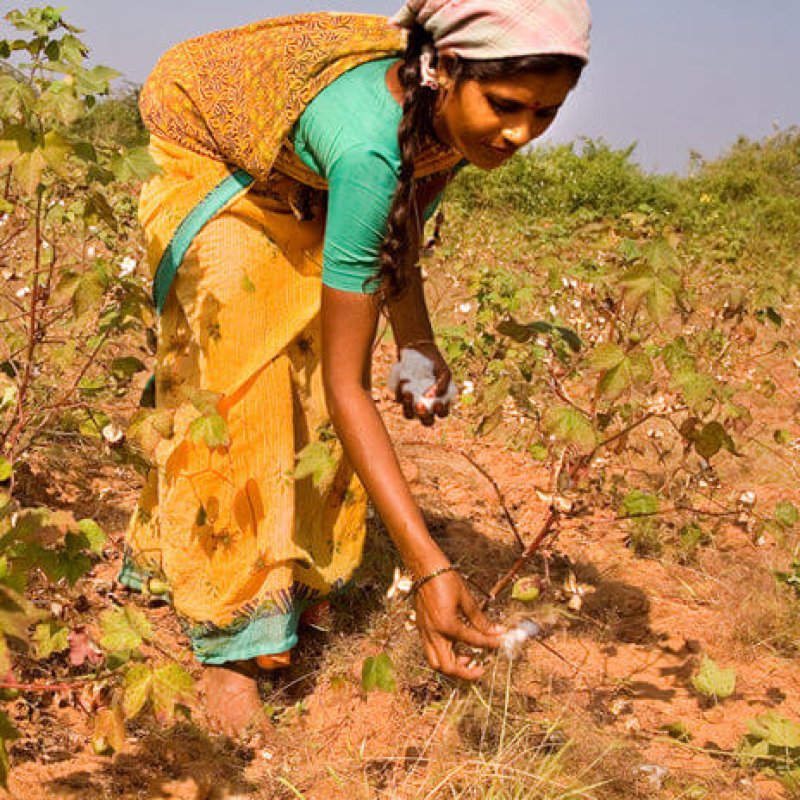
Cotton picking in India e

Editor’s note: GMO critics, most notably philosopher Vandana Shiva (Read her GLP profile here), have long contended that the introduction of Bt insect-resistant cotton in India in the early 2000s sparked an increase in farmer suicides because of the higher cost of seeds — which numerous studies have debunked.

Only an overhaul of India’s farming policy, including addressing the small size of agricultural holdings, will help to stem the epidemic of suicides among farmers that have devastated rural communities, campaigners say.

Tens of thousands of farmers have killed themselves over the past decade as drought in many parts of the country and lower global commodity prices hurt farm incomes.

More than half India’s farming households are in debt, official data showed, owing banks and moneylenders hundreds of millions of rupees, despite loan write-offs by governments.

More than two-thirds of farmers who committed suicide were small and marginal farmers, with less than 2 hectares (5 acres) of land.

The average size of land holdings in rural India has halved over the past two decades, with more than 80 percent of rural households owning less than 1 hectare of land.

Farmers’ groups have also demanded bigger fertilizer subsidies, a minimum support price for produce, easier access to credit and better crop insurance to help improve yields and prevent crop failures.

The GLP aggregated and excerpted this blog/article to reflect the diversity of news, opinion, and analysis. Read full, original post: Bigger land holdings key to preventing farmer suicides in India, activists say

Related Articles

Infographic: Global regulatory and health research agencies on whether glyphosate causes cancer

Infographic: Global regulatory and health research agencies on whether glyphosate causes cancer

Does glyphosate—the world's most heavily-used herbicide—pose serious harm to humans? Is it carcinogenic? Those issues are of both legal and ...

Most Popular

ChatGPT-Image-Sep-17-2026-12_28_43-PM
Vitamin D, omega-3 fish oil and glucosamine supplements could cause brain damage 
ChatGPT-Image-Mar-10-2026-01_39_01-PM
Viewpoint—“Miracle molecule” debunked: Why acemannan supplements don’t work
ChatGPT-Image-Sep-17-2026-10_17_15-AM
Viewpoint: Why are the less intelligent more likely to be conservative—and smarter people more socially liberal?
Screenshot-2026-09-10-at-12.20.19-PM
'Jet fuel didn't melt the steel': 9/11 conspiracy theories debunked
Screenshot-2026-08-12-at-11.31.46-AM
AI is helping develop new vaccines
Screenshot-2026-09-16-at-12.07.47-PM
The heated debate over trans athletes in the WNBA
Screenshot-2026-09-17-at-10.24.54-AM
Viewpoint: Dubious environmental fears: Why the AI buildout is critical to America’s ecological future
Screenshot 2026-09-11 at 12.39
Child-monitoring apps: When the cure is worse than the harm—and how the technology could be tweaked
ChatGPT-Image-Sep-9-2026-02_48_24-PM
Viewpoint: Trump-RFK Jr. report on “Gender Ideology & Left-wing Ideology’ targets LGBTQ community—and science
ChatGPT-Image-Sep-15-2026-12_15_00-PM
Viewpoint: Women, depression and empathy: Explaining the gender gap in views about child-murderer Lindsay Clancy
Screenshot-2026-09-10-at-11.50.46-AM
Did COVID vaccines kill 2,500 service members? RFK Jr. hires an investigator who compares vaccine promoters to Nazi doctors
glp menu logo outlined

Get news on human & agricultural genetics and biotechnology delivered to your inbox.