Drought-tolerant genetically engineered maize poised to help African farmers adapt to changing climate

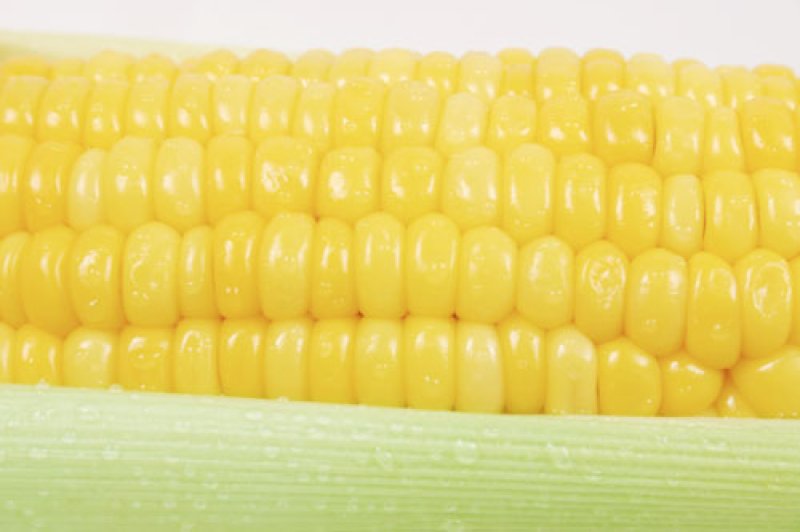
corn
Bob Demers / UA News

[Editor’s note: Mark Lynas is an author and journalist who reports on crop biotechnology around the world.]

Tanzania’s first-ever genetically modified crop โ€” a field trial of drought-tolerant maize intended to benefit small-scale farmers suffering the effects of climate change โ€” is proceeding well and will be harvested imminently, according to scientists overseeing the trial for the Water Efficient Maize for Africa (WEMA) project.

[Dr. Alois Kullaya, technical advisor to the WEMA project in Tanzania, is] confident the added drought gene will perform as intended. However, he cautioned that a definitive conclusion will need to await scientific data produced by the trial.

[The researchers] expect the overall yield to be higher from plants with the drought-tolerant gene than those without the added trait.

Until recently, researchers were unable to conduct field trials in Tanzania because of restrictive legislation termed โ€œstrict liability,โ€ which effectively blocked scientific research.

Genetically modified WEMA hybrids could be in the hands of Tanzania farmers by about 2021, Kullaya said, although he emphasized the nationโ€™s strict liability laws would need to be further amended before environmental release could take place.

The drought-tolerant gene added to the genetically modified maize originates from the soil bacterium Bacillus subtilis. Future GM WEMA hybrids will also carry the insect-resistant Bt gene stacked alongside the drought gene, helping farmers to protect against corn borer attacks without applying insecticides to control the pest.

The GLP aggregated and excerpted this blog/article to reflect the diversity of news, opinion, and analysis. Read full, original post:ย Drought-tolerant maize shows promise in Tanzania

{{ reviewsTotal }}{{ options.labels.singularReviewCountLabel }}
{{ reviewsTotal }}{{ options.labels.pluralReviewCountLabel }}
{{ options.labels.newReviewButton }}
{{ userData.canReview.message }}

Related Articles

Infographic: Global regulatory and health research agencies on whether glyphosate causes cancer

Infographic: Global regulatory and health research agencies on whether glyphosate causes cancer

Does glyphosateโ€”the world's most heavily-used herbicideโ€”pose serious harm to humans? Is it carcinogenic? Those issues are of both legal and ...

Most Popular

Screenshot 2026-05-26 at 10.15
Viewpoint: Double standardโ€”Why does the wellness industry get a free pass while Big Healthcare is treated as morally suspect?
ChatGPT-Image-Jun-4-2026-11_49_36-AM-2
โ€˜You donโ€™t understand Tolkienโ€™: Skeptic Pope trolls tech giants about the exaggerated, risk-less benefits of AI
ChatGPT-Image-Jun-4-2026-01_27_58-PM
Viewpointโ€”N.A.D.+: Why Gwenyth Paltrowโ€™s heralded anti-aging supplement doesnโ€™t work
Screenshot-2026-06-03-at-1.24.46-PM
Challenging anti-GMO disinformation: Why genetically-tweaked crops offer bushels of benefits
Screenshot-2026-06-04-at-12.05.08-PM
Cases of brain inflammation surge as U.S. measles pandemic approaches 2000
Screenshot 2025-07-30 at 10.48
Can gene editing eliminate Down syndrome? Scientists have done it in lab-grown cells
ChatGPT Image May 26, 2026, 08_42_17 AM (1)
Viewpoint: Greenpeace and poison: How environmental advocacy groups rely on compliant (and often ignorant) journalists to spread disinformation and spark litigation
ChatGPT-Image-Mar-10-2026-01_39_01-PM
Viewpointโ€”โ€œMiracle moleculeโ€ debunked: Why acemannan supplements donโ€™t work
downsyndrome_compilation_MID_1
CRISPR breakthrough that can remove the chromosome responsible for Down syndrome raises ethical questions
tick-DNA
GLP podcast: Spread meat allergy with gene-edited ticks? Bioethicists pose vile โ€˜thought experimentโ€™
ChatGPT Image May 26, 2026, 08_21_36 AM
Limiting gender affirming interventions: Trump administration targets Texas even though it already bans youth access

Sorry. No data so far.

glp menu logo outlined

Get news on human & agricultural genetics and biotechnology delivered to your inbox.