This week’s features include: Epigenetically modified humans; epigenetics is not appropriate for safety assessments; and a sham treatment for autism that may make it worse.
“Right now this is not an airplane we can fly. It’s an airplane that’s still in the drawing stage.”
–Ivan Rusyn, toxicologist at Texas A&M University
Engineering better humans
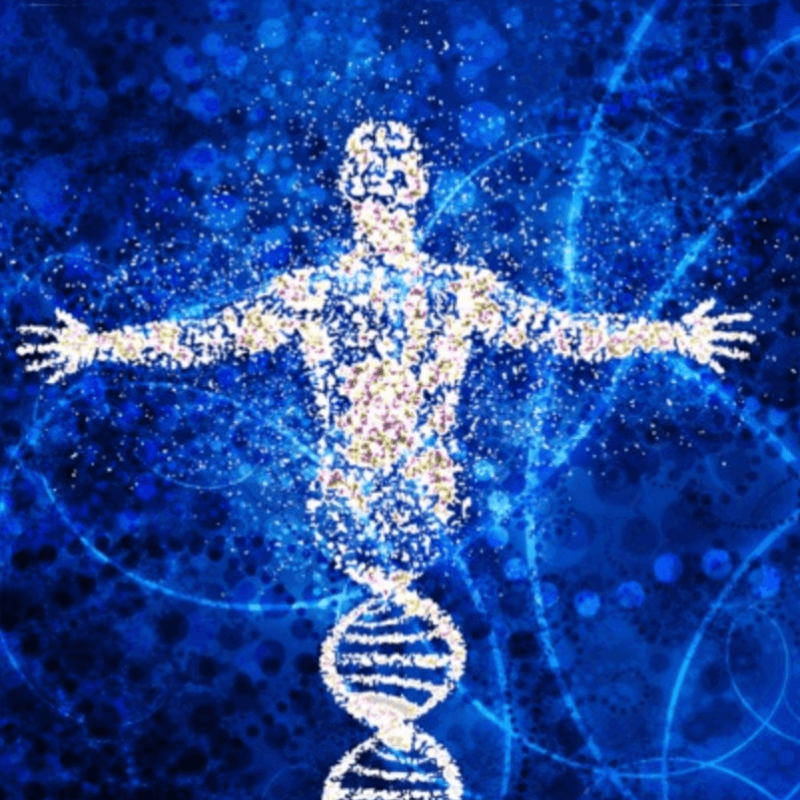
In the movie Limitless, Bradley Cooper’s character becomes super-human by taking a pill that improves his brain’s performance. Science fiction or reality of the future? Many experts predict that in the near future, scientific progress will allow people to increase their intelligence and physique through medical procedures or drugs. Recent advancements in gene editing could allow us to alter embryos to create healthier, stronger and smarter people. But writing at Aeon, Michael Bess, professor of history and European studies at Vanderbilt University in Tennessee, sees another path to human enhancement:
Epigenetic fearmongering in Canada
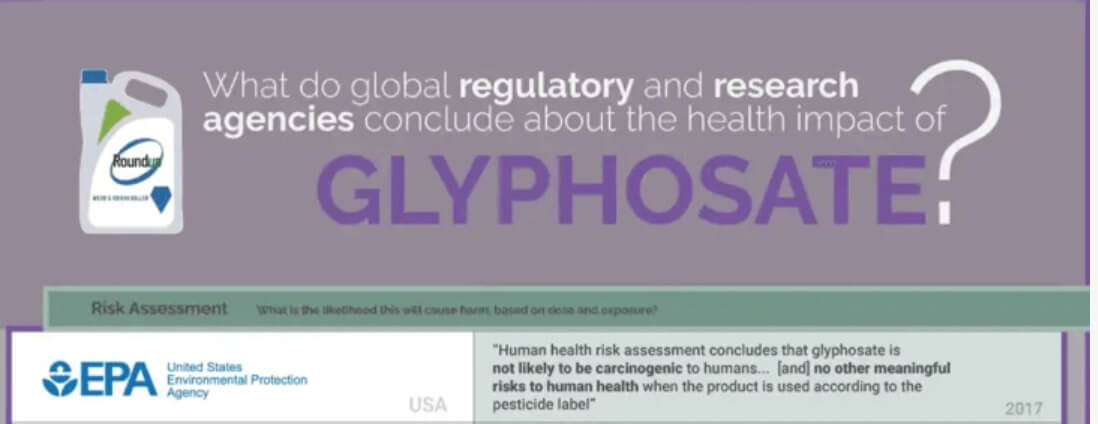
However, these assurances were unacceptable to some, including Warren Porter, molecular and environmental toxicologist at the University of Wisconsin-Madison. Porter, who is on the board of an anti-pesticide NGO, wrote that Canadians should be very concerned about these findings, in part because we don’t know the effects on epigenetics:
Ultra-low doses can have all kinds of biological effects, especially over longer periods of exposure. So when these companies say ‘Oh, there’s no problem,’ the first thing I would ask them is have you looked at the effects on the nervous system, the endocrine system, the immune system, and epigenetics?
So should we, as Porter suggested, be looking at epigenetic effects when it comes to safety assessments of pesticides and other substances? Right now the answer in the scientific and regulatory community is a resounding ‘no.’
In July 2016, the European Food Safety Authority met to discuss this question and concluded that too much is still unknown about epigenetics for the field to be useful in risk assessment. Diane Wray-Cahen of the US Department of Agriculture, who participated in the meeting, said “Will epigenetics add to the current way we analyze the risk of particular hazards in food? We don’t know the answer to that yet.”





In an article posted at Science News in December 2016, writer Tina Hesman Saey extensively covered the literature on this topic and reported that the consensus among experts is that studying epigenetic changes as a part of safety assessments is still far in the future. Saey also explained that at a Toxico-Epigenetics meeting in November 2016, leading researchers and regulators in the field met to discuss this question. However, the overall message was that regulators should not wait for epigenetics to catch up to make current safety decisions.
Ivan Rusyn, toxicologist at Texas A&M University, described the situation to Saey like this: “Right now this is not an airplane we can fly. It’s an airplane that’s still in the drawing stage.”
In this light, it is scientifically irresponsible for Porter — who once claimed that pesticide residues on foods jeopardize our ability to “maintain a highly-ordered technological society” — to argue that scientists should be looking at epigenetic effects from pesticide exposure.
Another fake treatment for autism
According to BuzzFeed News, a registered British autism charity has promoted “dangerous” and “harmful” unlicensed medicines and has made unfounded claims about the risks of vaccines. This shouldn’t be much of a surprise, as even the US president spews nonsense about the disease. But there’s something a little different here: One of treatments may actually make the condition worse.
Autism Trust UK, was promoting and linking to a clinic that offered “vitamin B12 injections for methylation.” According to the clinic (which is run by a naturopath who calls herself Dr. Sonya Doherty), methylation needs to be promoted to stop autism. “Ninety percent of children diagnosed with autism have demonstrated methylation impairment,” she wrote in a post devoid of citations, but full of fake science.
While most of autism’s etiology is genetic, there does appear to be some environmental component which may drive epigenetic changes that enhance or deactivate important genes for neurodevelopment. Kristen Hovet summarized this well for the ELP site. In short, neurotypical and autistic children do have distinct patterns of epigenetic markings on their genes. However, those on the autism spectrum tend to have more methylation and not impairment. Furthermore, more methylation (deactivated genes) is associated with a greater risk for severe forms of the disease.
So even if this treatment did work, it’s doing exactly the opposite of what studies say it should do and thus could be making the condition worse.
In general, never trust any treatment or supplement that “targets methylation.” Methylation is a chemical process in which genes are turned off, usually because a specific cell doesn’t need the gene to function normally — your neurons don’t need the same genetic instructions as those cells in your liver and vice versa. It’s not necessarily a process your body needs to have increased or decreased to be in a healthy state. It’s a reaction that is not inherently good or bad and various diseases can be associated with more or less of it. Real treatments that increase or decrease methylation will do so on a specific gene or region of the genome and in a specific cell type, such as a particular tumor.
This weekly roundup of the latest studies and news in the field of epigenetics originated on our GLP sister site, the Epigenetics Literacy Project
Nicholas Staropoli is the director of the Epigenetics Literacy Project. He has an M.A. in biology from DePaul University and a B.S. in biomedical sciences from Marist College. Follow him on Twitter @NickfrmBoston.