‘Trust, access, and equity’: After billions of doses worldwide, yet another review of COVID vaccine confirms its safety and effectiveness

Credit: Mecklenburg County / Flickr

A comprehensive review of the billions of COVID-19 vaccine doses made with mRNA technology shows that these vaccines are safe and effective.

Vaccine skepticism increased during the COVID-19 pandemic, with some mistrust specifically directed at mRNA vaccines. The global health emergency marked the first time mRNA technology was approved for large-scale use, and people questioned its safety and trustworthiness. 

But the new study, published [on June 30, 2026] in The Lancet, reaffirms that serious adverse events, such as anaphylaxis (a severe allergic reaction) or myocarditis (inflammation of heart muscle), are rare after receiving an mRNA COVID shot. Researchers found that the odds of such medical emergencies were “consistently outweighed by the substantial protection” the vaccines provide against severe disease, hospitalization, and death. That includes among people who are pregnant or immunocompromised.

Mis- and disinformation are distorting science and public policy. Subscribe to our Daily and Weekly Digests for incisive coverage of ‘disruptive’ innovations in AI, agricultural biotechnology, food, chemicals, nuclear energy, vaccines, and other disruptive innovations.

Because mRNA vaccines are faster to produce and easier to customize, the findings have promising implications for influenza, respiratory syncytial virus (RSV), and other infectious diseases, as well as for personalized cancer vaccines and other RNA-based therapeutics.


…

“mRNA vaccines have already changed how we respond to global health threats,” said senior author Manish Sadarangani, DPhil, in a University of British Columbia news release. “With sustained innovation, strong safety monitoring, and a commitment to equitable access, they can play a major role in preventing disease and improving health.”
This is an excerpt. Read the original post here

Related Articles

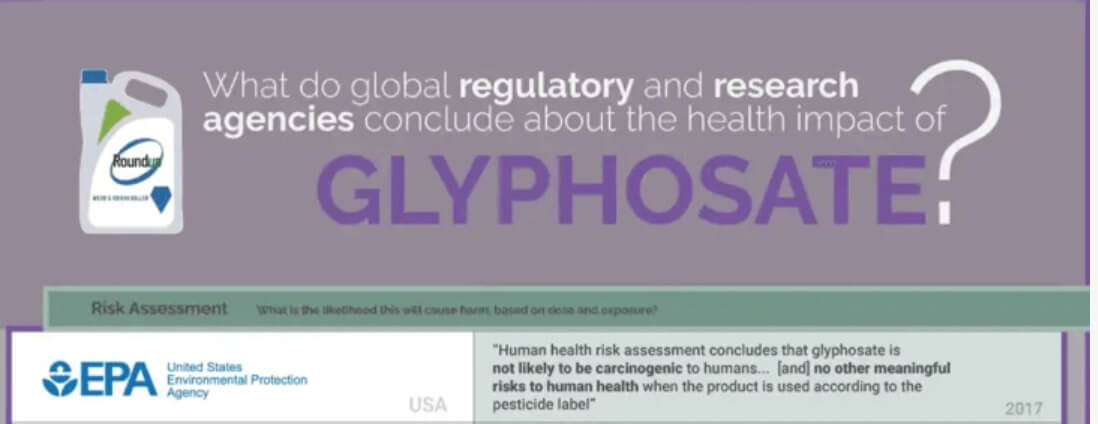
Infographic: Global regulatory and health research agencies on whether glyphosate causes cancer

Infographic: Global regulatory and health research agencies on whether glyphosate causes cancer

Does glyphosate—the world's most heavily-used herbicide—pose serious harm to humans? Is it carcinogenic? Those issues are of both legal and ...

Most Popular

Bayer Crop Circle in Golden Wheat
Making fertilizer from thin air: Bayer’s gene-editing innovation could dramatically cut chemical fertilizer use in growing food
Picture1
Viewpoint: How badly is the U.S. food-safety net fraying? FDA’s bungled handling of the tainted lettuce crisis deepens concerns over cuts to disease tracking and response
ChatGPT-Image-Mar-10-2026-01_39_01-PM
Viewpoint—“Miracle molecule” debunked: Why acemannan supplements don’t work
Glossy Plastic Bag of Tokens and Labels
Viewpoint: How CNN got played by environmental activists pushing a plastics scare and litigation agenda
Screenshot-2026-10-30-at-10.55.54-AM
Longevity scandal: The huckster who validates the ‘oldest people in the world’ claims
Screenshot-2026-11-03-at-12.31.18-PM
Gene editing once viewed with suspicion by UK  farmers, upwards of 90% now open to their sustainability benefits
Reaching Through the Woven Sky
Challenging genetic modification rejectionists: Our evolving food system has relied on science for thousands of years
Neon Genome_ Fetal Dreamscape
The race to genetically engineer babies
Smiling-Woman-Over-Teal-Abstract-Shapes
Viewpoint: RFK Jr.’s latest foray into junk science: Even Kennedy’s hand-picked NIH director balks at appointment of crackpot mental health director
ChatGPT-Image-Sep-2-2026-02_03_32-PM
How much of a problem is AI’s water use?
Screenshot 2026-07-29 at 10.40
The COVID vaccine turbo cancer scare is back. Science still proves it’s wrong.
Screenshot-2026-10-28-at-3.00.44-PM
Viewpoint: Activist attacks on corporations increasingly depend on "attribution" science to target oil companies for global climate change
glp menu logo outlined

Get news on human & agricultural genetics and biotechnology delivered to your inbox.