Pediatrician debunks claims that GMOs and chemicals used with them are bad for the environment

Screen Shot at PM

[Editor’s note: Emiliano Tatar is a pediatrician at the Einstein Healthcare Network Roxborough Plaza. The following is an interview with Michelle Miller, known on social media as the “Farm Babe”. She co-runs a family farm in Iowa and is a public speaker on agricultural topics and controversies.]

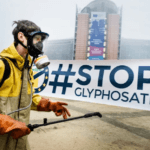
Do GMOs pose a threat to the health of farm lands and the environment? What about glyphosate?

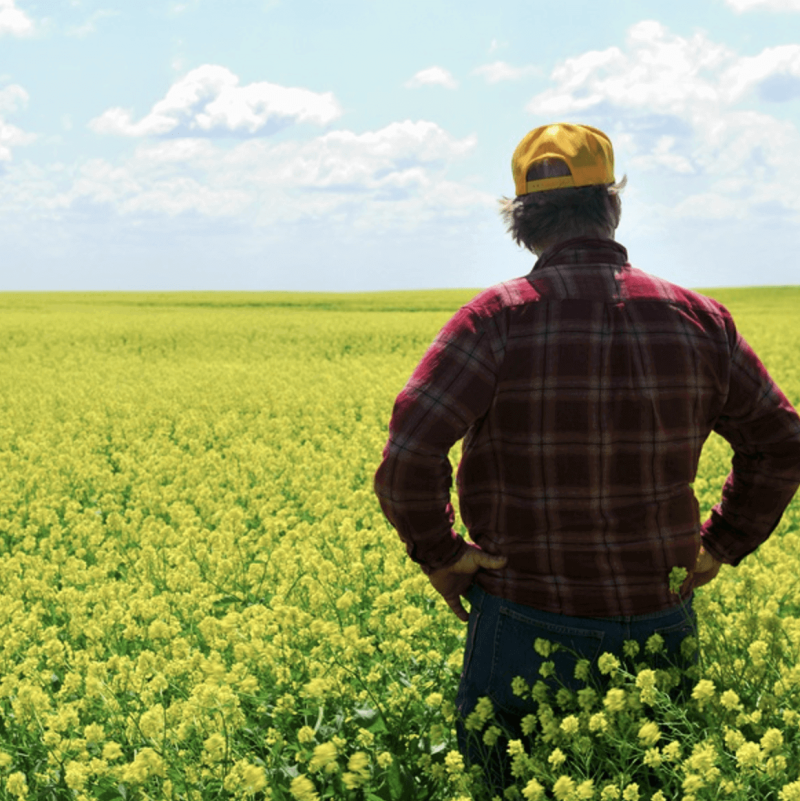
Absolutely NOT! It’s always important to remember that the dose makes the poison. Glyphosate is actually the most non-toxic herbicide we have ever had access to which is why it’s so popular. It is less toxic than table salt, baking soda, or caffeine. We spray it two days out of the year and at a very minimal dose. GMOs allow us to eliminate insecticide sprays all together, which is helpful for beneficial insects like bees and butterflies. It allows us to grow more on less land, which is critical to feed a growing planet.

My take away: Understanding the technology and how farmers use it to be good stewards of their lands can go a long way to alleviate concerns. … [E]ven a short review of the facts … reveals that GM crops are, if anything, beneficial to modern farming. In addition, as we saw in the previous installment, there has never, even once been a case of harm to human health from GM foods.

Based on these facts, parents should feel safe feeding their children these foods.

The GLP aggregated and excerpted this blog/article to reflect the diversity of news, opinion, and analysis. Read full, original post: Is GMO farming harmful to the environment?


{{ reviewsTotal }}{{ options.labels.singularReviewCountLabel }}
{{ reviewsTotal }}{{ options.labels.pluralReviewCountLabel }}
{{ options.labels.newReviewButton }}
{{ userData.canReview.message }}

Related Articles

Infographic: Global regulatory and health research agencies on whether glyphosate causes cancer

Infographic: Global regulatory and health research agencies on whether glyphosate causes cancer

Does glyphosate—the world's most heavily-used herbicide—pose serious harm to humans? Is it carcinogenic? Those issues are of both legal and ...

Most Popular

Screenshot-2026-03-13-at-12.14.04-PM
The FDA wants to make many popular prescription drugs OTC—a great idea. Here’s why it’s unlikely to happen
Screenshot-2026-04-20-at-2.26.27-PM
Viewpoint — Food-fear world: The latest activist scientists campaign: Cancer-causing additives
Screenshot-2026-05-04-at-12.54.32-PM
How Utah became the country’s supplement capital  — and a haven for unregulated, ineffective and fake products
Screenshot-PM-24
Viewpoint: The herbicide glyphosate isn’t perfect. Banning it would be far worse.
images
The never-ending GMO debate: Pros and cons
Screenshot-2026-05-01-at-11.56.24-AM
‘Science moves forward when people are willing to think differently’: Memories of DNA maverick Craig Venter
Screenshot-2026-04-03-at-11.15.51-AM
Paraben panic: How a flawed study, media hype, and chemophobia convinced the public of the danger of one of the safest classes of preservatives
Screenshot-2026-04-30-at-2.19.37-PM
5 myths about summer dehydration that could damage your health — or even kill you
bigstock opioids on chalkboard with rol
GLP podcast: 'Safe injection sites': enabling drug addiction or saving lives?
79d03212-2508-45d0-b427-8e9743ff6432
Viewpoint: The Casey Means hustle—Wellness woo opportunism dressed up as medical wisdom
ChatGPT-Image-May-1-2026-02_20_13-PM
How RFK, Jr.’s false vaccine claims are holding up $600 million to fight diseases in poor countries
glp menu logo outlined

Get news on human & agricultural genetics and biotechnology delivered to your inbox.