Consumption of soy milk and herbicide glyphosate may alter your sperm? Horticulturist Kevin Folta says not so fast

x

[Editor’s note: Kevin Folta is a molecular geneticist and chair of the horticultural sciences department at the University of Florida.]

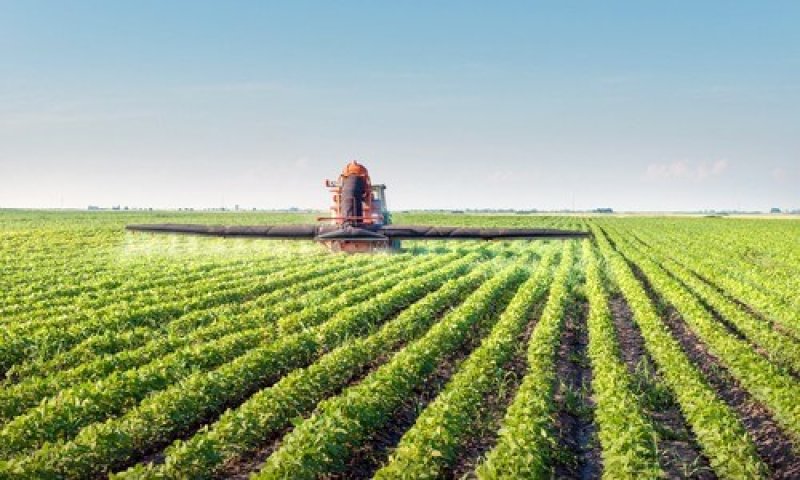
Carey Gillam [‎Research Director at US Right to Know] posted a link on Twitter highlighting a newly-published article. The article comes from a team of Brazilian scientists that fed developing male rats massive amounts of soymilk, and then massive amounts of soy milk spiked with gigantic doses of herbicide (not just glyphosate). They then analyzed factors potentially related to reproductive toxicity.
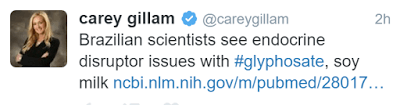
glyphosate

The referenced work is Nardi et al. 2017….

To make this relevant, I’m ~100 kg. To achieve the amounts used in this this experiment I’d have to drink a liter of soy milk and just under a half-cup of herbicide a day, for 35 days.

My conclusion: When you poison pubescent, developing male rats with isoflavones (a type of phytoestrogen) you screw up their development. Then when you add massive doses of herbicides for 23 days you can find differences in testosterone and sperm morphology. It shows that sick animals fed herbicides show physiological differences. Duh.

But the authors don’t prefer the conservative interpretation that I would draw. This sensational conclusion omits the fact that these were rats hammered with herbicides and soymilk, yet makes it seem like relevant doses from normal exposure.

But it is a great conclusion for Gillam, paid by the anti-GMO industry, who can now cherry pick the scare out of the article to make it seem like food-based exposures of glyphosate are dangerous.

The GLP aggregated and excerpted this blog/article to reflect the diversity of news, opinion, and analysis. Read full, original post: Massive Consumption of Soy Milk and Herbicides for Three Weeks Might Make Your Sperm Weird

{{ reviewsTotal }}{{ options.labels.singularReviewCountLabel }}
{{ reviewsTotal }}{{ options.labels.pluralReviewCountLabel }}
{{ options.labels.newReviewButton }}
{{ userData.canReview.message }}

Related Articles

Infographic: Global regulatory and health research agencies on whether glyphosate causes cancer

Infographic: Global regulatory and health research agencies on whether glyphosate causes cancer

Does glyphosate—the world's most heavily-used herbicide—pose serious harm to humans? Is it carcinogenic? Those issues are of both legal and ...

Most Popular

Screenshot-2026-04-20-at-2.26.27-PM
Viewpoint — Food-fear world: The latest activist scientists campaign: Cancer-causing additives
Screenshot-2026-05-04-at-12.54.32-PM
How Utah became the country’s supplement capital  — and a haven for unregulated, ineffective and fake products
Screenshot-PM-24
Viewpoint: The herbicide glyphosate isn’t perfect. Banning it would be far worse.
Screenshot-2026-03-13-at-12.14.04-PM
The FDA wants to make many popular prescription drugs OTC—a great idea. Here’s why it’s unlikely to happen
Screenshot-2026-05-01-at-11.56.24-AM
‘Science moves forward when people are willing to think differently’: Memories of DNA maverick Craig Venter
Screenshot-2026-04-30-at-2.19.37-PM
5 myths about summer dehydration that could damage your health — or even kill you
ChatGPT-Image-Mar-27-2026-11_27_05-AM
The myths of “process”: What science says about the “dangers’ of synthetic products and ultra-processed foods
bigstock opioids on chalkboard with rol
GLP podcast: 'Safe injection sites': enabling drug addiction or saving lives?
glp menu logo outlined

Get news on human & agricultural genetics and biotechnology delivered to your inbox.