Chinese scientists repair viable human embryos with CRISPR for first time

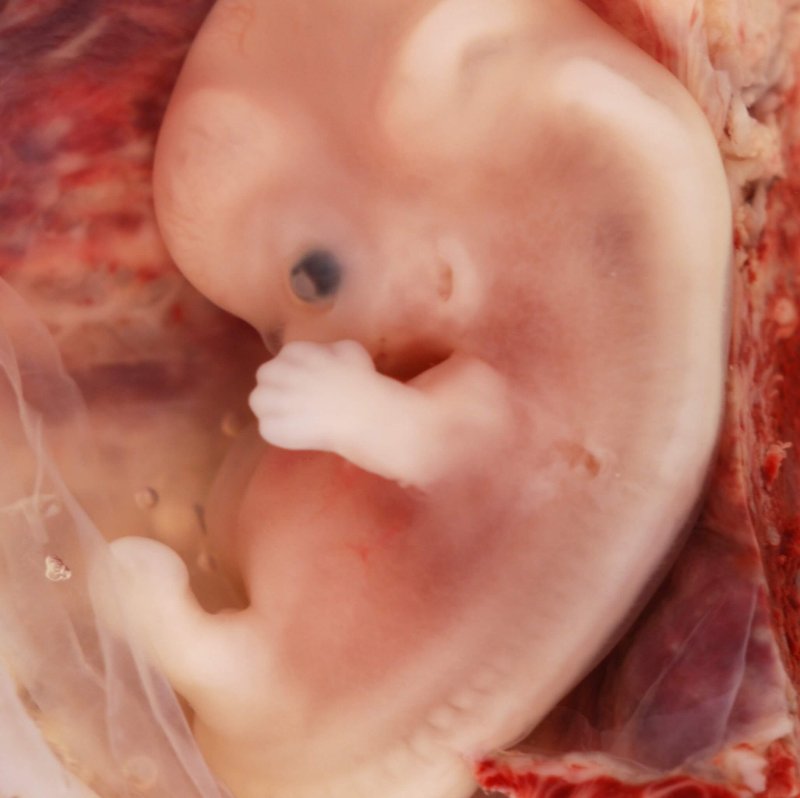
Week Human Embryo from Ectopic Pregnancy

A team in China has corrected genetic mutations in at least some of the cells in three normal human embryos using the CRISPR genome editing technique. The latest study is the first to describe the results of using CRISPR in viable human embryos….

Until now, results have only been published from experiments in which the CRISPR technique was used in abnormal embryos, made when two sperm fertilize the same egg…However, these experiments may not have given an accurate indication of how well the technique would work in healthier embryos.

The Chinese team behind the latest study…first carried out experiments with abnormal embryos, and found the repair rate was very low. But they had more success when they tried to repair mutations in normal embryos derived from immature eggs donated by people undergoing IVF.

While firm conclusions cannot be drawn based on just six embryos, these results are encouraging as they suggest CRISPR gene repair is more efficient in normal cells. “It does look more promising than previous papers,” says Fredrik Lanner of the Karolinska Institute in Sweden, whose team has begun using CRISPR to disable genes in human embryos to study embryonic development.

[The study can be found here.]

The GLP aggregated and excerpted this blog/article to reflect the diversity of news, opinion, and analysis. Read full, original post: First results of CRISPR gene editing of normal embryos released

{{ reviewsTotal }}{{ options.labels.singularReviewCountLabel }}
{{ reviewsTotal }}{{ options.labels.pluralReviewCountLabel }}
{{ options.labels.newReviewButton }}
{{ userData.canReview.message }}

Related Articles

Infographic: Global regulatory and health research agencies on whether glyphosate causes cancer

Infographic: Global regulatory and health research agencies on whether glyphosate causes cancer

Does glyphosate—the world's most heavily-used herbicide—pose serious harm to humans? Is it carcinogenic? Those issues are of both legal and ...

Most Popular

ChatGPT-Image-Jun-15-2026-11_00_13-AM-2
Glucosamine alert: Alzheimer’s progresses faster among those taking the popular supplement
Screen Shot at AM
Facts & Fallacies Podcast: Right-wing politics bad for your health? Separating speculation from science
ChatGPT-Image-Jun-9-2026-01_11_37-PM
Turmeric supplements: More risks than benefits
ChatGPT-Image-Jun-15-2026-12_13_41-PM
Viewpoint: Behind the effort to re-purpose the tobacco attack strategy to fight ultra-processed foods
ChatGPT-Image-Jun-3-2026-04_29_13-PM
Viewpoint: While unvaccinated children are dying overseas, Congress challenges Trump and Kennedy’s block on aid
Screenshot-2026-06-12-at-2.10.55-PM
Physician warns online statin myths delay care and raise heart risk
Screenshot-2026-06-14-at-9.14.26-AM
‘Humanitarian catastrophe’: Trump’s USAID shutdown could help drive nearly 23 million deaths — including 5.4 million children — by 2030, Lancet study warns
ChatGPT-Image-Mar-10-2026-01_39_01-PM
Viewpoint—“Miracle molecule” debunked: Why acemannan supplements don’t work
ChatGPT-Image-Jun-14-2026-09_41_44-AM-2
Viewpoint—‘The gleeful efficiency of an arsonist’: Administration’s health and science research cuts are ‘sabotaging’ America’s future
ChatGPT-Image-Jun-15-2026-10_42_06-AM
Viewpoint: ‘Steroid Olympics’ marketing stunt: ‘It seemed less like a sporting event and more like a loss leader to peddle testosterone injections, GLP-1s, and peptides’
ChatGPT-Image-Jun-11-2026-01_15_03-PM
Selective Pressure, Selective Silence
Screenshot-2026-06-05-at-2.12.30-PM
Some plants can poison you. So how did humans figure out what is safe to eat?
glp menu logo outlined

Get news on human & agricultural genetics and biotechnology delivered to your inbox.