Biodiversity on the farm: It’s more complicated than you might think

Spare Share e

[Editor’s note: William Price is a statistician in the College of Agricultural and Life Sciences at the University of Idaho. Andrew Kniss is a professor of weed ecology and management in the Department of Plant Sciences at the University of Wyoming.]

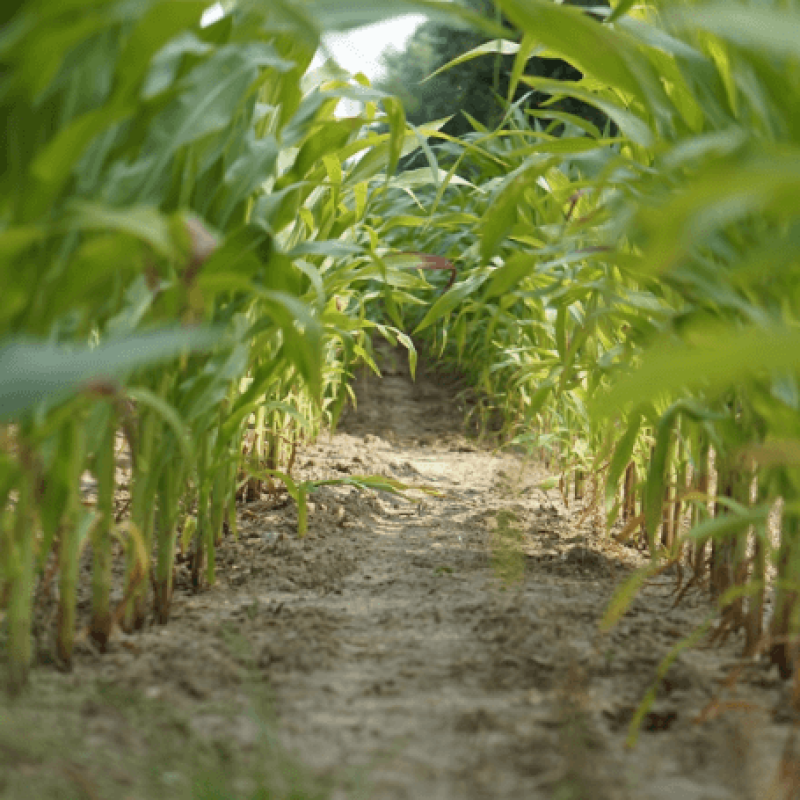
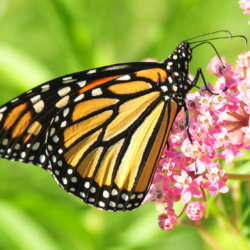
Some organisms, like the European honey bee and some earthworm species, have become somewhat iconic species and are used—in the media if not in the scientific literature—as symbols of diversity in agriculture. But these species are, in fact, introduced to North America and can displace native species or cause environmental disruption outside the agricultural realm. Other species, like the milkweed plants relied upon by the beloved monarch butterfly, may actually be favored by agricultural practices. Some have posited that milkweed populations might even be much greater as a result of agricultural practices than could have been supported by the pre-agricultural native ecosystem. Similarly, there are places in Europe where land has been cultivated for so long that the agroecosystem must be protected to maintain the wildlife that exists in those habitats. Until we have a better understanding of the composition and interaction of agricultural bio-communities and those of the surrounding environment, it will be difficult to define the ideal balance between concepts such as land sharing and land sparing.

The GLP aggregated and excerpted this blog/article to reflect the diversity of news, opinion, and analysis. Read full, original post: More than Share-Spare Philosophies Needed: A Response to Breakthrough’s Essay on Wildlife and Farmland
For more background on the Genetic Literacy Project, read GLP on Wikipedia

{{ reviewsTotal }}{{ options.labels.singularReviewCountLabel }}
{{ reviewsTotal }}{{ options.labels.pluralReviewCountLabel }}
{{ options.labels.newReviewButton }}
{{ userData.canReview.message }}

Related Articles

Infographic: Global regulatory and health research agencies on whether glyphosate causes cancer

Infographic: Global regulatory and health research agencies on whether glyphosate causes cancer

Does glyphosate—the world's most heavily-used herbicide—pose serious harm to humans? Is it carcinogenic? Those issues are of both legal and ...

Most Popular

Screenshot-2026-04-13-at-1.39.26-PM
Viewpoint: ‘Safer for children?’ Stonyfield yogurt under fire for deceptive organic marketing
ChatGPT-Image-May-7-2026-12_16_37-PM-2
Viewpoint: Are cancer rates ‘skyrocketing’ as RFK, Jr. and MAHA claim? The evidence says mostly the opposite
Screenshot-2026-04-22-at-10.46.29-AM
Viewpoint: How to counter science disinformation? Science journalist offers 12 practical tips
Picture1-14
When superbugs threaten vulnerable children: Can AI help solve antibiotic resistance?
Screenshot-2026-04-23-at-11.00.36-AM
Regulators' dilemma: Thalidomide, Metformin, and the cost of getting drug approvals wrong
Picture1-1
Cooling the planet with balloons: Could a geoengineering gamble slow global warming?
ChatGPT-Image-May-12-2026-08_39_41-PM
GLP podcast: Big Pharma, Big Ag, Big Food—health harming industries or life-saving innovators?
bigstock opioids on chalkboard with rol
GLP podcast: 'Safe injection sites': enabling drug addiction or saving lives?
png-pill-omega-Supp-fish-oil
Millions take omega-3 fish oil for brain health. New research suggests it may do the opposite.

Sorry. No data so far.

glp menu logo outlined

Get news on human & agricultural genetics and biotechnology delivered to your inbox.