How does promiscuity in females impact evolution?

promiscuity

Darwin’s original ideas about sexual selection were based largely on males competing for mates, either by fighting among themselves or by showing off fancy ornaments to attract choosy females. And it is indeed likely that sexual selection led to the evolution of stags’ antlers and male peacocks’ tails.

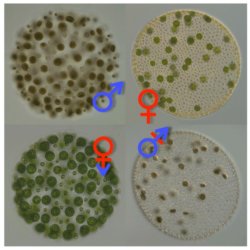
But when females are promiscuous, sexual selection gets even more interesting. If a female mates with different males in quick succession then the sperm of those males compete for the female’s eggs. This is one of the reasons that the males of many species have evolved to produce large numbers of sperm: they’re tickets in the fertilisation raffle.

Does more sex mean more species? Broadly speaking the view has been yes. More sex equals more selection, which equals rapid evolution and so more species.

Some past studies support these ideas and find female promiscuity is associated with higher speciation rates, although other studies find little evidence for this. However, a new study published in Evolution suggests the exact opposite. The data shows that in shorebirds, there are more subspecies (races) among monogamous species than among more promiscuous species. So what’s going on here?
 

[Read the original source here]

The GLP aggregated and excerpted this blog/article to reflect the diversity of news, opinion, and analysis. Read full, original post: What Is Promiscuity’s Effect on Evolution?

For more background on the Genetic Literacy Project, read GLP on Wikipedia

{{ reviewsTotal }}{{ options.labels.singularReviewCountLabel }}
{{ reviewsTotal }}{{ options.labels.pluralReviewCountLabel }}
{{ options.labels.newReviewButton }}
{{ userData.canReview.message }}

Related Articles

Infographic: Global regulatory and health research agencies on whether glyphosate causes cancer

Infographic: Global regulatory and health research agencies on whether glyphosate causes cancer

Does glyphosate—the world's most heavily-used herbicide—pose serious harm to humans? Is it carcinogenic? Those issues are of both legal and ...

Most Popular

ChatGPT-Image-Jun-21-2026-02_33_08-PM
Texas Air Force base flu outbreak soars to over 220 cases, and one soldier has died after Secretary Hegseth scrapped mandatory military flu shots 
ChatGPT-Image-Jun-19-2026-04_11_20-PM
Daubert for Dummies—Scientific Reliability in U.S. Courts: Daubert, Rule 702, and Made-for-Litigation Evidence
ChatGPT-Image-Jun-13-2026-11_51_39-AM
Viewpoint: COVID lab leak? Misguided backers of the lab leak theory refuse to give up
ChatGPT-Image-Jun-15-2026-11_51_00-AM-4
Viewpoint: As the International Association for Research on Cancer loses influence, activists and trial lawyers scramble to protect a lucrative playbook
screenshot pm
Which is better for building healthy farm soil? Organic offers no special edge.
wuhan institute of virology main entrance
​​COVID lab leak? Making a case that the Wuhan market origins theory is wrong
ChatGPT-Image-Jun-19-2026-05_21_35-PM
The American Medical Association doctors declare war on RFK, Jr.’s attack on safe vaccines
ChatGPT-Image-Jun-9-2026-01_11_37-PM
Turmeric supplements: More risks than benefits
ChatGPT-Image-Mar-10-2026-01_39_01-PM
Viewpoint—“Miracle molecule” debunked: Why acemannan supplements don’t work
Screenshot-2026-06-18-at-11.41.51-AM
Viewpoint—Protecting baloney science: Far right senators move to protect the phony homeopathy industry
Screenshot-2026-06-19-at-4.53.19-PM
Viewpoint: How the Trump administration is thwarting the will of Congress and starving American science
Screenshot-2026-06-17-at-9.44.03-AM
Viewpoint: Embryos are becoming the newest battleground of love, loss, and legal uncertainty
Screenshot-2026-06-05-at-2.12.30-PM
Some plants can poison you. So how did humans figure out what is safe to eat?
ChatGPT-Image-Jun-11-2026-01_15_03-PM
Selective Pressure, Selective Silence
glp menu logo outlined

Get news on human & agricultural genetics and biotechnology delivered to your inbox.