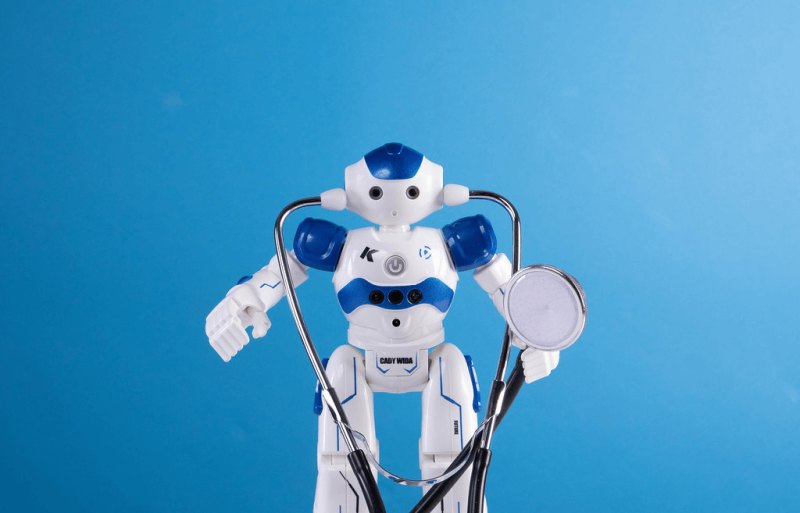

Today, chatbots can only legally offer medical guidance with a disclaimer attached: Neither the U.S. Food and Drug Administration, nor any state licensing board, allows a fully autonomous AI to practice medicine.
But Trump officials — citing concerns about the prevalence of chronic disease and issues such as the shortage of rural doctors — are driving a significant shift.
…
Officials are taking steps to integrate AI into the health care system. The administration plans to offer more than $50 million in research awards to developers of conversational AI software that can deliver cardiovascular care, so that when a person calls a medical provider with symptoms of a heart attack, a chatbot might field the call. (Anthropic, Amazon Web Services, and several top-tier universities are providing support to the program.)
Entrepreneurs are newly emboldened to argue that AI can perform medicine independently ….



…
But this idea is on a collision course with the medical profession itself. Many doctors argue that the incursion of AI chatbots into medical care will introduce a range of new problems to an already-overburdened system, from misdiagnoses to eroding the medical judgment of clinicians.