Patients with ALS, other neurological disorders look to gene-silencing drug for hope

alspatient

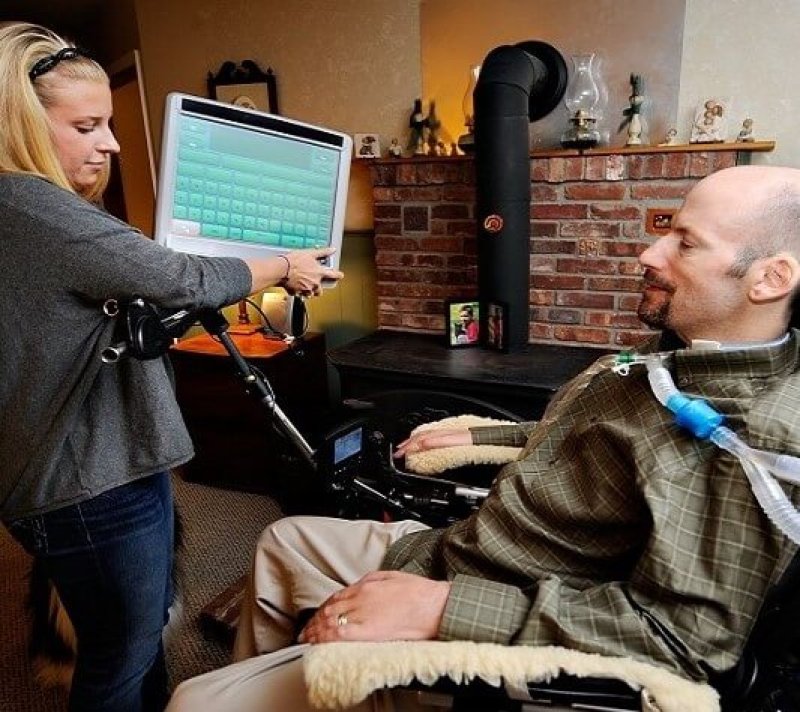
Two recent mouse studies, led by investigators at the University of Utah and Stanford University, describe how a new antisense oligonucleotide drug was successful in reducing symptoms for both spinocerebellar ataxia type 2 (SCA2) and amyotrophic lateral sclerosis (ALS).

In the SCA2 study, Dr. Stefan Pulst, M.D., professor and chair of neurology at the University of Utah, and his team discovered that they could reduce problems associated with SCA2 by injecting mouse brains with a drug programmed to silence the ataxin 2 gene. In the accompanying study, investigators described that injections of the same type of drug into the brains of mice prevented early death and neurological problems associated with ALS, a paralyzing and often fatal disorder.

“Surprisingly, the ataxin 2 gene may act as a master key to unlocking treatments for ALS and other neurological disorders,” noted senior investigator on the ALS study Aaron Gitler, Ph.D., associate professor at Stanford University.

Dr. Gitler’s team used different mice to test the idea of combating ALS by silencing ataxin 2…The mice rapidly develop problems with walking and die early—recapitulating many of the associated symptoms of ALS patients.

[Read the original studies here and here (behind paywall)]

The GLP aggregated and excerpted this blog/article to reflect the diversity of news, opinion, and analysis. Read full, original post: Gene Silencing Drug Holds Potential to Treat Fatal Neurological Conditions

For more background on the Genetic Literacy Project, read GLP on Wikipedia

{{ reviewsTotal }}{{ options.labels.singularReviewCountLabel }}
{{ reviewsTotal }}{{ options.labels.pluralReviewCountLabel }}
{{ options.labels.newReviewButton }}
{{ userData.canReview.message }}

Related Articles

Infographic: Global regulatory and health research agencies on whether glyphosate causes cancer

Infographic: Global regulatory and health research agencies on whether glyphosate causes cancer

Does glyphosate—the world's most heavily-used herbicide—pose serious harm to humans? Is it carcinogenic? Those issues are of both legal and ...

Most Popular

Screenshot-2026-06-05-at-2.12.30-PM
Some plants can poison you. So how did humans figure out what is safe to eat?
Credit: ACSH
Viewpoint: Who and what’s to blame for the surge in vaccine-preventable diseases?
Organic-Produce
Viewpoint: Why you should ignore organic food advocates’ advice to avoid ‘pesticide soaked’ conventional fruits and vegetables
ChatGPT-Image-Jun-5-2026-01_17_48-PM
GLP-1 weight-loss drugs may reshape our desires and emotions
ChatGPT-Image-Mar-10-2026-01_39_01-PM
Viewpoint—“Miracle molecule” debunked: Why acemannan supplements don’t work
Screenshot-2026-06-05-at-11.12.44-AM
‘Protecting religious liberty and parental authority’: Challenging expert guidance, Trump signs off on Kennedy’s gutting of childhood vaccine schedule
Screenshot-2026-06-04-at-12.05.08-PM
Cases of brain inflammation surge as U.S. measles pandemic approaches 2000
Screenshot 2026-05-26 at 10.15
Viewpoint: Double standard—Why does the wellness industry get a free pass while Big Healthcare is treated as morally suspect?
Screenshot 2026-06-05 at 12.14
‘Nicotine-free generation’: Should the U.S. emulate Britain and ban all nicotine products, from cigarettes to vapes?
ChatGPT-Image-May-26-2026-07_51_21-AM-2
Viewpoint: There are more than 1,000 chemicals in a cup of coffee—including many substances that can cause cancer. Why isn’t it banned?
Picture1
Sounds we can’t hear — the hidden planetary signals behind science, fear, and misinformation
ChatGPT-Image-Jun-4-2026-11_49_36-AM-2
‘You don’t understand Tolkien’: Skeptic Pope trolls tech giants about the exaggerated, risk-less benefits of AI
edb7f6d7-2370-418f-9578-74e29678e35c
Facts & Fallacies Podcast: Nicotine vaping—public health miracle, or risk to children? Professor Cliff Douglas
glp menu logo outlined

Get news on human & agricultural genetics and biotechnology delivered to your inbox.