EU food safety chief: Critics of glyphosate safety finding are ‘playing politics’, undermining science

ffdsagfdsgd

Politicians who attack the EU agency that ruled the weedkiller glyphosate probably does not cause cancer are in danger of undermining the effectiveness of a body that is key to keeping Europeans safe, its chief warned.

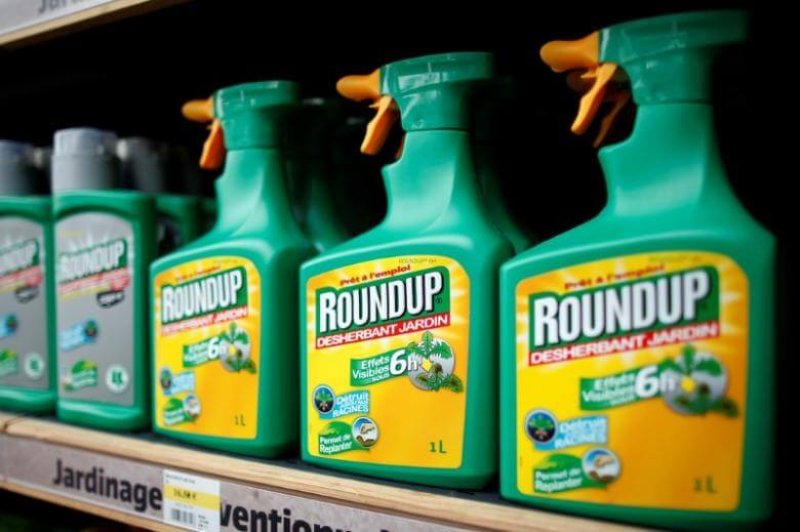
Bernhard Url, executive director of the European Food Safety Authority (EFSA), said his agency is facing unprecedented criticism after concluding in November 2015 that glyphosate – one of the world’s most widely used pesticides and an ingredient in Monsanto’s big seller Roundup – was “unlikely to pose a carcinogenic hazard to humans”.

Attempts to discredit his agency over its assessment were “unacceptable and short-sighted”, he told Reuters in a rare interview, accusing his critics of undermining science to pursue a “political agenda”.

Screen Shot at PM
Bernhard Url

“If political actors discredit scientific organisations because they don’t like the outcome in one out of 100 cases, they diminish the reputation of an organisation that they as policymakers will need to rely on in future,” he said. “From a political perspective it’s very unwise”.

Opposition in the European Union has been driven by the European Parliament’s Greens-European Free Alliance and by others, including Greenpeace and a group of scientists led by Christopher Portier from the U.S.-based non-governmental organisation, the Environmental Defense Fund.

The GLP aggregated and excerpted this blog/article to reflect the diversity of news, opinion, and analysis. Read full, original post: Clash of science and politics “dangerous”-EU food safety chief

For more background on the Genetic Literacy Project, read GLP on Wikipedia

Related Articles

Infographic: Global regulatory and health research agencies on whether glyphosate causes cancer

Infographic: Global regulatory and health research agencies on whether glyphosate causes cancer

Does glyphosate—the world's most heavily-used herbicide—pose serious harm to humans? Is it carcinogenic? Those issues are of both legal and ...

Most Popular

Picture1
Hiroshima at 81: America’s new nuclear bomb, a buried Iranian target, and a question no one wants to ask
ChatGPT-Image-Mar-10-2026-01_39_01-PM
Viewpoint—“Miracle molecule” debunked: Why acemannan supplements don’t work
ChatGPT-Image-Aug-4-2026-10_15_14-AM
Viewpoint—A hard look at the Fauci diaries: Do they change what we know about COVID’s origins?
png livestock cow cattle a
Consumer skepticism about gene-edited milk is neither fixed nor particularly high—and falls even more if it’s priced lower
ChatGPT-Image-Jul-31-2026-07_35_35-AM
Wikipedia has assembled an informative list of fake news websites from across the ideological spectrum
Screenshot-2026-07-31-at-10.52.03-AM
Love sweets and fatty foods? You can blame your genes, but there are ways to quell the obsessions
Screenshot-2026-08-03-at-2.25.49-PM
As measles vaccination rates collapse, scientists push for treatments long considered unnecessary
ChatGPT Image Jul 29, 2026, 09_08_15 AM 2
The retreat of environmental extremism: Why activist NGOs are losing favor
Screenshot-2026-08-03-at-2.15.16-PM
Viewpoint: Trump’s relaxed controls on supplying China with microchips could undermine U.S. AI dominance
ChatGPT Image Jul 29, 2026, 10_17_59 AM
Viewpoint: What does it mean when critics of conventional agriculture say many fruits and vegetables are “linked” to pesticide poisoning?
Screenshot-2026-07-17-at-1.34.59-PM
Poll: Vaccine hesitancy soars when patients distrust health providers and turn to social media
ChatGPT-Image-Aug-4-2026-09_31_50-AM-2
Viewpoint: Could the U.S. become dependent on China to develop critical new genetic and drug therapies?
ChatGPT-Image-Aug-4-2026-12_42_58-PM
Viewpoint: Fact-checking CNN interview with RFK, Jr. underscores the depth of his disinformation delusions
glp menu logo outlined

Get news on human & agricultural genetics and biotechnology delivered to your inbox.