Spider silk from plants? GMO tobacco could provide new generation of tough, lightweight clothing

d d ed f fe c d d be bcbb f f

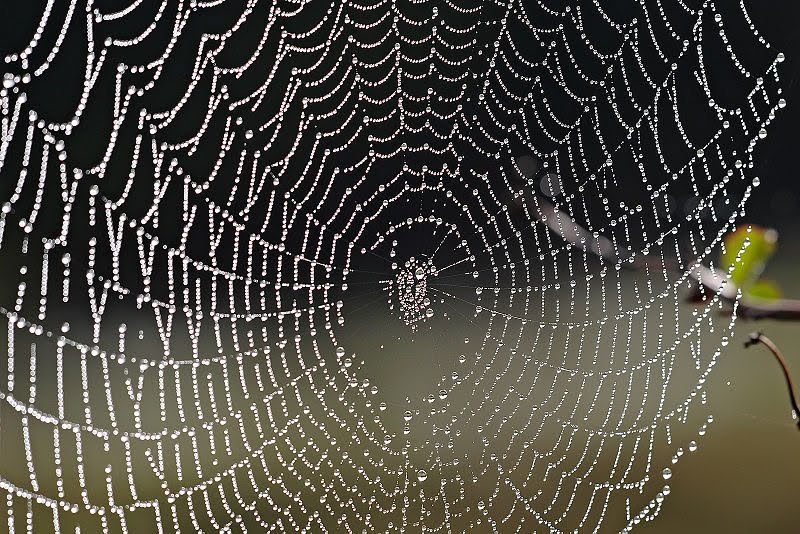
Scientists have revealed they can generate the fine but strong threads used by spiders to make their webs by growing it in genetically modified tobacco plants.

They have developed a method of purifying the silk from the plants and then spinning it into long threads several metres long.

Unlike traditional silk from silkworms, the threads used in spiders’ webs cannot be farmed on a mass scale as the arachnids are highly territorial and tend to attack each other if kept in close quarters.

Fashion designers have previously attempted to make clothing from spider silk, but it can take years to gather enough to weave a length of cloth.

The new technique, however, raises the prospect of being able to grow and collect spider silk from plants in much the same way as common textile materials like cotton.

The scientists at Clemson University in South Carolina who developed the technique say it could allow large quantities of spider silk to be produced for use in clothing.

The researchers … introduced genes from the golden orb web spider Nephila clavipes into tobacco plants.

[Read the full study here (behind paywall)]

The GLP aggregated and excerpted this blog/article to reflect the diversity of news, opinion, and analysis. Read full, original post: The ultimate fashion spin-off: Scientists discover way to generate spider’s silk from plants that could lead to new forms of clothing

For more background on the Genetic Literacy Project, read GLP on Wikipedia

{{ reviewsTotal }}{{ options.labels.singularReviewCountLabel }}
{{ reviewsTotal }}{{ options.labels.pluralReviewCountLabel }}
{{ options.labels.newReviewButton }}
{{ userData.canReview.message }}

Related Articles

Infographic: Global regulatory and health research agencies on whether glyphosate causes cancer

Infographic: Global regulatory and health research agencies on whether glyphosate causes cancer

Does glyphosate—the world's most heavily-used herbicide—pose serious harm to humans? Is it carcinogenic? Those issues are of both legal and ...

Most Popular

d-b
Blocked arteries, kidney stones, nausea, constipation, fatigue: Long list of health problems caused by too much vitamin D 
circular-bioeconomy-should-focus-on-sustainable-wellbeing
GLP podcast: What's wrong with 'doomsday' environmentalism? It's false.
Screenshot-PM-24
Viewpoint: The herbicide glyphosate isn’t perfect. Banning it would be far worse.
ChatGPT-Image-Feb-16-2026-01_04_32-PM
Raw milk myth wake-up call
Screenshot 2026-02-25 at 11.20
Why the herbicide glyphosate is key to sustainable agriculture
png-pill-omega-Supp-fish-oil
Fish oil supplements for brain injuries probably don’t work 
ChatGPT-Image-Apr-22-2026-11_06_18-AM
Wellness influencer nonsense: No, nicotine does not boost cognition and productivity, but it can damage your health 
screen shot at pm
Word games: How Moderna is selling its newest vaccine without using the “v” word
ChatGPT-Image-Feb-16-2026-01_57_31-PM
Viewpoint: ‘Science-as-Satan’ unites the MAHA—MAGA movements. Is a breakup in the works?
ChatGPT-Image-Mar-11-2026-11_58_46-AM
The Trump administration has run out more than 4,000 National Institutes of Health employees. Here are the consequences
ChatGPT-Image-Apr-28-2026-12_46_14-PM-2
Kennedy has quietly stopped touting problematic raw milk. Health concerns aren’t why
ChatGPT-Image-Apr-20-2026-11_17_18-AM-2
10,000 scientists gone: Trump’s cuts create an unprecedented brain drain
glp menu logo outlined

Get news on human & agricultural genetics and biotechnology delivered to your inbox.