Sustainably grown meats hitting markets, but public perception of technologies may hinder benefits

Screen Shot at PM
Memphis meats grows animal cells in the lab to produce popular meats.

Americans love protein. Each year they eat an average of 210 pounds of meat per capita, more than double the global average. It’s a figure that many believe is unsustainable if the agricultural industry is to feed a growing planet on less land and using fewer resources.

…

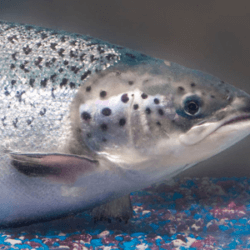
In the seafood department, startup AquaBounty has received approval from the U.S. Food and Drug Administration for fast-growth salmon that have been genetically engineered to get to market weight in about half the time as unmodified fish. Memphis Meats is commercializing what it says is the “world’s first chicken produced without the animal.” The company grows meat in tanks by feeding living animal cells oxygen, sugar, and other nutrients. The process uses about 1% of the land and 10% of the water needed for conventional animal agriculture.

…

fortune big statgraphic food eA complicating factor in all of this has nothing to do with the science. It’s that the target market for these products—people who care about the carbon footprint of what they eat—is also resistant to mixing technology with food (e.g., the backlash against genetically modified organisms).

The GLP aggregated and excerpted this blog/article to reflect the diversity of news, opinion, and analysis. Read full, original post: Can You Innovate Your Way to Better Beef, Chicken, or Fish?

For more background on the Genetic Literacy Project, read GLP on Wikipedia

Related Articles

Infographic: Global regulatory and health research agencies on whether glyphosate causes cancer

Infographic: Global regulatory and health research agencies on whether glyphosate causes cancer

Does glyphosate—the world's most heavily-used herbicide—pose serious harm to humans? Is it carcinogenic? Those issues are of both legal and ...

Most Popular

Screenshot-2026-11-05-at-1.20.54-PM
$7.35 billion PFAS settlement: 3M to pay people who blame health problems on ‘forever chemicals’ phased out of firefighting foam for more than 20 years
Wave Crest Over Red Cross
Viewpoint: Here are the election-inspired Trump administration healthcare policy reversals expected in the coming months
ChatGPT-Image-Mar-10-2026-01_39_01-PM
Viewpoint—“Miracle molecule” debunked: Why acemannan supplements don’t work
Democratic Donkey Plowing at Sunset
Viewpoint: Democratic tsunami: As the red tide recedes, here are the most likely shifts in food and agricultural policy
Aerial Sprayer Over Gradient Fields
Farming, food, and chemicals: Post-midterms, the MAHA alliance between Democrats and MAGA Republicans is bruised but not cowed. What comes next?
p22_spraying_2
How climate change is driving increased pesticide usage
Blue Checklist in Centered Hand
Viewpoint: From Medicaid cuts to MAHA-backed anti-vaccine and chemical hysteria, voters reject Republicans’ science-skeptical agenda
Crumbling MAHA Stage Portrait
Cataloging the RFK Jr.-MAHA crushing midterm collapse
Screenshot-2026-11-05-at-2.47.29-PM
Collagen supplements are not a wrinkle-reducing silver bullet, but they sure cost a lot
Microscopic IVF Egg Injection
With technical barriers to human embryo editing falling, ethical concerns escalate
Picture1
Viewpoint: How badly is the U.S. food-safety net fraying? FDA’s bungled handling of the tainted lettuce crisis deepens concerns over cuts to disease tracking and response
Screenshot-2026-10-21-at-11.30.51-AM
Viewpoint: Yes, our food system stinks, but the attack of ultra-processed foods is often misplaced
glp menu logo outlined

Get news on human & agricultural genetics and biotechnology delivered to your inbox.