China’s cultural revolution: Why widespread personal gene sequencing may be inevitable

fd cebf a

[Editor’s note: Razib Khan is a PhD candidate in genetics at the University of California-Davis.]

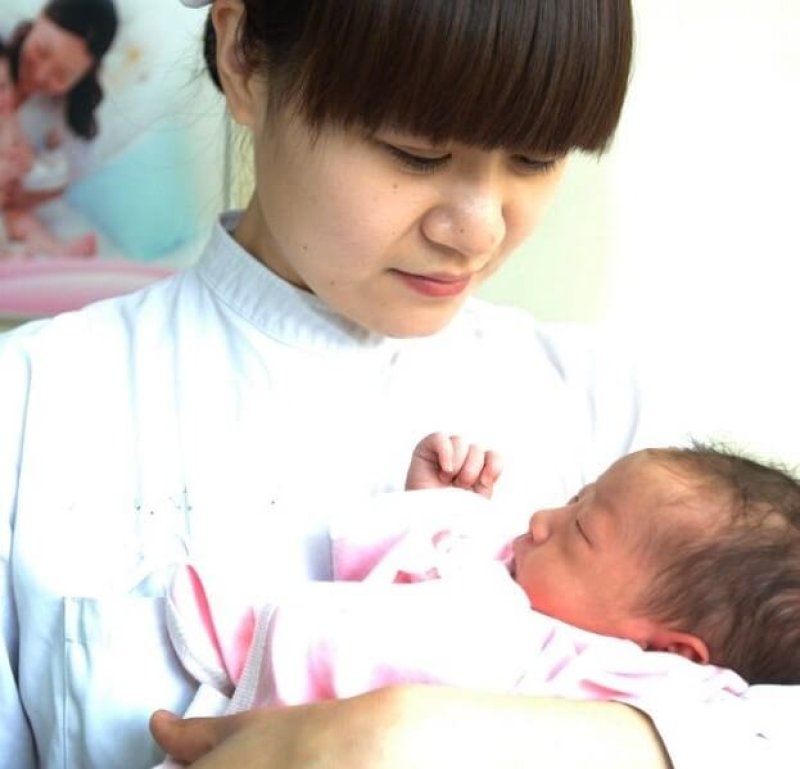
If you’ve been hiding under a rock, please see Baby Genome Sequencing for Sale in China:

A Boston-based DNA sequencing company [called Veritas] is offering to decode the complete genomes of newborns in China, leading some to ask how much parents should know about their children’s genes at birth.

[Despite the presence of uncertainty,]  I don’t see why sequencing should not be allowed as a choice by parents nevertheless. And widespread adoption of sequencing would actually allow us to start obtaining more data that we could use to make better decisions in the future.

…

Like in vitro fertilization I see neonatal sequencing as inevitable in regards to whether it will be ubiquitous. It will be common. And “ethical problems” won’t really come up in the future because people will be comfortable with it.
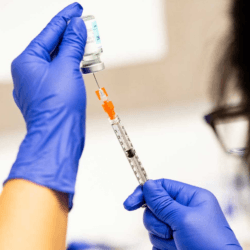
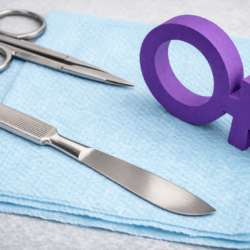
This is in sharp contrast with CRISPR. That’s a technology that will have real consequences, and like male circumcision may be difficult to reverse for someone who as an adult was modified in infancy. In contrast a genome sequence is just more information.

For years many people have speculated that genetic testing technology will really begin to take off in Asia because for various reasons Americans and Europeans are wary. To me this is a signal that that might be occurring, depending on how successful Veritas’ venture is.

The GLP aggregated and excerpted this blog/article to reflect the diversity of news, opinion, and analysis. Read full, original post: The cultural revolution that will happen in China

Related Articles

Infographic: Global regulatory and health research agencies on whether glyphosate causes cancer

Infographic: Global regulatory and health research agencies on whether glyphosate causes cancer

Does glyphosate—the world's most heavily-used herbicide—pose serious harm to humans? Is it carcinogenic? Those issues are of both legal and ...

Most Popular

ChatGPT-Image-Mar-10-2026-01_39_01-PM
Viewpoint—“Miracle molecule” debunked: Why acemannan supplements don’t work
ChatGPT-Image-Sep-10-2026-10_36_07-AM
Viewpoint: Even lousy scientific articles can shield authors when they hype dubious health claims and products
ChatGPT-Image-Sep-23-2026-02_36_39-PM
Viewpoint: After firing the entire National Science Board, Trump reshapes funding initiatives. Here’s the good and the bad.
generated-1790707585414
Facts & Fallacies podcast: America's health care system is broken. A doctor explains how to fix it
ChatGPT-Image-Sep-21-2026-03_15_09-PM
Viewpoint: Chipotle-inspired lesson: 10,000 sick customers suggest that processed foods can be safer than fresh ones
ChatGPT-Image-Sep-21-2026-11_54_00-AM
Viewpoint: Activist environmental NGOs are turning from public funding to activist billionaires to support their campaigns. It won’t end well.
Screenshot 2026-08-12 at 1.22
Activists vs. Scientists: Could “Butterfly Effect” fears derail gene-drive research targeting the flesh-eating screwworm?
ChatGPT-Image-Sep-22-2026-11_17_31-AM
The exploding controversy over AI’s built-in survival drive
sorghum farmers in kenya FARMERS TREND
Here are all the ways CRISPR gene editing is transforming Africa’s staple crops—and there’s a lot more innovation to come
Screenshot-2026-09-16-at-10.27.33-AM
Viewpoint: SCOTUS poised to address First Amendment tension between mandatory vaccines, children’s health and religious freedom 
glp menu logo outlined

Get news on human & agricultural genetics and biotechnology delivered to your inbox.