Do organic and conventional farmers use similar amounts of pesticides?

Screen Shot at AM

[Editor’s note: This opinion column was written by Jessica Shade, Director of Science Programs for The Organic Center. It was written in response to the AGDAILY piece Eliminate the double standard in conventional and organic pesticide perceptions.]

Organic food has fewer pesticide residues on it, and a wide body of research proves this fact. This makes sense, because federal organic standards prohibit organic farmers from using synthetic, toxic chemicals, and allow the use of non-toxic materials only as a last resort. This results in healthier consumers, farmers, and sustainable practices to support our environment.

A recent opinion piece, “Eliminate the double standard in conventional and organic pesticide perceptions” on this website misses the mark when looking at pesticide use on organic and conventional crops.

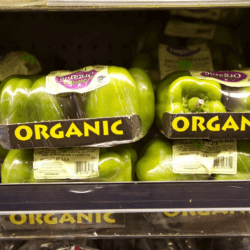
Yes, even organic foods can have some pesticide residues on them, but a massive amount of data that should not be ignored shows conclusively that organic foods have fewer instances of residues, and, in the rare cases where residues are found, those residues show up at much lower levels on organic than conventionally grown crops.

…

Let’s be aware of the facts and use that knowledge to work together to produce food in a way that does not stress our environment, but that nourishes and fosters the health of our world and of our world’s population.

The GLP aggregated and excerpted this article to reflect the diversity of news, opinion and analysis. Read full, original post: Opinion: Know the facts about organic agriculture … then form your perceptions


Related Articles

Infographic: Global regulatory and health research agencies on whether glyphosate causes cancer

Infographic: Global regulatory and health research agencies on whether glyphosate causes cancer

Does glyphosate—the world's most heavily-used herbicide—pose serious harm to humans? Is it carcinogenic? Those issues are of both legal and ...

Most Popular

Neon Syringe Portrait with BPC-157
Viewpoint: Peptides and medical freedom: The MAHA obsession that can damage your health
Glossy Plastic Bag of Tokens and Labels
Viewpoint: How CNN got played by environmental activists pushing a plastics scare and litigation agenda
ChatGPT-Image-Mar-10-2026-01_39_01-PM
Viewpoint—“Miracle molecule” debunked: Why acemannan supplements don’t work
Screenshot-2026-10-21-at-11.30.51-AM
Viewpoint: Yes, our food system stinks, but the attack of ultra-processed foods is often misplaced
Screenshot 2026-07-29 at 10.40
The COVID vaccine turbo cancer scare is back. Science still proves it’s wrong.
Screenshot-2026-10-30-at-11.20.30-AM
‘Silent killer’: Hepatitis B could surge under Trump–RFK Jr. rollback of newborn vaccine recommendations
Screenshot 2026-10-27 at 10.32
“Do your own research”: What Medicare’s annual open enrollment circus teaches us about the seductive trap of DIY health and science
Robots in a Futuristic Conference Meeting
Helpful until we’re helpless? Researchers warn AI is gradually eroding human control
Screenshot-2026-10-30-at-11.36.40-AM
An Earth-saving benefit of global warming?: How fossil fuel-burning humans stopped the looming Ice Age
Screenshot 2026-10-20 at 1.37
Race against food rot: How AI and gene editing could slash fruit and vegetable waste
Patriotic Flag in a Glass Flask
Viewpoint: America Last: From the Pentagon to universities, Trump’s corruption of science could inflict lasting, irreversible damage on U.S. research
glp menu logo outlined

Get news on human & agricultural genetics and biotechnology delivered to your inbox.