Armor of tomorrow could be derived from these 3 animals

spider

Scientists are investigating what makes conch shells andย fish scalesย so tough and designing their own versions. Theyโ€™re even turning to materials likeย spider silkย and dreaming up new, protective functions for the super-strong goo. In a few years, these new armors could show up in bulletproof vests, protective gloves, sports helmets, and even athletic wear. [โ€ฆ] Here are three ways that animals are helping us protect ourselves.

โ€ฆ

Theย alligator garย is not an easy fish to kill. Found in the waters of southern states like Louisiana and Texas, it sports nearly impenetrable scales. [โ€ฆ] That makes it ideal inspiration for flexible armors that can stand up to punctures and lacerations.

โ€ฆ

Conchesย are a good inspiration for armor because their shells represent some of the strongest armors found in nature. These animals build impact-resistant homes that are 10 timesย tougher thanย nacre, or mother of pearl.

โ€ฆ

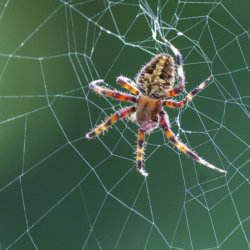
Spiders arenโ€™t known for being heavily armored. Yet their silk has to be sturdy enough to capture prey, or help them dangle from your ceiling orย sail through the air. A single strand of spider silk is strong enough to halt flying insectsย tens of thousandsย of times its own weight. [โ€ฆ] Researchers around the world are pondering how to make artificial spider silk and spin it into bulletproof vests.

The GLP aggregated and excerpted this blog/article to reflect the diversity of news, opinion, and analysis. Read full, original post:ย Three animals inspiring the armor of the future

{{ reviewsTotal }}{{ options.labels.singularReviewCountLabel }}
{{ reviewsTotal }}{{ options.labels.pluralReviewCountLabel }}
{{ options.labels.newReviewButton }}
{{ userData.canReview.message }}

Related Articles

Infographic: Global regulatory and health research agencies on whether glyphosate causes cancer

Infographic: Global regulatory and health research agencies on whether glyphosate causes cancer

Does glyphosateโ€”the world's most heavily-used herbicideโ€”pose serious harm to humans? Is it carcinogenic? Those issues are of both legal and ...

Most Popular

Picture1
The Orange Bowl without oranges: Can CRISPR save Florida citrus?
global warming
โ€˜Implausibleโ€™: Top climate scientists reject worst-case scenarioโ€”soaring temperatures and fast-rising sea levels
ChatGPT Image May 26, 2026, 12_06_53 PM
Fake Ebola cure promoters already cashing in as disinformation videos flood social media
Screenshot 2026-05-22 at 11.31
โ€˜Realistic and durableโ€™: EPA proposes loosening restrictions on some PFAS โ€˜forever chemicals.โ€™
vax-misinformation-main
Facts & Fallacies Podcast: Limit free speech to blunt social media misinfo?
ChatGPT-Image-May-1-2026-11_42_59-AM-2
Viewpoint: NAD is the wellness grifters latest evidence-lite longevity fad. At least the mice are impressed.
Screenshot-2026-04-22-at-12.21.32-PM
Viewpoint: Why the retracted Monsanto glyphosate study doesnโ€™t change the scienceโ€”the worldโ€™s most popular herbicide is safeย 
ChatGPT Image May 24, 2026, 03_16_36 PM
Here come the biohackers' Enhanced Gamesโ€”The Olympics for athletes doping up on steroids, hormones and peptides. Whatโ€™s wrong with that?
Screenshot-2026-05-21-at-12.15.17-PM
UK gene-editing milestone: Livestock barley that increases ruminant value and reduces methane emissions is first-approved CRISPR crop
Picture1
The FDA couldnโ€™t find a vaccine safety crisis, so it buried its own research
glp menu logo outlined

Get news on human & agricultural genetics and biotechnology delivered to your inbox.