High supplies and low prices: Does the world really need more corn?

x

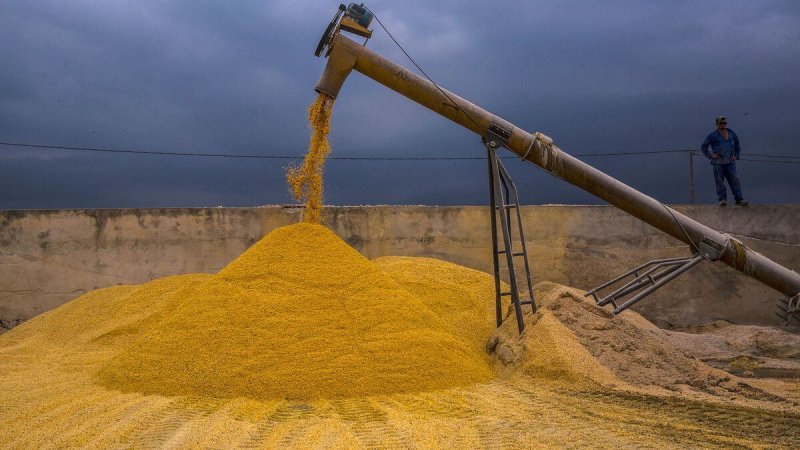
Monsanto Co is working to develop what it hopes will be North America’s fastest-maturing corn, allowing farmers to grow more in Western Canada and other inhospitable climates, such as Ukraine.

The seed and chemical giant projects that western Canadian corn plantings could multiply 20 times to 10 million acres by 2025 – adding some 1.1 billion bushels, or nearly 3 percent to current global production.

The question, amid historically high supplies and low grain prices, is whether the world really needs more corn.

Abundant supplies have helped lower food prices across the world, but the benefit to consumers and impoverished nations is muted by several factors, including problems with corruption and distribution of food in developing regions, said Sylvain Charlebois, professor of food distribution and policy at Canada’s Dalhousie University.

The bumper harvests may actually harm poor communities more than they benefit their residents in food savings because lower prices depress farm incomes in the same areas, said John Baffes, a senior economist at the World Bank.

Even as farmers reap bountiful harvests, U.S. net farm incomes this year will total $63.4 billion – about half of their earnings in 2013, according to a U.S. Department of Agriculture forecast.

The GLP aggregated and excerpted this article to reflect the diversity of news, opinion and analysis. Read full, original post: Special Report: Drowning in grain – How Big Ag sowed seeds of a profit-slashing glut


{{ reviewsTotal }}{{ options.labels.singularReviewCountLabel }}
{{ reviewsTotal }}{{ options.labels.pluralReviewCountLabel }}
{{ options.labels.newReviewButton }}
{{ userData.canReview.message }}

Related Articles

Infographic: Global regulatory and health research agencies on whether glyphosate causes cancer

Infographic: Global regulatory and health research agencies on whether glyphosate causes cancer

Does glyphosate—the world's most heavily-used herbicide—pose serious harm to humans? Is it carcinogenic? Those issues are of both legal and ...

Most Popular

d-b
Blocked arteries, kidney stones, nausea, constipation, fatigue: Long list of health problems caused by too much vitamin D 
Screenshot-PM-24
Viewpoint: The herbicide glyphosate isn’t perfect. Banning it would be far worse.
79d03212-2508-45d0-b427-8e9743ff6432
Viewpoint: The Casey Means hustle—Wellness woo opportunism dressed up as medical wisdom
ChatGPT-Image-Mar-10-2026-01_39_01-PM
Viewpoint—“Miracle molecule” debunked: Why acemannan supplements don’t work
ChatGPT-Image-Mar-27-2026-11_27_05-AM
The myths of “process”: What science says about the “dangers’ of synthetic products and ultra-processed foods
ChatGPT-Image-Apr-30-2026-12_21_05-PM-2
The tech billionaires behind the immortality movement
ChatGPT-Image-Apr-30-2026-05_00_48-PM
Wellness grifter physician turned wellness influencer out as surgeon general nominee

Sorry. No data so far.

glp menu logo outlined

Get news on human & agricultural genetics and biotechnology delivered to your inbox.