Neanderthal-human mating reintroduced lost African genes, for better and worse

mason abst x

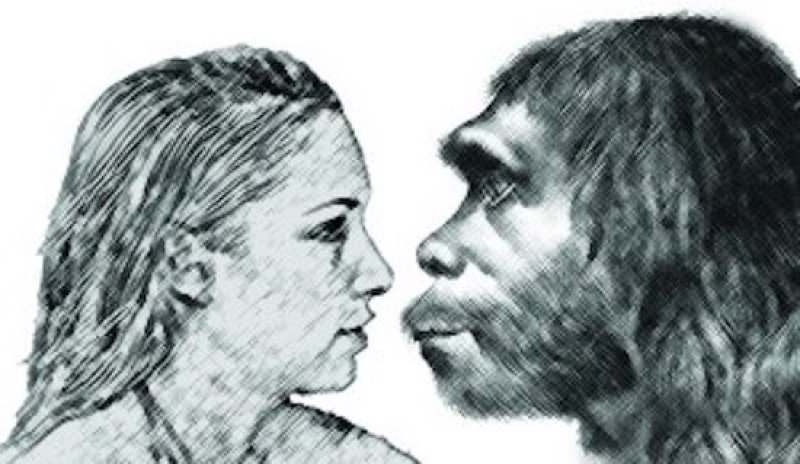
When Neandertals mated with modern humans, they shared more than an intimate moment and their own DNA. They also gave back thousands of ancient African gene variants that Eurasians had lost when their ancestors swept out of Africa in small bands, perhaps 60,000 to 80,000 years ago. Restored to their lineage, this diversity may have been a genetic gift to Eurasian ancestors as they spread around the world. Today, however, some of these African variants are a burden: They seem to boost the risk of becoming addicted to nicotine and having wider waistlines.

[The] team found the ancient African variants when they scrutinized the genomes of more than 20,000 people in the 1000 Genomes Project and Vanderbilt’s BioVU data bank of electronic health records. They soon noticed a strange pattern: Stretches of chromosomes inherited from Neandertals also carried ancient alleles, or mutations, found in all the Africans they studied, including the Yoruba, Esan, and Mende peoples. The researchers found 47,261 of these single-base changes across the genomes of Europeans and 56,497 in Asians, [lead researcher Tony] Capra says. In Eurasians these alleles are only found next to Neandertal genes, suggesting all this DNA was inherited at the same time, when the ancestors of today’s Eurasians mated with Neandertals roughly 50,000 years ago.

The GLP aggregated and excerpted this blog/article to reflect the diversity of news, opinion, and analysis. Read full, original post: Modern humans lost DNA when they left Africa – but mating with Neandertals brought some back

{{ reviewsTotal }}{{ options.labels.singularReviewCountLabel }}
{{ reviewsTotal }}{{ options.labels.pluralReviewCountLabel }}
{{ options.labels.newReviewButton }}
{{ userData.canReview.message }}

Related Articles

Infographic: Global regulatory and health research agencies on whether glyphosate causes cancer

Infographic: Global regulatory and health research agencies on whether glyphosate causes cancer

Does glyphosate—the world's most heavily-used herbicide—pose serious harm to humans? Is it carcinogenic? Those issues are of both legal and ...

Most Popular

ChatGPT Image May 26, 2026, 08_42_17 AM (1)
Viewpoint: Greenpeace and poison: How environmental advocacy groups rely on compliant (and often ignorant) journalists to spread disinformation and spark litigation
Screenshot 2025-07-30 at 10.48
Can gene editing eliminate Down syndrome? Scientists have done it in lab-grown cells
Screenshot-2026-05-28-at-1.36.28-PM
Viewpoint: Can mRNA research survive the Trump administration?
Screenshot-2026-06-02-at-11.59.11-AM
Magnifica Humanitas: Pope’s encyclical broadside against AI naivete and overreach
ChatGPT-Image-May-26-2026-07_51_21-AM-2
Viewpoint: There are more than 1,000 chemicals in a cup of coffee—including many substances that can cause cancer. Why isn’t it banned?
Screenshot 2025-11-18 at 3.45
Viewpoint—GMOs and sustainability: Why buying organic foods is the least environmentally-sensitive food choice—without offering any health benefits
Picture1
Sounds we can’t hear — the hidden planetary signals behind science, fear, and misinformation
ChatGPT-Image-Jun-2-2026-11_39_58-AM
Viewpoint: Who is RFK, Jr.’s newly-appointed CDC senior counselor, Sara Brenner — Vaccine skeptic and self-proclaimed “MAHA mom”
ChatGPT Image May 28, 2026, 08_16_38 PM
Viewpoint: Why the EPA mismeasures cancer risk of chemicals and what should be done to fix it
Screenshot-2026-05-27-at-10.51.25-AM
Viewpoint: ‘Monsanto’ blues—Planned Netflix movie promises yet another round of anti-glyphosate disinformation
Screenshot-2026-06-01-at-1.35.32-PM
Viewpoint: Swine farmers are under attack for allegedly mistreating their animals. Here are the facts.
glp menu logo outlined

Get news on human & agricultural genetics and biotechnology delivered to your inbox.