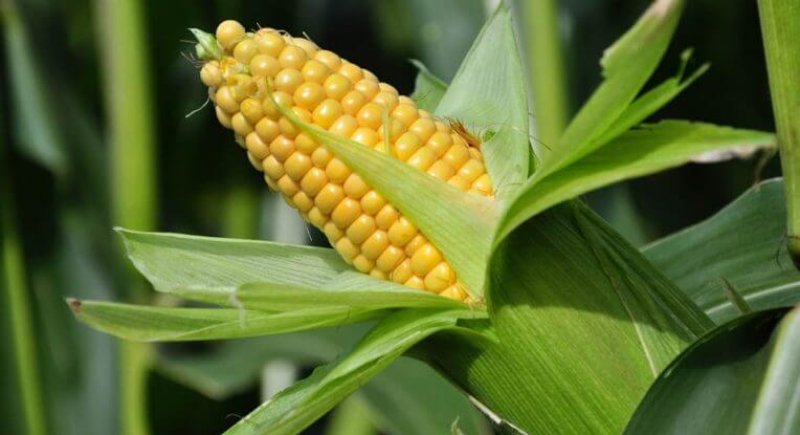
14 corn genes identified that could boost vitamin E levels

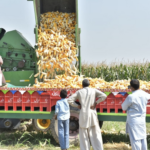
kukurydza gmo kompresja e

New research has identified genes that control vitamin E content in maize grain, a finding that could lead to improving the nutritional profile of this staple crop.

Cornell scientists and colleagues from other institutions combined different types of genetic association analyses to identify 14 genes across the genome that were involved in the synthesis of vitamin E. Six were newly discovered to encode proteins that contribute to a class of antioxidant compounds called tocochromanols, collectively known as vitamin E. Along with antioxidant properties, tocochromanols have been associated with good heart health in humans, and proper functioning in plants.

โ€œWe have established a near-complete foundation for the genetic improvement of vitamin E in grain of maize and other major cereals,โ€ said Michael Gore, associate professor of plant breeding and genetics and a co-corresponding author ofย the study published Oct. 2 in the journal The Plant Cell.
โ€œThere has been talk, among breeders working to increase provitamin A in maize, that we could increase vitamin E at the same time,โ€ said Christine Diepenbrock, a graduate student in Goreโ€™s lab, and the paperโ€™s first author.

The GLP aggregated and excerpted this article to reflect the diversity of news, opinion and analysis.ย Read full, original post:ย Vitamin E genes identified in maize may help biofortify crops

{{ reviewsTotal }}{{ options.labels.singularReviewCountLabel }}
{{ reviewsTotal }}{{ options.labels.pluralReviewCountLabel }}
{{ options.labels.newReviewButton }}
{{ userData.canReview.message }}

Related Articles

Infographic: Global regulatory and health research agencies on whether glyphosate causes cancer

Infographic: Global regulatory and health research agencies on whether glyphosate causes cancer

Does glyphosateโ€”the world's most heavily-used herbicideโ€”pose serious harm to humans? Is it carcinogenic? Those issues are of both legal and ...

Most Popular

ChatGPT-Image-Jun-9-2026-01_11_37-PM
Turmeric supplements: More risks than benefits
Screenshot-2026-06-05-at-2.12.30-PM
Some plants can poison you. So how did humans figure out what is safe to eat?
Screenshot-2026-06-17-at-9.44.03-AM
Viewpoint: Embryos are becoming the newest battleground of love, loss, and legal uncertainty
ChatGPT-Image-Mar-10-2026-01_39_01-PM
Viewpointโ€”โ€œMiracle moleculeโ€ debunked: Why acemannan supplements donโ€™t work
ChatGPT-Image-Jun-11-2026-01_15_03-PM
Selective Pressure, Selective Silence
ChatGPT-Image-Jun-14-2026-09_41_44-AM-2
Viewpointโ€”โ€˜The gleeful efficiency of an arsonistโ€™: Administrationโ€™s health and science research cuts are โ€˜sabotagingโ€™ Americaโ€™s future
ChatGPT-Image-Jun-15-2026-11_51_00-AM-4
Viewpoint: As the International Association for Research on Cancer loses influence, activists and trial lawyers scramble to protect a lucrative playbook
ChatGPT Image May 26, 2026, 08_42_17 AM (1)
Viewpoint: Greenpeace and poison: How environmental advocacy groups rely on compliant (and often ignorant) journalists to spread disinformation and spark litigation
wuhan institute of virology main entrance
โ€‹โ€‹COVID lab leak? Making a case that the Wuhan market origins theory is wrong
ChatGPT-Image-Jun-21-2026-02_33_08-PM
Texas Air Force base flu outbreak soars to over 220 cases, and one soldier has died after Secretary Hegseth scrapped mandatory military flu shotsย 
glp menu logo outlined

Get news on human & agricultural genetics and biotechnology delivered to your inbox.