Safer CRISPR? Cas13 version edits RNA, not DNA

CRISPR

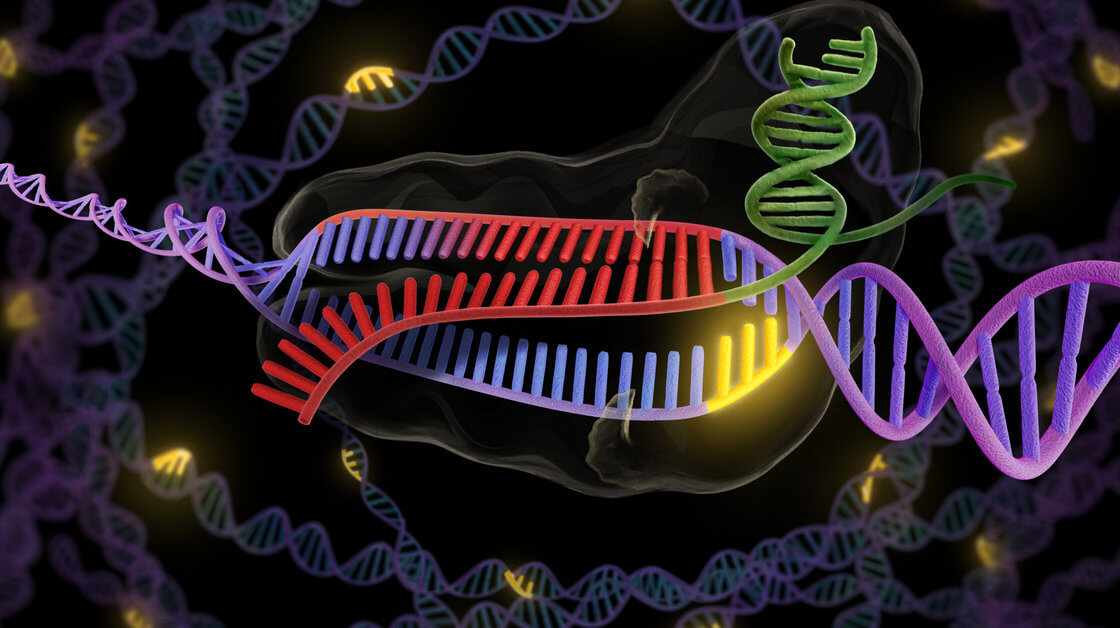
CRISPR, while a major leap forward in gene editing, can still be a blunt instrument. There have been problems with CRISPR modifying unintended gene targets and making worrisome, and permanent, edits to an organism’s genome.

In a paper published in Science, researchers described an entirely new CRISPR-based gene editing tool that targets RNA, DNA’s sister, allowing for transient changes to genetic material. In Nature, scientists described how a more refined type of CRISPR gene editing can alter a single bit of DNA without cutting it — increasing the tool’s precision and efficiency.

[T]he new Science paper describes a novel gene editing tool called REPAIR that’s focused on using a different enzyme, Cas13, to edit that transient genetic material, the RNA, in cells. REPAIR can target specific RNA letters, or nucleosides, that are involved in single-base changes that regularly cause disease in humans.

This is hugely appealing for one big reason: With CRISPR/Cas9, the changes to the genome, or the cell’s recipe book, are permanent. You can’t undo them. With REPAIR, since researchers can target single bits of ephemeral RNA, the changes they make are transient, even reversible. So this system could fix genetic mutations without actually touching the genome.

The GLP aggregated and excerpted this blog/article to reflect the diversity of news, opinion, and analysis. Read full, original post: 2 new CRISPR tools overcome the scariest parts of gene editing

How one farmer stood up to anti-GMO activists and the Italian state—and won

WCCOR L C BAP MGZOOM

As chair of the local farmers federation [Giorgio Fidenato, a small-holder farmer growing corn, tomatoes and soybeans in Italy] pushes for more sustainable agriculture and lower pesticide use — an effort that has driven him into an unlikely confrontation with environmentalists and even the Italian state.

Fidenato knew there was a solution to spraying: maize containing the insecticidal protein Bt, which has been cultivated for decades in North and South America, and was approved for cultivation by the European Union in 1998.

However, because it is classed as a “GMO,” insect-resistant maize is highly controversial in Europe. Farmers who try to cultivate it in order to reduce pesticide applications are persecuted and even taken to court, and national governments such as Italy and France have introduced bans to try to prevent farmers from exercising this choice.

Fidenato is no exception. When he first began to grow MON810 maize, anti-GMO activists invaded his field and destroyed it.

Seeing that the Italian government had failed to produce any real scientific evidence against GMOs, Fidenato and his farmer allies were determined not to back down. They pressed their case all the way up to the European Court of Justice. And on Sept. 13, 2017, much to everyone’s surprise, they won.

The GLP aggregated and excerpted this article to reflect the diversity of news, opinion and analysis. Read full, original post: Italian farmer wages lonely battle against a continental tide of superstition

Gene circuit triggers immune system to battle cancer

Screen Shot at AM

A research team at MIT has used synthetic biology to create a gene circuit that triggers the immune system to attack cancer when it first detects the signs of the disease.

The circuit works by only activating the immune response when two specific cancer biomarkers are detected. The new study was published in the journal Cell … and represents an exciting step forward for synthetic biology and cancer research.

When the circuit is activated, it secretes proteins that attract the cells of the immune system and directs them to attack the tumor cells. This includes surface T cell engagers, which direct the T Cells to destroy the cancer cells. Additionally, the circuit expresses a checkpoint inhibitor that removes the barrier to T cell activity, allowing it to spot the cancer cells and move in for the kill.

Lastly, the team demonstrated that the circuit could be easily converted to target other kinds of cancer cells by changing the required inputs to trigger it. They identified promoters that were selective for breast cancer, which allowed the immune system to focus on that type of cancer over others.

The GLP aggregated and excerpted this blog/article to reflect the diversity of news, opinion, and analysis. Read full, original post: How Creating a Gene Circuit Could Help to Combat Cancer

Video: How glyphosate herbicide enables no-till, environmentally friendly farming

Cross Slot in Radish

[Editor’s note: Jake Freestone is the manager of an arable and sheep LEAF Demonstration Farm in Tewkesbury, England.]

[N]o-till or zero-till, is under threat from misinformed lobby groups trying to get the active ingredient ‘glyphosate’ banned from all of our European crop production systems.  It is a very safe herbicide, (weedkiller) that we use instead of cultivation to kill weeds and cover crops, prior to planting our next crop.  It has been a valuable tool available to farmers for the last 40 years. Without glyphostate there will be serious implications to our food security and the negative effects of cultivation, (listed above) in terms of mechanical weed control will return.  It is used across the world and is one of the most rigorously tested of any pesticide, that is currently registered for use.

Without glyphostate, as part of an Integrated Farm Management approach, UK yields of wheat and oilseed rape (canola) will drop by about 20%, primarily due to weed competition. We will need to use 546,000 Ha more land to replace this lost production.

I know that not being able to use this proven, safe chemical will impact severely on what we do and how we do it; eroding the positive environmental benefits of no-till farming.

The GLP aggregated and excerpted this article to reflect the diversity of news, opinion and analysis. Read full, original post: Glyphosate – A Key Ingredient

Could we protect bees from neonicotinoid insecticides by planting trees?

fw
[I]t’s unlikely farmers will give up or limit pesticide use, so instead, a team of researchers at the University of Nebraska-Lincoln is looking at designing agricultural landscapes with pollinator health in mind.

UNL’s five-year project wants to find out whether windbreaks, planted pollinator habitat, cover crops or a combination of those techniques can help limit pesticide drift.

Most commercial corn and soybean seeds have a pesticide coating that can become airborne and drift onto plants that bees rely on, such flowering trees and shrubs that grow along roadsides or in field corners.

Corn planting coincides with spring blooming, according to Judy Wu-Smart, a UNL assistant professor and extension specialist in pollinator health, drawing bees in at a time when they’re even more likely to get pesticide exposure.

Researchers want to make these pollinator-friendly landscape designs appealing enough to farmers that they’ll implement them, according to Gary Bentrup, a research landscape planner at the U.S. Department of Agriculture’s National Agroforestry Center in Lincoln, Nebraska.

He’s looking into the role of windbreaks — rows of trees planted along fields that can act as a shield between crops treated with neonicotinoids and pollinator-friendly plants on the other side.

The GLP aggregated and excerpted this article to reflect the diversity of news, opinion and analysis. Read full, original post: Protect Pollinators, Plant Trees? Nebraska Researchers Look To Land For Answers

Fighting malaria: Bacteria targets parasites in mosquito gut

CAS malaria mosquito gut tuwr si sktnbzr zaww

Using a bacteria strain that colonizes the mosquito digestive tract and spreads rapidly throughout the populations, scientists have successfully inhibited malaria transmission. They report their findings in Science. Malaria, one of the most devastating infectious diseases worldwide, is caused by Plasmodium parasites that are transmitted through the bite of infected female anopheline mosquitoes.

The researchers identified a bacterial strain (AS1) of the genus Serratia isolated from Anopheles mosquito ovaries. Serratia AS1 fed to adult mosquitoes stably colonized the mosquito midgut, crossed the midgut epithelium and colonized the reproductive organs. Importantly, the AS1 bacteria were transmitted from males to females via mating. Moreover, Serratia AS1 was vertically transmitted from female to larval progeny via attachment to laid eggs, primarily on the chorion ridges and floats. These bacteria propagated in the water and were ingested by the larvae that hatch from these eggs. The researchers demonstrated that this bacterium can spread rapidly throughout mosquito populations and persist for multiple subsequent generations. Moreover, Serratia AS1 could be genetically manipulated to secrete anti-Plasmodium effector molecules by use of the Serratia HasA (heme-binding protein) exporting system. The recombinant strains strongly inhibited development of the human malaria parasite Plasmodium falciparum in mosquitoes, but do not have an obvious negative impact on mosquito longevity or fecundity and fertility.

The GLP aggregated and excerpted this blog/article to reflect the diversity of news, opinion, and analysis. Read full, original post: Bacteria Stops Malaria Parasites in Mosquito Gut

‘Chemical surgery’ could treat diseases by fixing genetic mutations

chemical

A breakthrough in “chemical surgery” that can correct a type of genetic mutation behind a host of diseases has been unveiled by researchers. Scientists are hopeful that the approach could offer new ways to understand – and even one day tackle – certain human genetic diseases by correcting mutations in a patient’s body.

[S]cientists say they can fix these errors in a process known as “base editing”, turning A bases back to G and T bases back to C using a modified version of the gene editing tool Crispr–Cas9.

Within the new machinery, a section of single-stranded genetic material known as RNA directs the tool to the faulty section of DNA, which the Cas9 protein “unwinds”. A specially-developed enzyme within the tool then chemically alters the A base, turning it into a molecule known as inosine, which is “read” as a G by the cell’s machinery.

The technique, [co-author David] Liu adds, has some advantages over traditional Crispr-Cas9 techniques for switching base pairs, not least that it is less prone to problems of random insertions or deletions, was not found to cause unwanted changes to the base pairs, and works well in adult cells. However, he noted that base-editing cannot be used to insert or delete stretches of DNA.

The GLP aggregated and excerpted this blog/article to reflect the diversity of news, opinion, and analysis. Read full, original post: ‘Chemical surgery’ can correct genetic mutations behind many diseases – study

Ancient incompatibility: Why human females and Neanderthal males had difficulty conceiving

neandertal boy

After years of sequencing the genomes of female Neandertals, researchers have finally got their first good look at the Y chromosome of a male Neandertal—and found that it is unlike that of any other Y in modern humans living today. Even though Neandertals and modern humans interbred several times in the past 100,000 years, the DNA on the Y chromosome from a male Neandertal who lived at El Sidrón, Spain, 49,000 years ago has not been passed onto modern humans, researchers report.

This has suggested that female modern humans and male Neandertals were not fully compatible and that male Neandertals may have had problems with sperm production. The new study finds a clue to why: The El Sidrón Neandertal had mutations in three immune genes, including one that produces antigens that can elicit an immune response in pregnant women, causing them to reject and miscarry male fetuses with those genes.

The GLP aggregated and excerpted this blog/article to reflect the diversity of news, opinion, and analysis. Read full, original post: Modern human females and male Neanderthals had trouble making babies. Here’s why

Toxin-neutralizing GMO peanuts could solve serious food safety issue in Africa and Asia

CACAHUATE TAMAULIPAS

Aflatoxin contamination in peanuts poses major challenges for vulnerable populations of sub-Saharan Africa and South Asia. Developing peanut varieties to combat preharvest Aspergillus flavus infection and resulting aflatoxin contamination has thus far remained a major challenge….

Our study reports achieving a high level of resistance in peanut by overexpressing (OE) antifungal plant defensins MsDef1 and MtDef4.2, and through host-induced gene silencing (HIGS) of aflM and aflP genes from the aflatoxin biosynthetic pathway.

This is the first study to demonstrate highly effective biotechnological strategies for successfully generating peanuts that are near-immune to aflatoxin contamination, offering a panacea for serious food safety, health and trade issues in the semi-arid regions.

Our data show that using two different interventions, we achieved aflatoxin levels in peanut that are nondetectable or as low as 1–2 ppb, within the safety limits. This finding is of high significance as there are no resistant peanut lines/varieties available that demonstrate resistance levels even remotely closer to the US or EU legislative limitation of <20 ppb and <4 ppb aflatoxin, respectively.

Data presented here suggest that co-expression of antifungal defensins and hpRNAs targeting mycotoxin genes in transgenic peanuts could boost immunity, potentially resulting in absolute aflatoxin control.

The GLP aggregated and excerpted this article to reflect the diversity of news, opinion and analysis. Read full, original post: Peanuts that keep aflatoxin at bay: a threshold that matters

Keeping aging at bay by killing ‘zombie cells’

aging
[Jan] van Deursen and his colleagues at Mayo Clinic in Rochester, Minnesota, [had] an idea: could killing off these ‘zombie’ cells in the mice delay their premature descent into old age? The answer was yes. In a 2011 study, the team found that eliminating these ‘senescent’ cells forestalled many of the ravages of age.

This anti-ageing phenomenon has been an unexpected twist in the study of senescent cells, a common, non-dividing cell type first described more than five decades ago. When a cell enters senescence — and almost all cells have the potential to do so — it stops producing copies of itself, begins to belch out hundreds of proteins, and cranks up anti-death pathways full blast. A senescent cell is in its twilight: not quite dead, but not dividing as it did at its peak.

The lack of universal features makes it hard to take inventory of senescent cells. Researchers have to use a large panel of markers to search for them in tissue, making the work laborious and expensive.

Van Deursen says that continuing to answer basic biological questions is the field’s best shot at success. “Only then will we be able to understand what ageing really is, and how we can, in an intelligent way, interfere with it.”

The GLP aggregated and excerpted this blog/article to reflect the diversity of news, opinion, and analysis. Read full, original post: To stay young, kill zombie cells

Should we use gene drives to eradicate rats and other pests?

eight col PESTS

The CRISPR gene editing tool enables very precise changes to the genetic composition of its host. While the technology is still very new, it has the potential to be a very powerful tool for the eradication of stoats, rats and possums in New Zealand, with significant benefits to endangered wildlife such as the kakapo.

Inserting a gene for infertility into a rat would normally result in only a 50% chance that the trait would be handed on to the next generation – as the DNA of both parents would be passed on. However, a very new technology called the gene drive would enforce the replication of that desired gene. The result might be the complete eradication of the species, not only in New Zealand, but all round the world.

Kevin Esvelt, the scientist from MIT Media Lab who has been working on developing the [safer] daisy drive for tick-borne diseases in Nantucket and Martha’s Vineyard […] said “I’m highly sceptical that these global drive systems can be reliably contained and strongly recommend against the use for conservation. Local CRISPR-based systems such as the daisy drive – which my lab are developing – are still early in development.”

The GLP aggregated and excerpted this blog/article to reflect the diversity of news, opinion, and analysis. Read full, original post: Editing Our Genes: Pest Control

Breast cancer linked to 65 newly-found genetic variants

Screen Shot at AM

Women who have a strong family history of breast cancer have double the chance of developing it themselves. But the exact mechanisms through which that happens remain partially mysterious, and finding them could help identify new ways of screening and treating the disease. Now researchers working around the world found 65 new variants, according to a new paper. They account for about 4 per cent of that heightened chance.

Mutant versions of the two genes BRCA1 and BRCA2 have by far the biggest impact on breast cancer risk. Inheriting either of these genes raises the lifetime risk of developing the disease by as much as 90% for BRCA1 and 85% for BRCA2. It also increases the risk of ovarian cancer to a lesser degree. Other genetic variants linked to breast cancer are much less potent on their own, but their effects add up.

Professor Jacques Simard, from Laval University in Quebec city, Canada, another member of the international team, said: “Using data from genomic studies, combined with information on other known risk factors, will allow better breast cancer risk assessment, therefore helping to identify a small but meaningful proportion of women at high risk of breast cancer.

The GLP aggregated and excerpted this blog/article to reflect the diversity of news, opinion, and analysis. Read full, original post: Scientist find some of the genetic variant responsible for increasing women’s chance of breast cancer

Just in time for Halloween: Scientists successfully sequence pumpkin genomes

pumpkingenom

Scientists … have sequenced the genomes of two important pumpkin species, Cucurbita maxima and Cucurbita moschata.

The finished genomes appear in the October issue of Molecular Plant, which highlights the work on its cover.

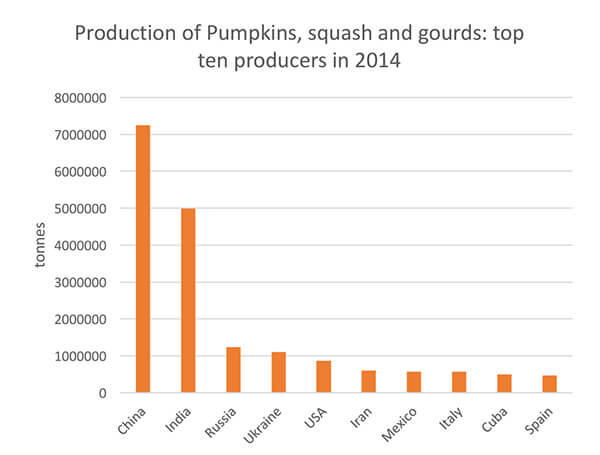
“Pumpkins are used as a staple food in many developing countries and are cultivated all over the world for their culinary and ornamental uses,” said Zhangjun Fei, associate professor at [Boyce Thompson Institute], Cornell adjunct associate professor of plant pathology and a senior author of the paper. Over two-thirds of the world’s pumpkins, squash and gourds are produced in Asia alone.

The researchers sequenced the two different pumpkin species to better understand their contrasting desirable traits: Cucurbita moschata is known for its resistance to disease and other stresses, such as extreme temperatures, while C. maxima is better known for its fruit quality and nutrition.

Once deciphered, the genome sequences are an important resource for further scientific research and breeding of Cucurbita crops. By analyzing the genomes, researchers will be able to identify many genes associated with the pumpkin’s desirable traits, and better understand the genetics behind the extreme phenotypes of the ‘Shintosa’ hybrid.

Pumpkin graph

The GLP aggregated and excerpted this article to reflect the diversity of news, opinion and analysis. Read full, original post: Pumpkin genomes sequenced revealing uncommon evolutionary history

Viewpoint: IARC glyphosate cancer advisor Christopher Portier’s history of lying about conflicts of interest

Screen Shot at AM

In a deposition last month for a court case pending against Monsanto for glyphosate “damages,” [Christopher Portier, the scientist who initially encouraged the International Agency for Research on Cancer (IARC) to conduct the glyphosate analysis and served as a special advisor to the committee that drafted the final IARC report] admitted he was retained by a law firm representing glyphosate victims less than two weeks after the IARC report was published. Since then, Portier has been a hired gun, giving expert testimony on behalf of cancer-stricken farm workers and their family members who believe glyphosate caused the disease.

[Editor’s note: Read the GLP’s profile on IARC.]

It has been a profitable gig. Over the past two years, Portier has banked about $160,000 for his time and has another $30,000 in billable hours now outstanding. During that time, as he pressured EU and U.S. agencies not to publish favorable findings about glyphosate, Portier failed to disclose his conflict of interest; in fact, Portier insisted “nobody has paid me a cent to do what I am doing with glyphosate.”

Portier has a history of such obfuscations. In a May 5, 2016, email to me objecting to an NRO article I wrote about his involvement in the IARC report, he told me this: “I am no activist. I realize that you will probably not change a word of your article, but felt the need to correct you simply because I believe that by characterizing a scientific debate as activists with an agenda, you are doing a diservice [sic] to your readers.” At that time, he had been getting paid by law firms representing alleged glyphosate victims for more than a year.

The GLP aggregated and excerpted this article to reflect the diversity of news, opinion and analysis. Read full, original post: Glyphosate Ban: Not about Green. About Greed.

Genetic predisposition to high triglycerides can be mitigated with healthy BMI, diet

Screen Shot at AM

Triglycerides, a type of fat in the blood, are important for good health. But having high triglycerides might increase a person’s risk of heart disease, and may be a sign of metabolic syndrome—a combination of high blood pressure, high blood sugar, and too much fat accumulation at the waist. People with metabolic syndrome have increased risk for heart disease, diabetes, and stroke.

[Researcher Katie] Robinson was interested in a protein made in the liver called fetuin-A (FetA). “It’s an interesting marker connecting inflammation with obesity and its associated diseases,” she says. “FetA is a protein that is released from adipose tissue and also the liver. We know FetA is integral to insulin sensitivity, and that’s where most of the research has been done to look at its function.

“With an elevated BMI, we saw greater disorder within those carrying the risk genotype. But if these individuals who had the high-risk AHSG genotype had a lower BMI, their triglycerides were lower. It suggests that even if you carry the high-risk genotype, you don’t have a greater risk of high triglycerides if you can maintain a normal BMI or a lower BMI, which I think is a positive finding when we look at genetics.”

The GLP aggregated and excerpted this blog/article to reflect the diversity of news, opinion, and analysis. Read full, original post: Genetics may put a person at risk of high triglycerides, but adopting a healthy diet can help

Viewpoint: European anti-tech groups threaten to derail CRISPR gene editing in agriculture

gene editing plants

Agriculture and crop improvement via plant breeding has defined our civilisation since the days when humans turned grass into grain and evolved from hunter-gatherers into farmers. The crop plants we grow and eat today are significantly different from their wild ancestors. Their edible parts are typically much larger, with higher yields, and are much more attractive to the consumers.

Especially during the last 50 years, plant breeding has advanced into a high-tech sector that feeds our modern world. Amid climate change, population growth, and other food challenges, such as malnutrition and food crises, even more must be done to greatly improve agriculture and plant breeding to sustainably meet society’s needs for the future.

I would like to continue on this innovation path in plant breeding and stimulate Europe and European leaders to embrace new genome editing methods for the improvement of our crops for the future.

van Tunen Arjen
Arjen van Tunen

Today, we are witnessing a breakthrough in science and technology: new genome editing tools allow us to make specific genetic improvements in all organisms, including crop plants. In contrast to the current time-consuming and labour-intensive process of selection of random mutations throughout the entire genome, the use of genome editing is very fast, precise and predictable.

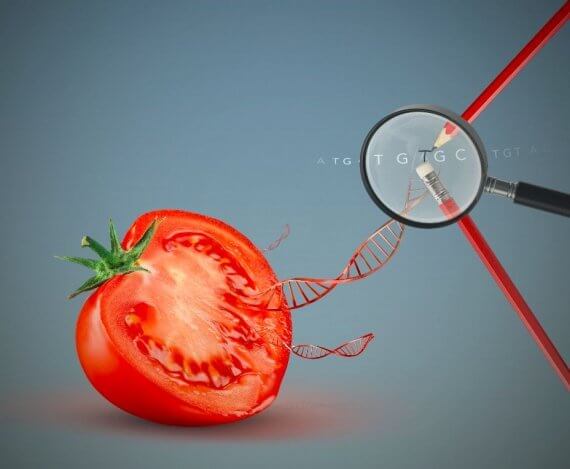
For instance, consider tomato, whose DNA code consists of around one billion GATC letters. In the natural background of the tomato DNA we can now precisely make an unprecedented one letter change without adding any (foreign) DNA.

Compared with traditional breeding methods, this manifold increase in precision which genome-editing tools (including CRISPR) allow for, is similar to using a modern day telescope instead of the naked eye to observe and explore the heavens.

The improvements evoked by genome editing help to give plants desirable characteristics that enhance sustainable food production and better food quality and health in both the developed and developing world.

The European Commission’s scientific advice mechanism has emphasised that through genome editing methods, “the precision and control over changes made is greater than with the use of conventional breeding or established techniques of genetic modification. As a consequence, these new techniques result in fewer unintended effects”.

Yet some powerful voices, including activist environmental NGOs, want to ban this new methodology, and these NGOs spread their often-unsubstantiated opinions about the supposed risks of “unintended effects or unproven safety” resulting from genome editing.

They argue that a plant resulting from a new breeding method should be legally considered the same as a genetically modified plant even when no (foreign) DNA has been inserted into the plant’s genome.

This interpretation would mean that such a plant will be stigmatised as GMO, although it is identical to its conventionally bred sibling. This would practically imply that such crop plants cannot be grown in the EU and can only be imported into the EU after a notoriously long and expensive authorisation process.

This will significantly hinder innovation in Europe and eventually also other parts of the world and inhibits the development of better crops that are very much needed to feed our growing world population in the future.

What we need most urgently now is legal certainty to support innovation in plant breeding in the EU. The EU has gathered evidence for nearly 10 years, which overwhelmingly suggests that according to the existing EU legislation, the use of the new genome editing methods in most cases lead to mutations that also can be found in nature, thereby not resulting in GMOs.

Public institutions and expert organisations from many member states have confirmed that such genome editing techniques are and can be exempted from the EU’s existing GMO legislation. They are merely precise tools of mutagenesis, which is explicitly exempted.

Unfortunately, the Commission has never published the 2012 report from a dedicated member states expert group, nor has it published its own long-awaited legal document in which it intends to interpret the new breeding technologies in light of the existing EU GMO directive.

Meanwhile, anti-technology groups have been actively communicating against genome editing innovations and have initiated a court case at the European Court of Justice to achieve their goal of qualifying edited plants as GMOs.

I trust that the judges of this court will take a well-informed decision within a year from now and I hope that they will also take a balanced approach on the precautionary principle. Advocate General Michal Bobek recently warned (in the context of another case) that “the precautionary principle (could) turn into a universal incantation to block innovation.”

I would like to see the court take its decision first. Interfering initiatives to try and change the existing EU legislation are not appropriate nor helpful at this stage and would only lead to further delays and uncertainty.

I also welcome the fact that public institutions at EU and national level have provided a lot of information on this complex topic and started to facilitate the debate on innovations in plant breeding and genome editing.

I expect them to forcefully defend science-based innovation, stand up against misinformation rather than only acting as moderators, and take the unmet needs of large numbers of consumers inside and outside the EU for better and healthier crops into account.

Finally, I hope that, in light of the evidence which shows that very precise genome editing holds a highly promising potential to address a range of agricultural and food challenges including climate change, food insecurity and food quality issues, anti-genome editing opponents will have a change of heart. It is time to embrace precision in plant breeding and allow the use of modern technologies, just as we allow the use of telescopes to discover and explore new worlds.

Arjen van Tunen is CEO of KeyGene,  a dedicated SME plant biotechnology company with headquarters in Wageningen, the Netherlands. Follow him on twitter @KeyGeneInfo

Should the government regulate gene-edited crops?

f abe z

“They call us the food police.”

That’s how Greg Jaffe described his work as director of biotechnology for the Center for Science in the Public Interest (CSPI), speaking at the North Carolina Biotechnology Center’s seventh annual Biotech Roundtable.

Unlike most speakers at the event, Jaffe said the U.S. government’s decision not to regulate some products created by gene editing is questionable.

The government’s current position is that gene edited crops such as the non-browning CRISPR mushroom, with no genetic material inserted into the plant’s genome, does not need to be regulated.

But, Jaffe pointed out, “They (the government) didn’t say it was safe. They said they didn’t have the authority to regulate it. It wasn’t a science-based decision.”

If the gene-edited plant is “novel enough to patent, is there a contradiction in calling it natural?” Jaffe asked. “Regulation is not necessarily a dirty word. It can take many forms. Maybe it just requires notification of a gene change.” Oversight should be “science- and risk-based,” he said.

“Is there potential risk? That’s a better discussion than if the product fits some existing legal structure. Not all gene editing is the same.”

The GLP aggregated and excerpted this article to reflect the diversity of news, opinion and analysis. Read full, original post: Should gene-edited plants be government regulated?

How our brain perceives time

time

“If you are standing on hot coals, a second feels like an eternity,” Albert Einstein notes to President Franklin Roosevelt in the recent National Geographic Channel miniseries Genius. “But when you are in bed with a beautiful woman, an hour passes in a split second. That is relativity.”

It’s sexed up slightly from a more commonly quoted Einstein saying, but the idea is the same. Relativity theory describes how speed and gravity affect the passage of time. Near a black hole, for instance, Einstein’s General Relativity theory predicts that time would pass faster for a space traveler than for those left behind on Earth. That’s the basis of the 2014 hit movie Interstellar, about a man who ends up biologically the same age as his grandchildren, after a space mission that for him, and for all clocks and other devices aboard his ship, had taken only a few years. It wasn’t a mental phenomenon akin to analogy that Einstein gave to FDR. The protagonist of Interstellar really did move faster through time than everyone else, a reality that is supported by experiments with atomic clocks, and by the Einstein field equations that comprise General Relativity.

But the brain’s ability to perceive the passage of time differently at different moments is actually another kind of relativity –neurorelativity. It’s a very new field, having emerged only over the past few years, but with his hot coal analogy Einstein unwittingly predicted it.

The brain has its own time dilation

Speaking with world leaders, celebrities, and the public, Einstein could not always speak in the language of math. He had to summarize, capturing the attention of his audiences with an opening hook that related his fundamental discoveries about the fabric of space-time to everyday experiences. The hot coal analogy is just one example, but in using it, perhaps unwittingly, Einstein predicted one direction that neuroscience is taking in our era, the elucidation of timing mechanisms within the brain, and the relation of such mechanisms to internal perception of time. Highlighted in a new book, Your Brain is a Time Machine, by UCLA behavioral neuroscience professor Dean Buonomano, internal time perception runs the gamut subjective feelings like how fast your day seems to be running, to very measurable things, like how the timing of speech affects your understanding of it. As an example of the latter, Buonomano notes how the following sentence has two different meanings, depending on the length of pause between the last two words:

“They gave her cat-food”

“They gave her cat food.”

One of Buonomano’s central points is that time perception is complex, involving disperse areas of the brain. There is a timing area –the suprachiasmatic nucleus (SCN) in the hypothalamus– that responds to the light-dark cycle in the course of the day, affecting your sleep. But the SCN doesn’t tell you how many days and nights have gone passed, nor does it account for why your two days at Disneyland seemed to fly by much faster than your two hours at the dentist. The bulk of research shows that those differences, and hearing the difference between feeding a cat any food, and being fed cat-food, depend on multiple brain areas at once.

That’s on the sensation end of things, but when it comes to saying the lines about the cat, we’re in the realm of the brain’s motor system. This aspect of neurorelativity research brings us to a specific part of the brain, the cerebellum. This area of what’s called the hindbrain (the lower region of the brain) has been known for well over 150 years for it’s role in motor control and coordination, but has been recognized increasingly over the past few decades for perceptual roles as well. One of these is time perception, which makes sense since that’s what is needed to support motor coordination.

Insight from genetic disorders

The mechanisms by which the cerebellum can affect perception are by no means in sight. But brain pathways carrying information on senses such as vision, hearing, touch, pain, proprioception, self-motion perception all connect one way or another with the cerebellum. In the case of timing, there are cerebellar deficits that provide enormous insight, many of those deficits having significant genetic components.

Damage to the cerebellum, and also cerebellar deficits resulting from genetic disorders, manifest most notoriously with ataxia, the loss of control of movement. But ataxia often is accompanied by other deficits, many of which stem from problems related to timing. Of course, all movement is inherently related to time. In fact, we define movement as a change in position over time. A violinist playing a complex piece of music, a gymnast releasing and re-catching a bar, writing with a pencil, or following an object with one’s eyes –all of these tasks require the central nervous system to make very precise time calculations, and use those calculations to modulate commands sent to muscles. So it should be no surprise that cerebellar disorders manifest involving the calculation of time in relation to factors such as distance, force, direction of movement.

But what about the perception of time itself? It turns out that cerebellar disorders also may include dyschronometria –impairment of the usual ability to estimate how much time has passed. If given something entertaining to do, you might lose track of time, as in Einstein’s analogy, thinking that only a few minutes have passed by instead of an hour. You might then return to work late from lunch or miss your flight, but the miscalculation would be temporary and limited. If everything is working normally, you would not show up at your sister’s wedding reception one week late after spacing out hearing music, watching a show, or indulging in pleasures of the flesh.

Why we lose track of time, and why time seems to drag out, during certain mental states is something that neurorelativity studies have yet to sort out, but it’s clear that once out of that temporary state the brain snaps into action. And so, you rush through your showering and grooming in order to catch up, as you are back in the time frame of the rest of the world. With dyschronometria though, a person doesn’t perceive the passage of time in synch at all with everybody else. A minute to the outside world, and on your watch, could feel like a week inside your mind, or the other way around, with no hot coals, no travel near the speed of light, and no black holes to make that happen. So it’s really like a kind of internal time dilation.

There are hereditary forms of cerebellar ataxia, both with autosomal and sex-linked inheritance, and an emerging list of associated genes. In many cases, dyschronometria is a part of the clinical picture, and it also can happen as a result of lesions, for instance with trauma.There is no way to check yet, but we might speculate that brains in non-humans might be optimized differently for time perception compared with our own. Considering a long-lived giant tortoise, like Charles Darwin’s pet Harriet who lived until the year 2006, it’s reasonable to hypothesize that the passage of time might not feel the same within the mind of such as creature as it does within a human mind. In her final years, did Harriet recall some event from Victorian times as if it had happened just yesterday? That’s anyone’s guess, but either way getting a grip on the biology underlying how the brain relates to time of the outside world might advance the human experience in ways that that we can only begin to imagine.

David Warmflash is an astrobiologist, physician and science writer. Follow @CosmicEvolution to read what he is saying on Twitter.

Life-forming water droplets could have jump-started early evolution

download

Reactions in tiny droplets of water may have given rise to some of the molecules essential for the origin of life. These reactions, which require a lot of energy in large vats of liquids, are nearly spontaneous in small droplets, researchers report today (October 23) in the Proceedings of the National Academy of Sciences. The finding suggests that the building blocks of life, including DNA, RNA, and materials used in cell walls and energy storage, may have been generated in mists and sea sprays on early Earth.

[Researcher Richard] Zare and colleagues wanted to see if sea spray might have played a role in the reactions that generated prebiotic material, so they used nitrogen gas to generate a fine mist out of a solution of sugar, an RNA base called uracil, and phosphoric acid. After about 300 milliseconds, the team sniffed out the resulting compounds in the mist using a mass spectrometer, and found they included sugar phosphates and uridine—a component of RNA made up of uracil plus a simple sugar.

The initial compounds had undergone phosphorylation reactions, the team realized—a significant finding because phosphorylation is central to all metabolism in life today.

The GLP aggregated and excerpted this blog/article to reflect the diversity of news, opinion, and analysis. Read full, original post: Building Blocks of Life May Have Formed in Water Droplets