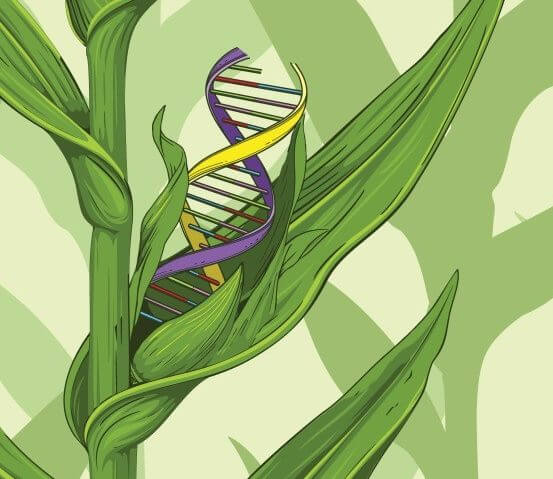
Imagine students in universities becoming the first “sequencing line of defense” by detecting bacteria resistant to antibiotics and educating their neighbors about them. Imagine the same neighbors equipped with portable sequencers to identify microorganisms in soils capable of fighting resistant pathogens.
…
The attributes of a new “bio-citizen” then look like this: scientists, patients, congressmen, employees—everyone—will be monitoring the DNA of their own bodies on shared cloud labs. Portable genomic sequencers, the size of a USB stick and connected to our smartphones, would also be integrated to our most strategic technical systems, including agro-food facilities, airports, battlefields and hospitals. These DNA-reading sensors would identify the nature, transmission paths and mutations of deadly viruses, engineered bacteria and even forgotten lethal pathogens that could one day be freed by the melting permafrost. In their home, individuals would have access to liquid biopsies – blood tests that could track their most vital biomarkers and identify at an early stage the pieces of DNA shredded by a cancer tumor or a viral agent. If millions of citizens were streaming these data to the cloud, they would build the most powerful data set for preventive and precision medicine the world has ever known. The genetic identity of any living thing, then, acquires a new life on the Internet. We enter the age of the Internet of living things (IoLT).
The GLP aggregated and excerpted this blog/article to reflect the diversity of news, opinion, and analysis. Read full, original post: The Internet of Living Things
In an interview with ETHealthworld, Dr Govind Babu, Associate Professor at Kidwai Memorial Institute of Oncology, Bengaluru, discusses the rapid advancements in genomics, how it impacts cancer care and what we need to do. Edited excerpts:
…
Today if you talk about Genomics, for most clinicians it is a very new term because clinicians as such are the end users of all these new technologies that come in and for it to percolate to routine use is rather difficult right now, but it is happening rapidly because we realise that without this we are nowhere today in treating our patients. So genomics as an integral part especially in oncology is very important.
…
When anything new comes, patients try to use it indiscriminately and this is a wrong thing because ultimately the process is put into disrepute. It is important that we have specific guidelines as to when [genomic] tests can be ordered, when they should be ordered and what is the benefit that our patient has from this.
…
[I]n the future, [genomics] is going to be the cornerstone for therapy of any cancer patient.
Fusarium graminearum is a major fungal pathogen of cereals worldwide, causing seedling, stem base and floral diseases, including Fusarium Head Blight (FHB). In addition to yield and quality losses, FHB contaminates cereal grain with mycotoxins, including deoxynivalenol (DON), which are harmful to human, animal and ecosystem health. Currently, FHB control is only partially effective due to several intractable problems.
RNA interference (RNAi) is a natural mechanism that regulates gene expression. RNAi has been exploited in the development of new genomic tools, which allow the targeted silencing of genes of interest in many eukaryotes. Host-Induced Gene Silencing (HIGS) is a transgenic technology used to silence fungal genes in planta during attempted infection and thereby to reduce disease levels.
…
An alternative non-transgenic RNAi approach is spray-induced gene silencing (SIGS)….
The use of both SIGS and HIGS on a commercial scale appears possible in the near future. Similar HIGS-based approaches developed to control FHB in wheat may be developed and assessed for their efficacy to control other Fusarium incited diseases of other important crops, e.g. banana, tomato, lettuce and oil palm, or to control other problematic fungal diseases of wheat….
In 2016, Microsoft released a “playful” chatbot named Tay onto Twitter designed to show off the tech giant’s burgeoning artificial intelligence research. Within 24 hours, it had become one of the internet’s ugliest experiments.
…
While it was a public relations disaster for Microsoft, Tay demonstrated an important issue with machine learning artificial intelligence: That robots can be as racist, sexist and prejudiced as humans if they acquire knowledge from text written by humans. Fortunately, scientists may now have discovered a way to better understand the decision-making process of artificial intelligence algorithms to prevent such bias.
…
[R]esearchers say [deep learning tool] DeepXplore can be used on artificial intelligence used in air traffic control systems, as well as uncovering malware disguised as benign code in antivirus software. The technology may also prove useful in eliminating racism and other discriminatory assumptions embedded within predictive policing and criminal sentencing software.
…
Earlier this year, a separate team of researchers from Princeton University and Bath University in the UK warned of artificial intelligence replicating the racial and gender prejudices of humans. “Don’t think that AI is some fairy godmother,” said study co-author Joanna Bryson. “AI is just an extension of our existing culture.”
The GLP aggregated and excerpted this blog/article to reflect the diversity of news, opinion, and analysis. Read full, original post: Robots With Artificial Intelligence Become Racist and Sexist—Scientists Think They’ve Found a Way to Change Their Minds
Operating with a team of just 10 (though it’s expected to grow to 40 in a matter of months), [Memphis Meats] has already cultivated and harvested edible beef, chicken, and duck in its bioreactors, a feat no one else has achieved. Even allowing for the vagaries of regulation–it’s not clear which federal agency will oversee a foodstuff that’s real meat but not from animals–the company expects to have a product in stores by 2021.
…
Another Silicon Valley startup, Impossible Foods, has raised almost $300 million for a veggie burger that browns like ground beef and even “bleeds” when served rare, thanks to the presence of heme, a component of the blood molecule hemoglobin, which is also found in plants.
…
“They’re going to have to somehow position it as something worth paying more for,” says Patty Johnson, an analyst who covers the meat industry for Mintel Group. One possibility, she says: Like Impossible Foods, Memphis Meats could persuade influential chefs to feature its wares on their menus. Another would be genetically engineering nutritional profiles so the company could tout increased health benefits–adding, say, omega-3 fatty acids to beef to make it as healthy as salmon.
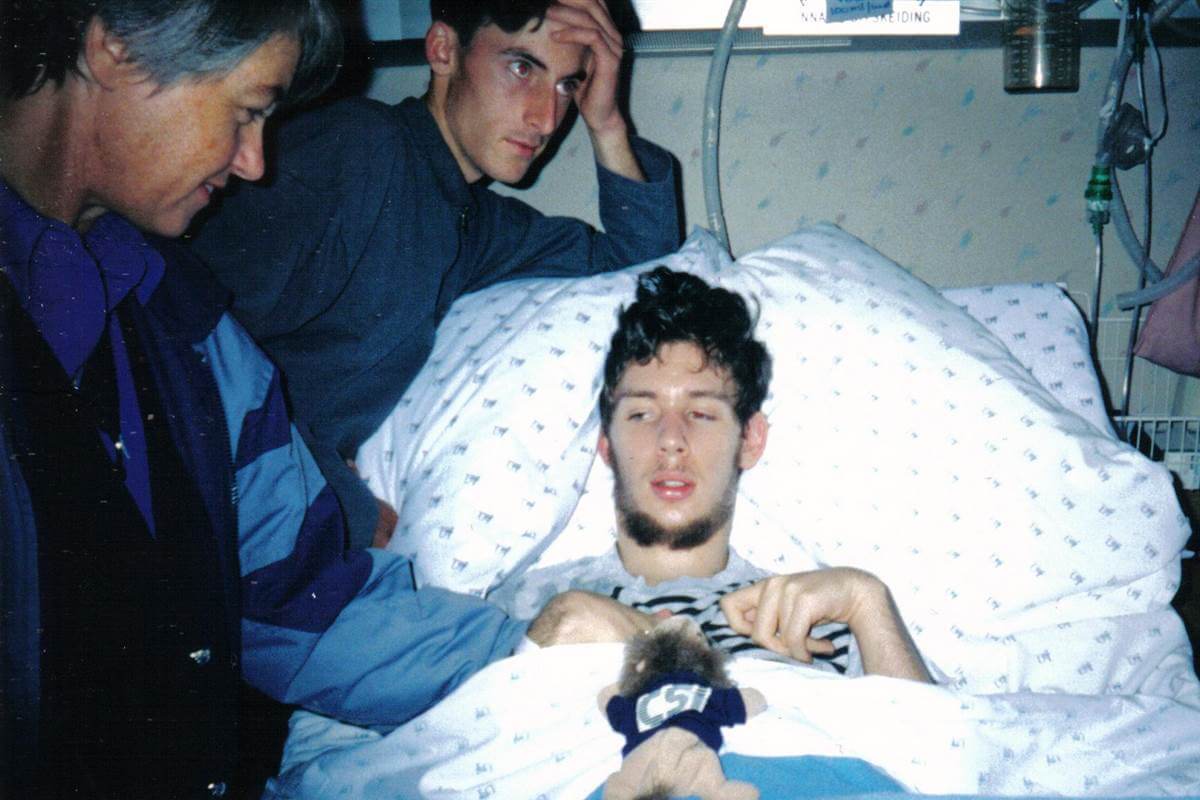
Doctors at the MassGeneral Hospital for Children faced an ethical challenge when a pair of conjoined twins born in Africa arrived last year seeking surgery that could save only one of them, according to a medical journal article due out Thursday.
The twins were connected at the abdomen and pelvis, sharing a liver and bladder, and had three legs.
An examination by doctors at the hospital determined that only one of the girls was likely to survive the surgery, but that if doctors did not act, both would die, said Dr. Brian Cummings, chairman of the hospital’s pediatric ethics committee.
…
The smaller twin, as expected, died following the 14-hour surgery conducted in mid-2016, but the survivor, now 3 years old, is recovering, Cummings said.
…
The case had posed the hospital with the challenge both of ensuring that the parents understood the risks of the procedure and that the hundreds of medical professionals needed to perform the complex series of operations to separate the children were comfortable with the ethics of the situation.
“For some people, it’s an act of killing and others see this as the only way I can help,” Cummings said. “We don’t want to put people in a place where they don’t think they’re doing good care.”
A non-psychoactive compound found in marijuana plants called cannabidivarin (CBDV) has shown promise in the treatment of severe cases of epilepsy. However, to treat just 10 per cent of people with epilepsy would require around 1500 tonnes of pure CBDV.
To obtain this amount using current methods, you would need to plant large quantities of marijuana and extract their small supply of CBDV. “There’s so little of this chemical in plants it would actually be impossible to harvest it by traditional means,” says Kevin Chen, who runs Hyasynth Bio, a start-up in Montreal, Canada.
That’s why the firm has turned to cellular agriculture, in which crops are made from cell cultures. It has added the chunk of cannabis DNA that codes for CBDV into yeast DNA, which turns the yeast into CBDV production plants. This allows for rapid, large-scale CBDV creation with none of the concerns around growing marijuana.
…
CBDV is just one of dozens of cannabinoids in the cannabis plant. If more medical applications are discovered for these, yeast-based production could rapidly generate them. “Many or all plant natural products used in the pharmaceutical industry will ultimately be produced by this technology,” says Kristy Hawkins, a founder of San-Francisco yeast biomanufacturer Antheia. “It is just a matter of time.”
[A] study published in the journal Proceedings of the Royal Society B: Biological Sciences in July suggests our bodies and minds may have evolved in ways that interfere with [the 8 hour sleep] schedule. And there may be a really good evolutionary reason that we’re not all morning people.
A long-standing theory in anthropology known as the “sentinel hypothesis” suggests that mammals have learned to sleep only when other members of the group are alert and able to keep watch. The theory has been shown to apply to many animal species, but not to people. Until now.
Researchers tested the sentinel hypothesis in humans by looking at the sleep patterns of a rural Tanzanian tribe. Over the nearly three weeks of the study, they found that 99.8 percent of the time, at least one adult in the tribe was awake. The adults averaged just over six hours of total sleep a night and spent nearly two-and-a-half hours awake each night after initially falling asleep. In short, they had widely different sleep schedules.
…
The results showed that the adults were all asleep at the same time for a mere 18 minutes during the entire 20 days of the study.
The GLP aggregated and excerpted this blog/article to reflect the diversity of news, opinion, and analysis. Read full, original post: So That’s Why Some People Are Night Owls And Others Are Up At The Crack Of Dawn
Designer babies are coming in 20 to 30 years. Your children will be able to select, to some degree, their own children’s hair color, eye color, and, possibly their intelligence. How can we make sure that everyone benefits from these capabilities, rather than reserving them for those with more cash?
…
To date, many national governments and states have banned gene editing of live human embryos. Governments have also banned genetic modifications of the human germline for imparting beneficial traits such as height or intelligence.
IVF combined with [preimplantation genetic diagnosis], or well-tuned CRISPR interventions, could become a boutique treatment for wealthy folks seeking an edge for junior. This might further exacerbate already noted trends of rising assortative mating, in which people of like backgrounds and positions tend to marry each other. This concentrates wealth or other benefits further in a society, augmenting inequality.
…
While genetic manipulation to save lives makes perfect sense, the process shouldn’t be used to merely improve the chances of success of those already born with inherited socioeconomic advantages. Designer babies should only be available if they are available to everyone.
A man recently “woke” from a vegetative state, crying again after “regaining consciousness,” creating a flurry of news coverage. Yet as exciting as this sounds, the case came with plenty of caveats. Many headlines rightly imply that the man was only minimally conscious, not much better than a vegetative state. He also died before the scientists published their paper. The truth is that you shouldn’t raise your hopes too high after single case studies.
…
It’s great to feel optimistic about this kind of progress if you’re hoping to one day see patients awake from many-year comas. But this work was based on a single case study published in Current Biology. That’s not how science works. What if it was a fluke, or the patient woke up on their own, or something else the scientists did actually caused the patient’s eyes to open? As blogger Neuroskeptic pointed out to me in an email, “The raters are also not mentioned as being blinded i.e. I think they knew all about the vagus stimulation. ”
…
Single cases like these are important and exciting. But we shouldn’t let the mask of a good story oversell what really happened. In this case, a man in a vegetative state began moving his eyes, and then died.
How have anti-GMO activist groups been so effective at preventing the introduction of new products, many with demonstrable benefits in boosting yield, reducing plant disease or increasing nutrition?
The Alliance for Food Sovereignty in Africa (AFSA), a well-funded anti-GMO organization that brings together most of the continent’s anti-GM civil society organizations, offers a prime example.
Using its familiar open letter style, AFSA posted an anti GM dossier titled, “Do not allow Africans to be used as guinea pigs in untested high-risk new GM technology.” This dossier, which is directed to African biosafety regulators, calls for an immediate ban on the importation into South Africa of what AFSA terms, “Monsanto’s high risk second generation gene-silencing genetically modified maize.”
Almost 90 percent of maize in South Africa is already genetically modified. This new version is based on a technique that silences the expression of certain genes. Nigeria has recently received an application for the field trials of a GM cassava variety that also use RNAi to reduce the amount of starch in cassava, preventing starch breakdown during storage
The letter was part of a coordinated campaign with other anti-GMO groups, including the African Center for Biodiversity, which claimed “the new gene editing technique has not been properly assessed for risk.”
To the NGOs, this is another example of a worldwide industry plot to take over Africa’s food supply. AFSA wrote it rejects and condemns what it characterized as a US corporate plot to exploit millions of Africans as unwitting guinea pigs for their latest genetic engineering experiment. The letter also did not spare the International Institute of Tropical Agriculture (IITA) for using what AFSA calls the same “risky” technology in producing GM cassava for the agro-fuels industry.
In 2014, AFSA wrote a similar open letter directed to the Gates Foundation in opposition to human feeding trials involving a GM banana, which were to take place at Iowa State University.
For a long time, most anti-GMO activists had either intentionally or ignorantly attacked GMOs as homogeneous products, regardless of the challenge each genetically engineered crop is meant to overcome. Regardless of whether it was herbicide tolerance or disease resistance or nutrient enhancement, critics viewed them all as GMOs, which they claimed were not safe. Now, because of the advent of gene silencing and gene editing — which do not require ‘foreign genes and therefore may not be regulated as traditional GMOs and have an easier path to approval — anti-GMO groups are beginning to identify the different techniques. Despite the insistence by scientists that genetic engineering is a process and not a product, this group is just waking up to the fact that not every “GMO” involves a gene from another species.
But that new awareness doesn’t make their claims any more credible.
Fact-checking AFSA’s claims
AFSA claims that RNi — or gene silencing technology, as it is commonly known — is new, with unknown safety parameters. It’s not. A paper authored by Richard W. Carthew on the Origins and Mechanisms of miRNAs and siRNAs, published by the National Center for Biotechnology Information in the US, shows that gene silencing technology was first put into practice in the early 2000s. RNA interference (RNi), also known as post-transcriptional gene silencing, was used to develop papaya varieties that are resistant to the Papaya Ring Spot Virus in response to the devastating attacks on papaya in Hawaii. The Rainbow and Sunup varieties were commercialized as early as 1998 and are still under cultivation in Hawaii.
I sent the RNAi safety issue AFSA letter to Francisco Jose Lima Aragao, a Brazillian molecular biologist who is a senior researcher at Emprapa Recursos Genéticos e Biotecnologia (Embrapa Genetic Resources and Biotechnology, Brasília) and responsible for the plant genetic engineering lab there. He said the Brazilian biosafety commission has already approved two crops developed with the gene silencing technology: a common bean resistant to the bean golden mosaic virus and maize resistant to the Western corn rootworm. However, he said these crop varieties are not yet in the market because Embrapa was unable to have enough seeds available for the farmers for planting, though he hopes farmers will have seeds soon. Farmers may not be interested in the scientific codes Aragao uses to describe the science behind the product, but surely they are eagerly awaiting for the arrival of these disease-resistant seeds on their farms.
Cassava brown streak virus.
In Africa, the RNAi technique was applied by the Virus Resistant Cassava for Africa (VIRCA) project to develop cassava lines resistant to cassava brown streak virus. These resistant lines are now a source of resistance which the now virus-resistant and nutritionally-enhanced cassava for Africa (VIRCA Plus) project is conventionally deploying to improve other farmer preferred cassava varieties in the East African Region. Cassava is considered a food security crop and is able to withstand periods of long drought.
Dishonest assertions
When trials were to be conducted for pro-vitamin A rich banana using American students at Iowa State University, AFSA activists claimed research should not be done in the US because Africans prepare bananas differently. As they stated in another open letter: “We question what firm conclusions can be drawn from feeding trials of young people residing in the United States for poor rural farmers and consumers in Africa, given all the differences in lifestyle and diets between these two populations.”
Now they are twisting the same argument to suit their agenda of keeping GMOs out of Africa despite no evidence of safety issues.
Similarly, AFSA uses what it claims to be lack of knowledge about crop biotechnology as a way of stopping progress because it does not agree with the existing, widely accepted science. Instead, AFSA offers up its own unverified claims, citing people affiliated with Western anti-GMO and organic industry groups. These included outrageous assertions, including an argument that the technology:
…is completely untested … and has the potential to disrupt all life on earth, including us. … We urge African policymakers to reject genetic engineering and support the transition to agro-ecology as the sustainable future of farming in Africa.
AFSA’s tactics make it obvious that safety issues are merely a smoke screen. The activists clearly do not want GMOs grown anywhere in the world. Yet, despite all the negativity surrounding adoption of GMOs, and activists’ condemnation of scientifically credible research institutions like the International Institute of Tropical Agriculture, farmers are choosing biotech solutions. As a result, the amount of acreage in biotech cultivation continues to grow each year, as documented by the ISAAA’s 2016 global report.
Isaac Ongu is an agriculturist, science writer and an advocate for science based interventions in solving agricultural challenges in Africa. Follow Isaac on twitter @onguisaac
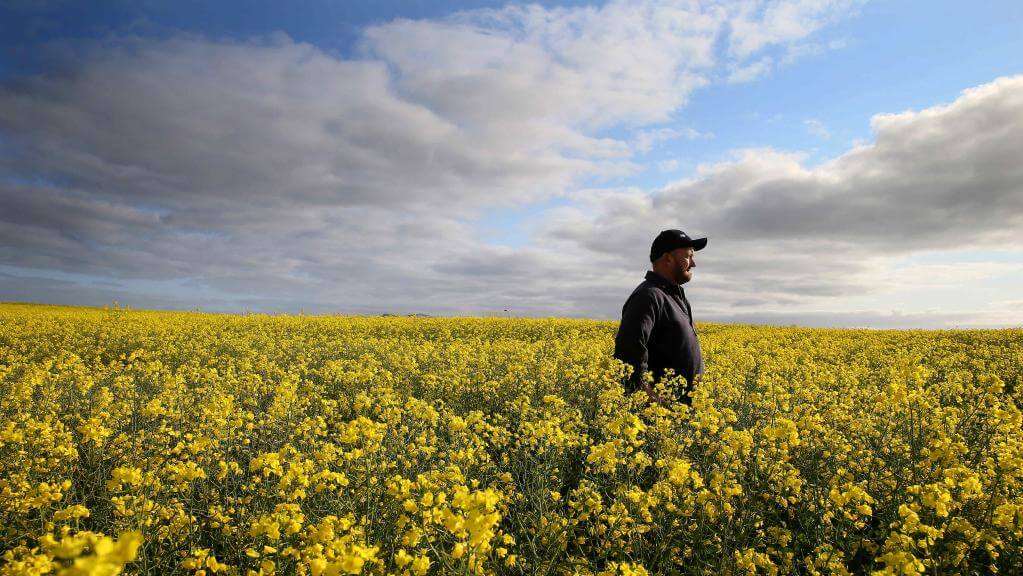
Food derived from 60 genetically modified crops can be imported into Australia, but local growers can only grow one GM food crop — canola.
GM proponents say complex and costly regulations, state bans and Australia’s small market mean local farmers cannot access a raft of genetically modified food crops.
Yet Food Standards Australia New Zealand has signed off on the import of food derived from GM potatoes, corn, soybeans, sugar beet and rice, which are found in many of the products sitting on Australia’s supermarket shelves.
…
CropLife Australia chief executive Matthew Cossey said the cost of getting a GM crop to market was about $170 million and could take up to 13 years of research and development.
“Regulatory approval accounts for one-third of that cost,” Mr Cossey said. “The Australian market is already quite small and the risk to business in bringing a product to market in Australia is very high.
He called for the removal of “unnecessary regulations” on GM crop innovations to allow access to plant breeding innovations, including scrapping GM bans in NSW, South Australia, and Tasmania.
The GLP aggregated and excerpted this article to reflect the diversity of news, opinion and analysis. Read full, original post: GM crops: Farmers fight for access while importers benefit from foreign crops
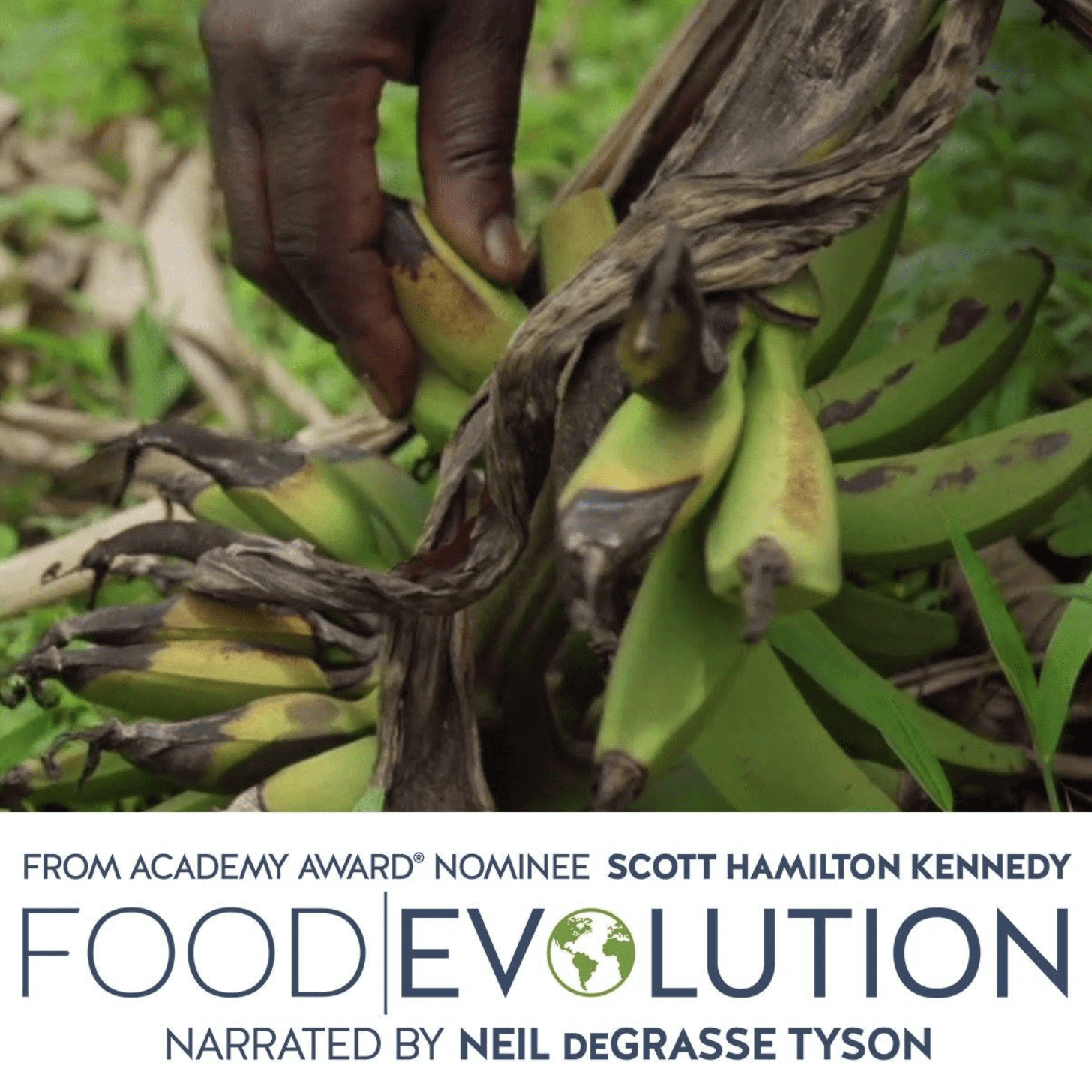
[Editor’s note: Patricia Nanteza is a science communicator at Uganda’s National Banana Research Program. The following is excerpted from her letter to the editor of Food Tank in response to this article.]
I was recently sent a link to Food Tank’s story [by Doug Gurian-Sherman] entitled, “Food Evolution Documentary Supports GMOs, but Not Science”, and after reading it I felt compelled to respond.
Doug Gurian-Sherman
…
At the National Banana Research Program (NBRP), we are very excited about the results of our research, “the plants tested 100% resistant to the disease” – Dr. Jerome Kubiriba, head of NBRP says here and I repeat it here. Doug Gurian-Sherman, I hope you heard that, 100 PERCENT RESISTANT. Earlier this year we planted our first multi-location field trial. And earlier this month Uganda finally voted the National Biosafety Bill of 2012 into law. This law will allow Ugandan farmers to finally grow GM crops in their fields.
Food Evolution is not propaganda. It documents the story of our banana fairly.
…
Sir, please, stop mudslinging our continent (Africa) and country (Uganda) and [the] ability [of] (scientists). We are only an email away – write to us and get the truth from people living and working this truth – African scientists carrying out this research.
The GLP aggregated and excerpted this article to reflect the diversity of news, opinion and analysis. Read full, original post: Readers React to GMOs
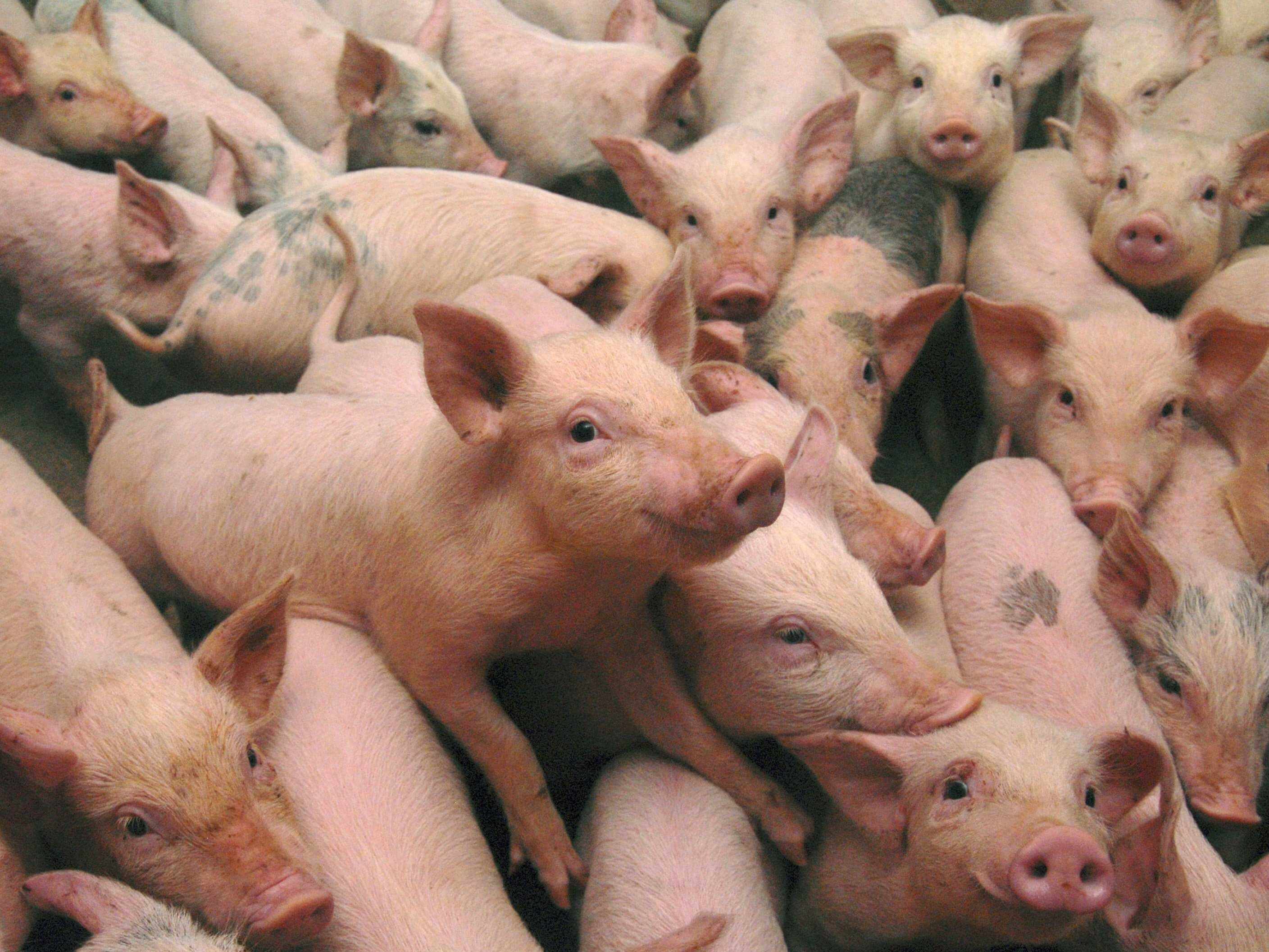
According to NPR’s All Things Considered, [genetically engineered pigs] could save farmers millions of dollars on heating and food.
…
This is a win/win situation … except for one thing. Paranoia about GMOs is so strong in the West that slender pigs — and similar innovations that could better the lives of people and other creatures — would probably never be approved in North America or Europe.
Which means we could be missing out on a lot of opportunities to use technology for humanitarian purposes.
…
When it comes to impeding well-tested genetically modified food and medications (and perhaps soon livestock) that can efficiently cut through much human (and animal) misery and hardship, the vigilance is being taken too far.
There is no scientific evidence that current GM crops have caused a single health problem in humans or animals. Yet they are heavily vilified…. Instead of harnessing the power GM crops offer to help the millions of malnourished people in the world, we spend our time denouncing them for being unnatural and profit-driven.
…
It’s time to start make scientifically sound decisions about GMOs and putting them to their highest uses, be that feeding the hungry or giving the animals we raise for food a more comfortable and healthy existence.
Two influential U.S. Congressmen have asked the World Health Organization’s cancer agency to get ready to testify about its work assessing if substances cause cancer, citing concerns about its “scientific integrity”.
Their letter to the International Agency for Research on Cancer (IARC), seen by Reuters and sent on Wednesday, is part of ongoing investigations by two Congressional committees into IARC that were fueled by the agency’s review of glyphosate, the primary ingredient of Monsanto Co’s weedkiller Roundup.
A letter to IARC director Chris Wild from the Republican chairmen of the House Committee on Science and the Subcommittee on Environment said they are “concerned about the scientific integrity” of IARC’s “monograph” program, which assesses whether various substances can cause cancer in people.
…
In a second letter seen by Reuters, the Congressmen, Lamar Smith and Andy Biggs, expressed concern that IARC’s assessment meetings, deliberations and drafts are not made public.
“It is an affront to scientific integrity to keep ‘confidential’ a scientific process that directly influences policy and individual taxpayers,” Smith and Biggs wrote.
[Editor’s note: Daylight saving time ends Sunday, Nov. 5 at 2 a.m. EST.]
October is a dismal time of year. The clocks go back, which accelerates the onset of darker evenings and the “shorter days” inevitably lead to calls for the tradition of putting clocks forward or backward to stop.
Of course, the annual return to Greenwich Mean Time (GMT) from British Summer Time (BST) doesn’t make the days any shorter, it merely shifts an hour of available daylight from the evening to the morning. For many, lighter evenings are a priority and little attention is given to the benefits of lighter mornings. Arguments over clock changes tend to revolve around benefits for easier travel in lighter evenings. Nevertheless research suggests that holding onto lighter mornings might have hitherto unforeseen advantages. Light in the morning – more than any other time of day – leads to powerful brain-boosting effects, helping us to function as best we can, despite the approaching winter.
All life on Earth has evolved around the 24-hour cycle of light and dark. An obvious sign is our desire for night-time sleep, but most biological functions are fine-tuned around day and night. Our bodies are honed to environmental light via a biological chain reaction.
Chain reactions
Light intensity is detected by special cells in the retina and this information is relayed to the internal body clock, located deep in a part of the brain called the suprachiasmatic nucleus. This sits in the hypothalamus, responsible for regulation of internal body processes using the endocrine system, which is linked to hormone secretion, via the pituitary gland. We are unaware of these light messages as they have nothing to do with conscious vision. Their sole job is to internalise information about environmental light intensity.
The biological chain reaction continues with the brain driving the secretion of the hormone cortisol appropriate for the time of day – low levels in the dark and higher levels in the light. Cortisol is a powerful hormone with widespread effects on the brain and body. It is well known as “the stress hormone” but it is this underlying 24-hour pattern that keeps us healthy.
A robust burst in cortisol secretion occurs in the first 30 minutes after waking up. This is called the cortisol awakening response (CAR), and crucially this CAR is bigger when we wake up with light. So lighter mornings increase the CAR which in turn promotes better brain function so that we can tackle the day ahead.
We have previously shown that people most badly affected by the changing seasons (those with seasonal affective disorder (SAD)) had lower CARs when waking up in the dark winter months. This was compared to a group of people not affected by changing seasons in winter as well as themselves in summer.
Furthermore, those reporting greater seasonal depression, stress, anxiety and lower arousal exhibited the lowest winter CARs. However, winter awakening with the aid of an artificial light (dawn simulation) was able to restore the CAR. This finding is consistent with light exposure, especially morning light, being the most effective treatment for the winter blues.
More recent research has explored what the CAR does in more detail, as part of healthy cortisol secretion. A bigger burst of cortisol in the morning (the CAR) has been linked with better brain plasticity (the capacity to learn) and function – especially better goal-setting, decision-making and planning (what we call the executive function). Indeed the decline in the CAR with ageing has been associated with worse executive function.
Morning awakening is a striking and important biological event – the tipping point of the day. A rapid burst of cortisol secretion kickstarts the day by synchronising widespread biological systems. This powerful hormone rapidly sweeps throughout the body where it is recognised by receptors on all body cells. These receptors generate the next stage in the biological chain reaction to ensure we are appropriately prepared and energised for the challenges of the day ahead. Smaller CARs mean we do not function optimally.
So on dark winter mornings it can be more difficult to mount a robust burst of cortisol in the morning. This is because both awakening and light are the stimuli for this crucial tipping point of the day. A lack of light in the morning can diminish the biological chain reaction and make many of us feel below par and not function at full throttle. Ironically this would be most marked for those that are in any way affected by the seasons. So those who complain most about the dark days are probably the most likely to benefit from light in the morning, rather than the evening.
Genetically modified (GM) crop technology is not the answer to helping UK farmers produce more food, according to the head of the country’s top crop research facility.
Achim Dobermann, chief executive of Rothamsted Research, said GM technology could be a useful tool in some areas, but growing commercial biotech crops in the UK would not bring huge benefits.
…
Doberman said there were too many barriers for GM to be accepted and adopted in the UK and across Europe.
Achim Dobermann
Public criticism of the technology was so fierce that it made sense to focus efforts on new technologies that were less controversial and potentially more beneficial to producers, he added.
“I don’t think GM is the major solution for agriculture,” said Prof Dobermann. “Ten years ago, if you spoke to people like me, we would have said that certain challenges require a GM solution.
“But we don’t need that anymore, because we can do it with more advanced breeding technologies. The advancement of gene editing – which is a very different thing to GM – will change the whole picture.”
Aflatoxin contamination in peanuts poses major challenges for vulnerable populations of sub-Saharan Africa and South Asia. Developing peanut varieties to combat preharvest Aspergillus flavus infection and resulting aflatoxin contamination has thus far remained a major challenge….
Our study reports achieving a high level of resistance in peanut by overexpressing (OE) antifungal plant defensins MsDef1 and MtDef4.2, and through host-induced gene silencing (HIGS) of aflM and aflP genes from the aflatoxin biosynthetic pathway.
…
This is the first study to demonstrate highly effective biotechnological strategies for successfully generating peanuts that are near-immune to aflatoxin contamination, offering a panacea for serious food safety, health and trade issues in the semi-arid regions.
…
Our data show that using two different interventions, we achieved aflatoxin levels in peanut that are nondetectable or as low as 1–2 ppb, within the safety limits. This finding is of high significance as there are no resistant peanut lines/varieties available that demonstrate resistance levels even remotely closer to the US or EU legislative limitation of <20 ppb and <4 ppb aflatoxin, respectively.
Data presented here suggest that co-expression of antifungal defensins and hpRNAs targeting mycotoxin genes in transgenic peanuts could boost immunity, potentially resulting in absolute aflatoxin control.
[Editor’s note: Jake Freestone is the manager of an arable and sheep LEAF Demonstration Farm in Tewkesbury, England.]
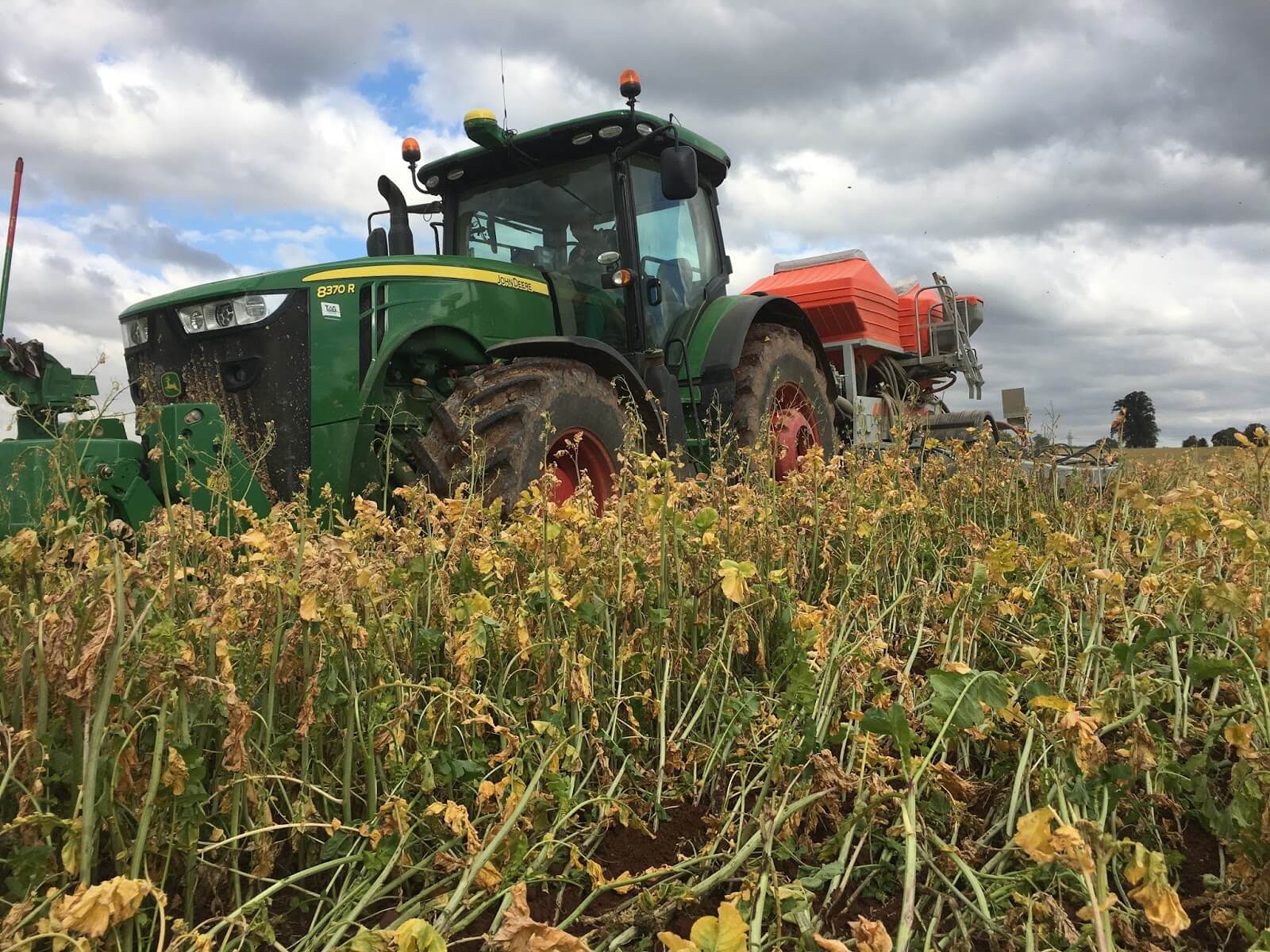
[N]o-till or zero-till, is under threat from misinformed lobby groups trying to get the active ingredient ‘glyphosate’ banned from all of our European crop production systems. It is a very safe herbicide, (weedkiller) that we use instead of cultivation to kill weeds and cover crops, prior to planting our next crop. It has been a valuable tool available to farmers for the last 40 years. Without glyphostate there will be serious implications to our food security and the negative effects of cultivation, (listed above) in terms of mechanical weed control will return. It is used across the world and is one of the most rigorously tested of any pesticide, that is currently registered for use.
…
Without glyphostate, as part of an Integrated Farm Management approach, UK yields of wheat and oilseed rape (canola) will drop by about 20%, primarily due to weed competition. We will need to use 546,000 Ha more land to replace this lost production.
…
I know that not being able to use this proven, safe chemical will impact severely on what we do and how we do it; eroding the positive environmental benefits of no-till farming.
The GLP aggregated and excerpted this article to reflect the diversity of news, opinion and analysis. Read full, original post: Glyphosate – A Key Ingredient













 So on dark winter mornings it can be more difficult to mount a robust burst of cortisol in the morning. This is because both awakening and light are the stimuli for this crucial tipping point of the day. A lack of light in the morning can diminish the biological chain reaction and make many of us feel below par and not function at full throttle. Ironically this would be most marked for those that are in any way affected by the seasons. So those who complain most about the dark days are probably the most likely to benefit from light in the morning, rather than the evening.