[Editor’s note: Sara Linker and Tracy Bedrosian are postdoctoral research fellows in the Laboratory of Genetics at the Salk Institute for Biological Studies, where Fred Gage is a professor.]
For years, neurons in the brain were assumed to all carry the same genome, with differences in cell type stemming from epigenetic, transcriptional, and posttranscriptional differences in how that genome was expressed. But in the past decade, researchers have recognized an incredible amount of genomic diversity, in addition to other types of cellular variation that can affect function. Indeed, the human brain contains approximately 100 billion neurons, and we now know that there may be almost as many unique cell types.
…
This genetic, molecular, and morphological diversity of the brain leads to functional variation that is likely necessary for the higher-order cognitive processes that are unique to humans. Such mosaicism may have a dark side, however. Although neuronal diversification is normal, it is possible that there is an optimal extent of diversity for brain function and that anything outside those bounds—too low or too high—may be pathological.
…
If neurons diversify and become too specialized to a given role, they may lose the plasticity required to change and function normally within a larger circuit. As researchers continue to probe the enormous complexity of the brain at the single-cell level, they will likely begin to uncover the answers to these questions—as well as those we haven’t even thought to ask yet.
In our effort to find the answers to some of the most afflicting conditions and diseases known to science, biologists are rapidly turning to mapping the human genome to help us solve some of the great questions, such as: why do some people get certain diseases while others don’t?
…
One such way [pharma company AbbVie and VP of discovery Jim] Sullivan are figuring that out is with the recent collaboration with Genomics Medicine Ireland (GMI), an Irish life sciences company leading large-scale, population-based genome research studies on the island of Ireland, examining the relationship between genetics, health and disease.
Founded in 2015, GMI earlier this year announced it was to partner with AbbVie and global contract genomics organisation WuXi NextCODE on a 15-year project to sequence 45,000 genomes from volunteer participants across Ireland, to seek new insights into the biological processes that underlie complex diseases.
…
In the first four to five years of this partnership, Sullivan hopes that quality data science will help it and the other two parties involved to better understand the genetic underpinnings and the genes that are driving many health conditions, and explore ways that could be helpful in clinical trials.
Hans Christian Andersen’s celebrated tale has served as an admirable metaphor for deception since its publication in 1837. It tells the tale of an Emperor who unknowingly parades naked before his subjects in a new suit of imaginary clothes sold to him by two swindlers. The truth is only revealed after a small child cries out, “But he has nothing on.” The recent EU high-level conference on “Modern Biotechnologies in Agriculture – Paving the way for responsible innovation”, highlighted that 180 years on from Andersen’s classic tale, deception remains rampant.
EU Commissioner for Health and Food Safety, Vytenis Andriukaitis called the meeting to discuss whether new breeding techniques (NBTs) should be classified as conventional, and accordingly be left out from those regulations that are in force for genetically modified (GM) plants. We are talking about recently developed methods that enable controlled and precise gene-editing and have been already used to give plants desired properties, similarly to those encountered throughout evolution.
Hannes Kollist, professor of molecular plant biology at the University of Tartu
There is a major difference between NBTs and GM methods. Many of these techniques do not introduce foreign DNA and often the resulting organisms have just a single nucleotide change to their DNA sequence: something that readily happens every time a DNA strand is naturally replicated.
New gene editing technologies are already revolutionizing every field in life sciences, from plant breeding to human medicine. Obviously, these technologies will be effectively used in plant breeding and benefit in finding ways to boost nutritious plant growth while helping to minimize pesticide use, thus perfectly assisting organic farming objectives.
But instead of discussing the conference’s agenda, roughly 300 respected experts gathered and spent an entire day discussing unproven risks and the need for labelling organisms where NBTs are applied.
One of the priorities of the Estonian Presidency of the European Union is the development of an open and innovative economy. And I was proud to listen to the welcome speech given by Estonia’s rural affairs minister Tarmo Tamm, where he clearly stated that in addition to conventional breeding, the EU needs research-based solutions that have the potential to speed up breeding in a sustainable manner.
It would not be wise nor would it keep anyone more safe if these new technologies are brushed off as ‘dangerous’ without any real consideration.
Nevertheless, we spent the day in Brussels discussing scientifically unproven myths and legends concerning GM plants and NBTs. “There is no monopoly for being green”, Andriukaitis said to a Greenpeace representative at the meeting. I fully agree, I am ‘green’ as well, whenever possible I eat local unprocessed food, I am a hobby shepherd, and I am convinced that biodiversity is something we should be concerned about, as it’s vital to mankind’s sustainable development.
However, concerning the campaign against NBTs there is no doubt that this is one of the biggest public lies currently circulating and I simply do not understand how it is possible that despite all the facts 300 experts gathered in Brussels and no one dared to say that the Emperor was actually naked.
We should consider whether we want Europe to become a History Theme Park show-casing a “Museum of Agriculture” or whether we should aim to increase Europe’s competitiveness and be part of the next green revolution, possibly triggered by new innovative plant breeding techniques that will be a key component of sustainable development.
The EU and its institutions are perhaps the best possible platform that can be used to achieve this.
Hannes Kollist is a professor of Molecular Plant Biology and leads the Plant Signal Research Group at University of Tartu, Estonia. Follow him on Twitter @HannesKollist
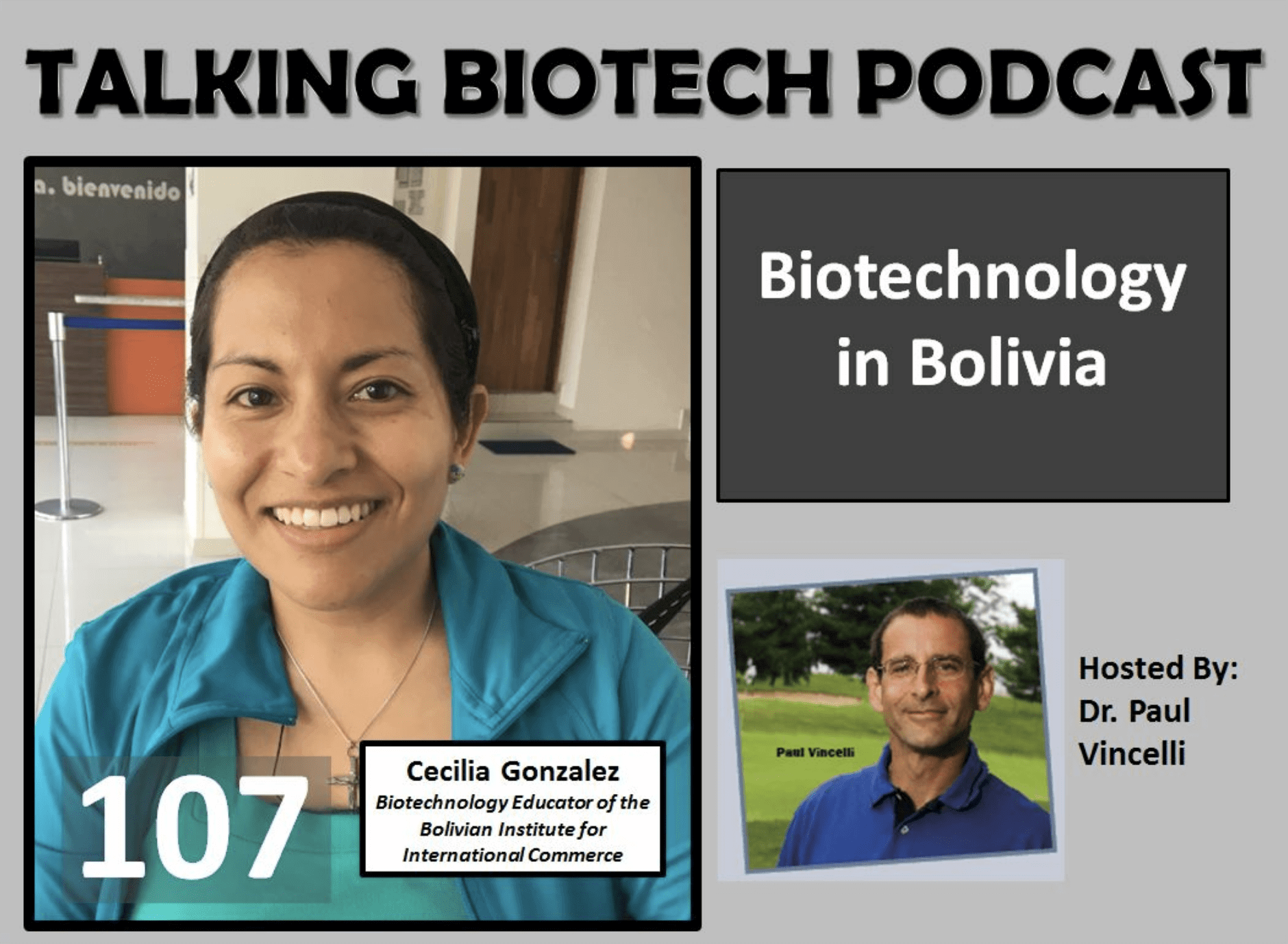
Bolivia shares farming similarities with other South American countries. They have diverse land races and native crops that they wish to preserve. At the same time some wish to take advantage of modern genetic tools. Cecilia Gonzalez was a skeptic, someone who didn’t trust multinational corporations and certainly didn’t trust their technology. As time went on she learned more about the technology and now is an outspoken educator in the area of genetic engineering.
Bolivia is at a crossroads. They have an opportunity to become larger producer, and currently are importing corn and other GE crops from Argentina and other South American countries. Activists offering are trying to stop adoption of the technology. Because of their inability to deregulate GE varieties Bolivia unfortunately cannot compete with other countries, and their farmers suffer the consequences. You can sense Cecilia Gonzalez’s frustration and her love of her country, and the conflict that comes from a desire to implement affordable, sustainable farming to help Bolivians.
At first glance, “species” is a basic vocabulary word school children can ace on a test by reciting something close to: a group of living things that create fertile offspring when mating with each other but not when mating with outsiders. Ask scientists who devote careers to designating those species, however, and there’s no typical answer.
…
Modern genetics has revealed that much of the diversity of life on Earth is found in single-celled organisms that reproduce asexually by splitting in two — thus flummoxing the definition.
…
[P]lant reproduction, oy. The blends of sex and no-sex don’t fit into a tidy biological species concept.
…
Species definitions can have ramifications, financial and otherwise, for the wider world. Choosing one species concept over another can change how a creature gets classified, which could determine whether conservation laws protect it.
…
No matter how badly we want the process of applying a species definition to be clear-cut for all creatures in all cases, “it just isn’t,” [Smithsonian biologist Kevin] de Queiroz says. And that’s exactly what evolutionary biology predicts. Evolution is an ongoing process, with lineages splitting or rejoining at their own pace. Exploring a living, ever-evolving world of life means finding and accepting fuzziness.
The GLP aggregated and excerpted this blog/article to reflect the diversity of news, opinion, and analysis. Read full, original post: Defining ‘species’ is a fuzzy art
Gene editing technology could revolutionize the way scientists breed high-yielding drought, disease and pest resistant, quality plant seeds, greatly reducing the time it currently takes to develop new varieties, said a panel of expert scientists at the Borlaug Dialogue conference in Des Moines, Iowa.
Using CRISPR-Cas9 to select or suppress desired traits in a genome is almost as simple as editing a Microsoft Word document on a computer, said Feng Zhang, the originator of the technology who is a core member of the Broad Institute of MIT and Harvard.
…
CIMMYT [International Maize and Wheat Improvement Center] scientists aim to use the breakthrough technology to help smallholder farmers in the developing world address food security, nutrition shortcomings and economic threats to their livelihoods caused by climate change, pests and disease. Additionally, they see the potential to reduce the use of pesticides, and to boost nutrition through bio-fortification of crops.
“We want sustainable agriculture that provides food and nutrition security for all, while enabling biodiversity conservation,” [said Kevin Pixley, who leads the Seeds of Discovery project and the Genetic Resources Program at CIMMYT]. “CRISPR-Cas9 is an affordable technology that can help us close the technology gap between the resource rich and resource poor farmers of the world.”
To stay up to date on all the news in human and agricultural genetics, subscribe to our daily and weekly email newsletters in the top right corner of this page, and follow us on Facebook and Twitter.
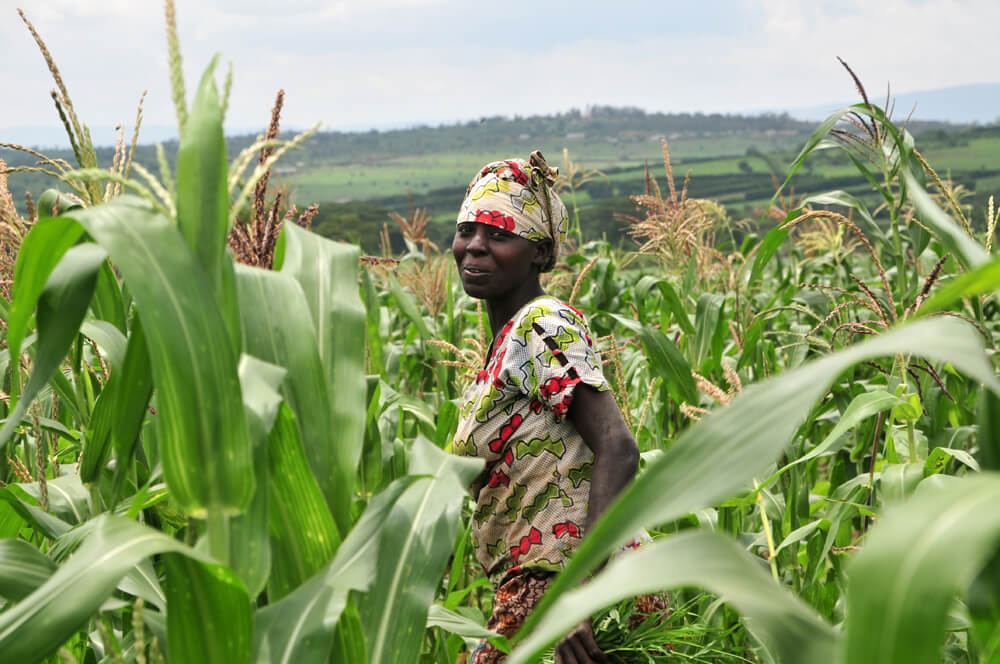
Cassava brown streak disease can keep a cassava farmer awake at night. It can lead to complete crop loss, is difficult to detect and resistant varieties of the crop are proving to be not-so-resistant.
…
“It’s an epidemic in eastern Africa, and by all accounts, this is going to get to West Africa, and it’s going to hit Nigeria,” said Nigel Taylor, interim director of the Institute for International Crop Improvement at the Donald Danforth Plant Science Center located in St. Louis, Missouri. “Nigeria is the largest cassava-producing country in the world. There will be a food security issue when it gets there.”
Nigel and other researchers are working to stay ahead of cassava brown streak using a new technology: Clustered Regularly Interspaced Short Palindromic Repeat, or CRISPR. CRISPR allows geneticists to identify a specific genetic sequence within an organism’s DNA, bind an enzyme to that sequence and cut it off, effectively shutting off the expression of the genes in the targeted sequence.
…
CRISPR technology has edited two genes in cassava, disabling the virus’s ability to replicate and infect the plant. Scientists plan to edit the remaining five genes that influence the disease in the coming months.
The GLP aggregated and excerpted this article to reflect the diversity of news, opinion and analysis. Read full, original post: CRISPR Gene Editing Aims to Improve ‘Orphan Crops’
A weed killer called dicamba has damaged more than 3.6 million acres of soybean crops, or about 4 percent of all soybeans planted in the United States this year, the Environmental Protection Agency said November 1 in calling for an urgent federal response.
“It is not often that we hear about impacts of this magnitude,” said Rick P. Keigwin Jr., the director of the E.P.A.’s pesticide program.
Dicamba has been used starting this year on genetically modified soybean and cotton crops that are grown from seeds created to be tolerant to weed killers. The problem is that the herbicide can drift off the fields where it is being applied, landing on nearby farms where conventional soybean seeds have been planted.
The damage estimates were presented during a meeting Wednesday called by the E.P.A. and attended by pesticide manufacturers, state agriculture officials, farmer groups and environmentalists.
The pioneers of the sustainable farming movement are mourning what they call the downfall of the organic program, following a Wednesday [Nov. 1] night vote by a group of government farming advisers that could determine the future of the $50 billion organic industry.
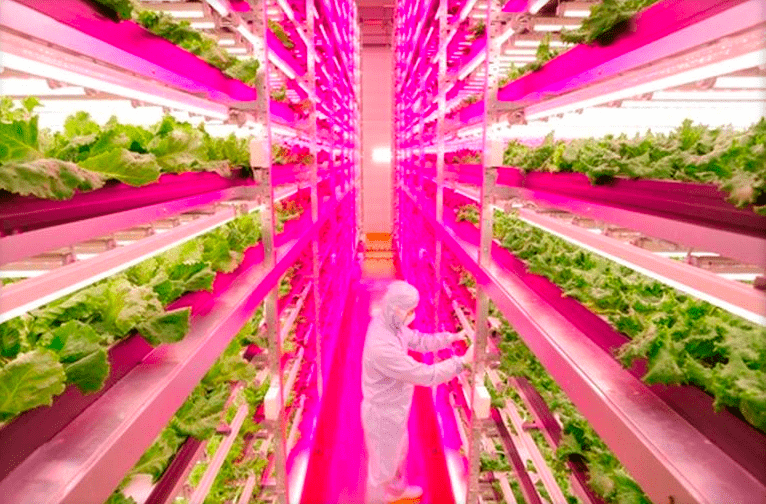
At issue was whether a booming generation of hydroponic, aquaponic and aeroponic farms — which grow plants in nutrients without using soil, frequently indoors — could continue to sell their produce under the “organic” label.
In a series of narrow votes, an advisory board to the U.S. Department of Agriculture voted to allow the majority of these operators to remain a part of the organic program, dealing a blow to the movement’s early leaders.
Organic pioneers have argued that including hydroponic produce under the label has undermined the integrity of the program they fought decades to establish, and at a time when it is already under intense scrutiny. Some have said they will consider leaving the USDA-regulated program entirely.
…
Their advocates have argued that soilless farming is consistent with the goals of the organic program: It utilizes organic fertilizers and cuts down on pesticide and water use — often to levels much lower than those on land-based organic operations.
Known broadly as the MyCode Community Health Initiative and run by the Danville-based Geisinger Health System, the effort has so far sequenced the protein-coding DNA, or exomes, of more than 92,400 people. More than 166,000 have enrolled in the study, and the goal is to ultimately enlist half a million of the nonprofit’s 3.3 million patients.
…
Beyond the ethical, medical, and scientific issues being explored by Geisinger is the crucial question of whether widespread genomic screening as a preventive medical measure is cost-effective. Regeneron is paying for each patient’s initial DNA sequencing, in return for access to those data and Geisinger’s health records, but that isn’t likely to be practical nationwide.
…
GenomeFIRST tells patients about mutations in 76 genes that have been linked to 27 conditions, ranging from breast cancer to heart disease. All the conditions can be treated through surgery, pharmaceuticals, or lifestyle changes, or prevented altogether, says Michael Murray, Geisinger’s head of clinical genomics. Disease gene variants with no clear-cut medical treatments, such as APOE4, which raises the risk of Alzheimer’s disease, are not disclosed. Early indications are that about 3.5% of study participants will discover that their genomes harbor a disease-linked DNA variant, so Murray expects the impact of the population-wide scanning to be “profound.”
We all know the rule of thumb for going grocery shopping: Do not do it when you’re hungry; Hunger has an insidious way of making you put items in your shopping cart which otherwise would never have made it there.
Here’s another question about how hunger mechanisms impact how you function: When you’re hungry, have you ever felt like you have a harder time remembering things? There’s a simple biological explanation for this: When your body is priming itself for eating, it doesn’t want to expend unnecessary energy in intensive activities such as thinking.
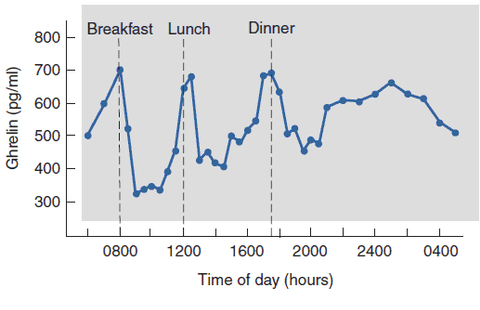
But hunger in fact has a very subtle linkage with thinking itself, or more accurately, with memory. One of the ‘hunger hormones’ that triggers our appetite and metabolism is called ‘ghrelin,’ and is a stomach-derived hormone. When you go too long without eating, your body produces more ghrelin to stimulate the pursuit of food energy, and after you’ve eaten, ghrelin signals to the central nervous system the presence of nutrients in the digestive tract. Beyond increasing appetite, ghrelin is also known to be associated with regulating metabolism, modulating inflammation, increasing cardiac effectiveness, and increasing the growth hormone, insulin-like growth factor 1. It therefore principally works as an energy consolidation hormone.
How ghrelin levels correlate with appetite stimulation
Gene sequencing has identified 12 variants (single-nucleotide polymorphisms) in the gene which produces ghrelin, and eight known variants of the gene for the ghrelin receptor (a protein that exists on the target cell that allows ghrelin to ‘dock’ and work its effects). Taken as a suite of metabolic contributors (the things that help regulate our metabolism), there are associations between the genes for ghrelin and its receptor with eating behavior, storage of energy, and insulin resistance. Studies of individuals with genetic variation in ghrelin and its receptor show differences in eating and insulin behavior. This makes logical sense, since ghrelin is unique as a peripheral hormone in its ability to contribute to positive energy balance by stimulating eating and also reducing caloric metabolism.
But there’s more to the story of ghrelin, too: It has been associated with increasing the hedonic (pleasure) value of food and feelings of reward which come from eating. This seems an awful lot like a component of what the neurotransmitter dopamine is responsible for: The pursuit of reward.
For any hormone to work, it needs a receptor to trigger. There are ghrelin receptors (GHSR1a) in the brain, but their role is not for metabolic effects, but instead, some researchers argue they exist to augment the formation of memories.
Remarkably, it has been observed by researchers that the ghrelin receptors are functioning in tandem with the dopamine receptors to allow for proper functioning of the hippocampus in memory consolidation, as well as synaptic reorganization and synaptic plasticity. You may have heard ‘neuroplasticity‘ mentioned on commercials for various pieces of brain-training software. It’s simply a term which refers to the brain’s ability to remain cognitively adaptive to new and different mental challenges. It does this by growing neurons and expanding neuronal connections.
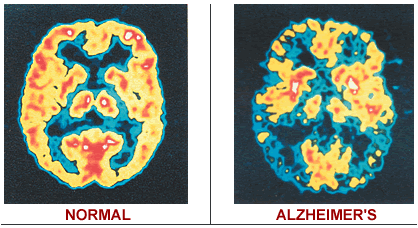
The proposed mechanism works like this: The ghrelin receptor (without any ghrelin present) changes the structure of the dopamine receptor and alters the way it signals in the brain. The hippocampus has coexpressed genes (i.e. the proteins they code for are produced at the same time) for ghrelin receptors and dopamine receptors (DRD1), presumably because both are important. When researchers blocked the ghrelin receptor from being able to interact with the dopamine receptor, memory formation was prevented. There’s a strong association with certain neurodegenerative disorders and neuronal loss. This loss could potentially be mitigated by ghrelin-based treatments, because neuroplasticity encourages the growth and proliferation of neurons – and thus reverting some of the mechanistic causes of neuronal impairment and loss (such as in Alzheimer’s, Parkinson’s, and stroke). If the ghrelin receptor can be triggered to fine-tune the activity of the dopamine receptor, there’s also a tremendous opportunity for enhancing or inhibiting the function dopamine with fewer side effects than currently-existing therapies.
Ben Locwin is a behavioral neuroscientist and astrophysicist with a masters in business, and a researcher on the genetics of human disease. BIO. Follow him on Twitter @BenLocwin.
Anti-biotech activists hate the herbicide glyphosate, sold by Monsanto under the brand name Roundup. Those activists won a victory in 2015, when the World Health Organization’s International Agency for Research on Cancer (IARC) issued a report classifying glyphosate as a “probable human carcinogen.” That conclusion stood in stark contrast to the findings of every regulatory agency that has evaluated glyphosate over the past two decades, all of which have found the herbicide safe for people and the environment.
How did the World Health Organization diverge so sharply from the scientific consensus? By suppressing extensive evidence of glyphosate’s safety. [October 2017] Reuters acquired a draft copy the IARC’s glyphosate report. In the chapter on animal testing, references to numerous studies that found no link between glyphosate and cancer had been systematically deleted. The IARC refused to explain how that happened other than to refer to its consensus review process.
Meanwhile, a subsequent analysis of how the IARC evaluated the animal testing studies found that “the classification of glyphosate as a probable human carcinogen was the result of a flawed and incomplete summary of the experimental evidence.”
[Editor’s note: Robert Plomin is deputy director of the MRC Social, Genetic and Developmental Psychiatry Center at King’s College London.]
Scientists have investigated this question for more than a century, and the answer is clear: the differences between people on intelligence tests are substantially the result of genetic differences.
But let’s unpack that sentence. We are talking about average differences among people and not about individuals. Any one person’s intelligence might be blown off course from its genetic potential by, for example, an illness in childhood. By genetic, we mean differences passed from one generation to the next via DNA. But we all share 99.5 percent of our three billion DNA base pairs, so only 15 million DNA differences separate us genetically.
…
Genes make a substantial difference, but they are not the whole story. They account for about half of all differences in intelligence among people, so half is not caused by genetic differences, which provides strong support for the importance of environmental factors.
…
Researchers are now looking for the genes that contribute to intelligence. In the past few years we have learned that many, perhaps thousands, of genes of small effect are involved. Recent studies of hundreds of thousands of individuals have found genes that explain about 5 percent of the differences among people in intelligence. This is a good start, but it is still a long way from 50 percent.
The GLP aggregated and excerpted this blog/article to reflect the diversity of news, opinion, and analysis. Read full, original post:Is Intelligence Hereditary?
[Editor’s notes: Marta Iglesias is a predoctoral researcher in the Champalimaud Neuroscience Programme, Lisbon. Her research is focused on how evolution shapes brains and behavior in competitive contexts such as mate selection and aggression.]
Among feminists, there exists a pervasive tendency to believe that animals and humans play different roles in the world, and are subject to different rules. Some ascribe this difference to ‘culture’ or ‘intelligence,’ while others ascribe it to ‘society.’ However, this alleged distinction between humans and other animals does not stand up well under scrutiny. Certainly, our cultural dimension affects the way we reproduce, but we cannot modify it much. This is because the mechanisms we have evolved to choose a mate and to reproduce are a product of our biology, passed down a long lineage of successful breeders.
…
These differences manifest as the differences we observe in our daily lives: from the toys we prefer when we are small to the products we consume when we are adults; from the tendency to be the object of bullying or its perpetrator to the likelihood of causing a traffic accident; from the posture we adopt when we sit in the underground to the importance we attach to career status.
…
We can more productively fight gender problems if we acknowledge naturally occurring differences upon which we can work, instead of imposing rules that only increase misunderstanding, allow fallacies to proliferate, and instrumentalise fear as a motor for change.
The GLP aggregated and excerpted this blog/article to reflect the diversity of news, opinion, and analysis. Read full, original post: Why Feminists Must Understand Evolution
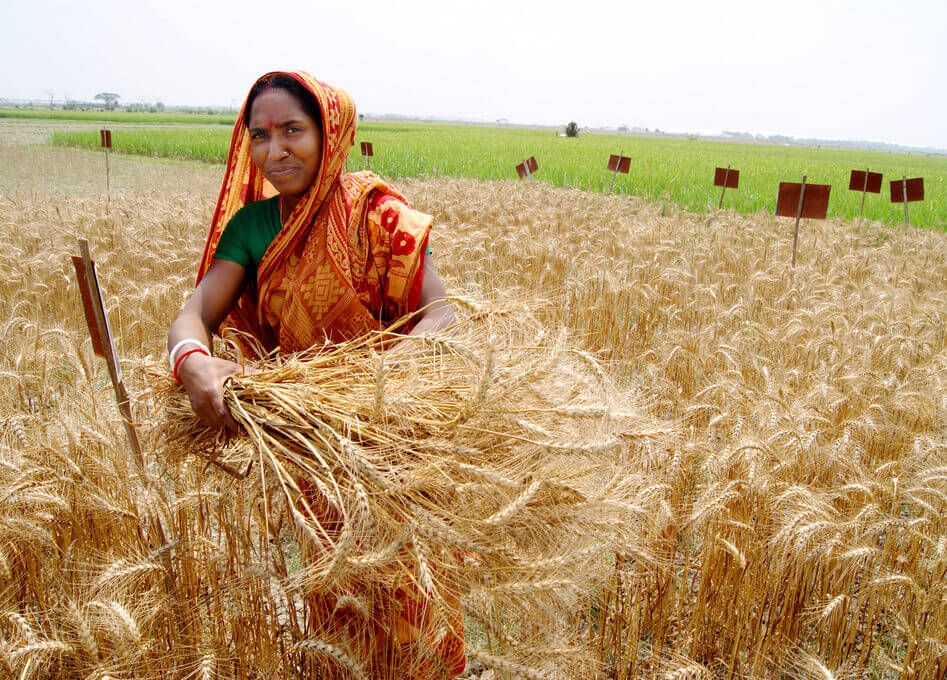
As wheat farmers in Bangladesh struggle to recover from a 2016 outbreak of a mysterious disease called “wheat blast,” the country’s National Seed Board (NSB) released a new, high-yielding, blast-resistant wheat variety, according to a communication from the Wheat Research Centre (WRC) in Bangladesh.
Called “BARI Gom 33,” the variety was developed by WRC using a breeding line from the International Maize and Wheat Improvement Center (CIMMYT), a Mexico-based organization that has collaborated with Bangladeshi research organizations for decades….
Caused by the fungus Magnaporthe oryzae pathotype triticum, wheat blast was first identified in Brazil in 1985 and has constrained wheat farming in South America for decades. Little is known about the genetics or interactions of the fungus with wheat or other hosts. Few resistant varieties have been released in Brazil, Bolivia and Paraguay, the countries most affected by wheat blast.
…
Chemical controls are costly and potentially harmful to human and environmental health, so protecting crops like wheat with inherent resistance is the smart alternative, but resistance must be genetically complex, combining several genes, to withstand new mutations of the pathogen over time.
The GLP aggregated and excerpted this article to reflect the diversity of news, opinion and analysis. Read full, original post: First blast resistant, biofortified wheat variety released in Bangladesh
The majority of Bt maize production in the European Union (EU) is concentrated in northeast Spain, which is Europe’s only hotspot where resistance might evolve, and the main target pest, Sesamia nonagrioides, has been exposed to Cry1Ab maize continuously since 1998.
The cropping system in northeast Spain has some similar characteristics to those that probably led to rapid resistance failures in two other target noctuid maize pests.
…
Available data reveal no evidence of resistance in S. nonagrioides after 16 years of use.
We explore the possible reasons for this resistance management success using evolutionary models to consider factors expected to accelerate resistance, and those expected to delay resistance.
Low initial adoption rates and the EU policy decision to replace Event 176 with MON 810 Bt maize were key to delaying resistance evolution.
Model results suggest that if refuge compliance continues at the present 90%, Bt maize might be used sustainably in northeast Spain for at least 20 more years before resistance might occur.
…
Although some may consider this a long time, it is important to confirm these key assumptions and to implement strategies that postpone resistance further into the future.
There are 86 billion neurons in the human brain and no two of them are exactly alike. If doctors and drugmakers ever hope to develop cures for neurological disorders like epilepsy, Alzheimer’s, autism, or Parkinson’s disease, they’ll first need to understand how each of these very different brain cells work together to build our memories, steer our actions, and preserve our sense of self.
The Allen Institute for Brain Science has been working on just such a “periodic table” of human brain cell types and recently released the first data on 300 human neurons, complete with 3D reconstructions of 100 brain cells and detailed information about each neuron’s unique electrical signature. The data was collected from living human brain tissue that was raced to a lab after surgeries at nearby hospitals.
…
Recent advances in lab technology will soon allow Allen Institute researchers to […] scan living neurons for RNA data at the same time that they record electrical signatures and capture 3D cell models. The work will still have to be done one cell at a time.
…
Neuron by neuron, a comprehensive periodic chart of the human brain is being built for all the research world to share.
In an interview with ETHealthworld, Dr Govind Babu, Associate Professor at Kidwai Memorial Institute of Oncology, Bengaluru, discusses the rapid advancements in genomics, how it impacts cancer care and what we need to do. Edited excerpts:
…
Today if you talk about Genomics, for most clinicians it is a very new term because clinicians as such are the end users of all these new technologies that come in and for it to percolate to routine use is rather difficult right now, but it is happening rapidly because we realise that without this we are nowhere today in treating our patients. So genomics as an integral part especially in oncology is very important.
…
When anything new comes, patients try to use it indiscriminately and this is a wrong thing because ultimately the process is put into disrepute. It is important that we have specific guidelines as to when [genomic] tests can be ordered, when they should be ordered and what is the benefit that our patient has from this.
…
[I]n the future, [genomics] is going to be the cornerstone for therapy of any cancer patient.