Cost effective? What DNA screening might catch that we are not likely to find

Screen Shot at PM

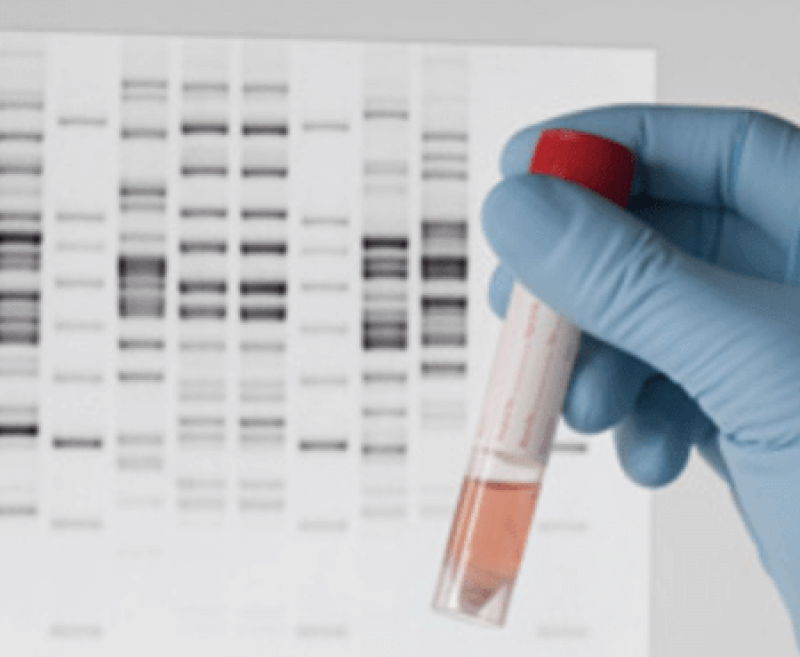
Known broadly as the MyCode Community Health Initiative and run by the Danville-based Geisinger Health System, the effort has so far sequenced the protein-coding DNA, or exomes, of more than 92,400 people. More than 166,000 have enrolled in the study, and the goal is to ultimately enlist half a million of the nonprofit’s 3.3 million patients.

Beyond the ethical, medical, and scientific issues being explored by Geisinger is the crucial question of whether widespread genomic screening as a preventive medical measure is cost-effective. Regeneron is paying for each patient’s initial DNA sequencing, in return for access to those data and Geisinger’s health records, but that isn’t likely to be practical nationwide.

GenomeFIRST tells patients about mutations in 76 genes that have been linked to 27 conditions, ranging from breast cancer to heart disease. All the conditions can be treated through surgery, pharmaceuticals, or lifestyle changes, or prevented altogether, says Michael Murray, Geisinger’s head of clinical genomics. Disease gene variants with no clear-cut medical treatments, such as APOE4, which raises the risk of Alzheimer’s disease, are not disclosed. Early indications are that about 3.5% of study participants will discover that their genomes harbor a disease-linked DNA variant, so Murray expects the impact of the population-wide scanning to be “profound.”

The GLP aggregated and excerpted this blog/article to reflect the diversity of news, opinion, and analysis. Read full, original post: Is health care ready for routine DNA screening? A massive new trial will find out

{{ reviewsTotal }}{{ options.labels.singularReviewCountLabel }}
{{ reviewsTotal }}{{ options.labels.pluralReviewCountLabel }}
{{ options.labels.newReviewButton }}
{{ userData.canReview.message }}

Related Articles

Infographic: Global regulatory and health research agencies on whether glyphosate causes cancer

Infographic: Global regulatory and health research agencies on whether glyphosate causes cancer

Does glyphosate—the world's most heavily-used herbicide—pose serious harm to humans? Is it carcinogenic? Those issues are of both legal and ...

Most Popular

ChatGPT-Image-Apr-20-2026-11_17_18-AM-2
10,000 scientists gone: Trump’s cuts create an unprecedented brain drain
ChatGPT-Image-Apr-23-2026-09_20_20-PM
Kennedy’s CDC blocks publication of study that shows vaccines reduce hospitalizations by 50%, then misrepresents why
Screenshot-2026-04-13-at-3.54.04-PM
AI disinformation stress test: Challenges and response strategies
ChatGPT-Image-Feb-16-2026-01_04_32-PM
Raw milk myth wake-up call
ChatGPT-Image-Apr-22-2026-04_31_20-PM
‘Irresponsible decision’? On mandatory military flu shots, Hegseth chooses ‘freedom’ over health
images
The never-ending GMO debate: Pros and cons
ChatGPT-Image-Mar-11-2026-11_58_46-AM
The Trump administration has run out more than 4,000 National Institutes of Health employees. Here are the consequences
ChatGPT-Image-Apr-17-2026-03_30_52-PM
Food labels, decoded: What they really mean
Screenshot-2026-04-22-at-4.10.32-PM
Viewpoint — ‘Completely unethical’: RFK, Jr.’s medical ignorance deprives melanoma cancer-sufferers of a life-saving therapy
Screenshot-2026-04-15-at-1.22.58-PM
Anti-biotechnology activists smear hybrid wheat breakthrough that could surge yields in poorer countries
glp menu logo outlined

Get news on human & agricultural genetics and biotechnology delivered to your inbox.