Genetically modified crops were planted on a record 457.4 million acres globally in 2016, up 3 percent from the 444 million acres planted in 2015, according to statistics released by International Service for the Acquisition of Agri-Biotech Applications. This follows a slight dip (1 percent) in the acres in 2015 compared to 2014. This dip was mostly attributed to falling commodity prices that prompted farmers to reduce genetically modified corn and soybean acres in favor of alternate crops. The global market value of biotech crops in 2016 was $15.8 billion.
…
Efforts to expand the use of genetically modified crops in some countries have been hindered by opposition from consumer and environmental groups, regulatory hurdles, cultural and religious beliefs, and in some cases scientific obstacles.
New research evidence shows the effectiveness of popular genetically engineered traits used to protect crops is declining due to insect resistance development. This is partially the result of over-reliance on one avenue for pest control rather than integrated approaches. Another widely used genetically modified trait is glyphosate-tolerance, developed in soybeans, corn, cotton, canola and other crops. Since the genetically modified crops were introduced, U.S. farmlands are increasingly encountering glyphosate-resistant weeds. These factors pose major impediments to the sustainability of genetically modified crops.
..
The biotech industry is now looking for new frontiers and a next generation of genetically modified crops that will encompass greater agronomic and social sustainability in the future.
A University of Calgary team has flushed the competition with a project that sets out to convert astronaut poop into handy tools, while also cutting down on flying bags of feces masquerading as shooting stars.
…
Their winning project was called Astroplastic: From Colon to Colony. “There’s a huge issue with transporting materials to Mars. How do you account for everything astronauts might need over three years? Waste management is another huge issue and we thought maybe we will address both of those,” [researcher Alina] Kunitskaya told The Homestretch.
…
“We modified the DNA of an E. coli bacteria so that it would take acids out of the human poop and actually build a plastic out of it and then spit that plastic out so that we can use it to make tools.” The plastic is used by a 3D printer to create tools such as a wrench or screwdriver. They didn’t actually use human feces but in the process learned that NASA has an official recipe for fake poop, which includes yeast, cellulose, peanut oil and miso paste.
…
Kunitskaya says if they can swap fake poop for real poop, it could save valuable room on the spacecraft and reduce the need to dispose of solid waste, which is currently just tossed out.
To stop an activity, your brain must engage in very precise timing that involves the careful coordination of three distinct areas of the brain, new research has found.
The findings, set to be published on Dec. 20 in the journal Neuron, help explain how people switch tasks once they’ve already begun them.
The research may help demystify how your brain handles quick decisions like those that happen when you’re driving. Imagine you come around the corner, driving the speed limit. Up ahead, a traffic light turns yellow. You’re not going to make it, but if you accelerate you can squeeze by just after the light turns red. You decide to put your foot on the gas pedal — but wait! There, in the parking lot, a cop car keeping watch on the intersection. Can you stop your foot in time to avoid getting a ticket for your irresponsible driving? Certain parts of your brain determine if you’ll succeed, the researchers found.
…
[T]the researchers found that at least three brain regions were involved: two parts of the prefrontal cortex, which is an area of the brain involved in planning, as well as the pre-motor cortex, which is an area that’s less well-understood.
I want more than just having Golden Rice — I want it to be widely available to people who eat rice as a staple food. And I want to see the results of that consumption in the decrease in the number of children worldwide who go blind because of vitamin A deficiency.
…
[V]itamin A deficiency causes not only blindness, but also increased susceptibility to infectious diseases because of its impact on the immune system. Beta-carotene is a precursor to vitamin A, and although excess doses of vitamin A can be damaging, there has been no toxicity associated with beta-carotene.
…
According to UNICEF, in 2013, vitamin A deficiency was a widespread public health problem — in sub-Saharan Africa it affected nearly half of children between the ages of 6 to 59 months, and in South Asia, about 44 percent of such children were deemed deficient. But, the agency reported, by 2015 only 70 percent of targeted children were reached with vitamin A supplementation.
…
Yet anti-GMO activists such as Greenpeace have railed against the use of this life-saving product of genetic engineering, although we’ve never heard them complain about using genetically engineered insulin to treat diabetes. Obviously, they pick their targets carefully.
Drought conditions continue to contribute to famine in Africa, prompting a search for crops that are not only drought-resistant but provide a high yield. A so-called “super bean” has been developed that may give hope to hunger-prone areas of Africa.
The “super beans,” are being described as “a fast-maturing, high-yield variety,” and the International Center For Tropical Agriculture (CIAT) claims the beans are “bred by conventional means to resist the drought conditions.” This means the beans are produced by conventional genetic selection and are not a genetically modified crop.
…
Experts claim the red-stripped NABE15 bean is valuable for several reasons. Not only is it resilient to drought, but the beans also cook quickly and resist most crop-killing pests. And while the beans may not be invincible, officials are confident they will do very well.
“It’s very hard to breed any single bean variety with the very best of traits — early maturing, drought-tolerant, pest-tolerant, high micronutrients. That would be the super, super bean,” said Debisi Araba, the African head of the Center for Tropical Agriculture.
Araba adds, “But that’s what we are working toward. There are genetic editing tools available now that give scientists the ability to map out these genetic varieties and potentially we start looking at the possibility of breeding these super, super crops.”
Incurable diseases such as diabetes and muscular dystrophy could be treated in future using a new form of genetic engineering designed to boost gene activity, according to scientists.
The technique is an adapted version of the powerful gene editing tool called Crispr. While the original version of Crispr snips DNA in precise locations to delete faulty genes or over-write flaws in the genetic code, the modified form “turns up the volume” on selected genes.
…
The new paper, published in Cell, demonstrates how this strategy might be applied to a range of devastating illnesses.
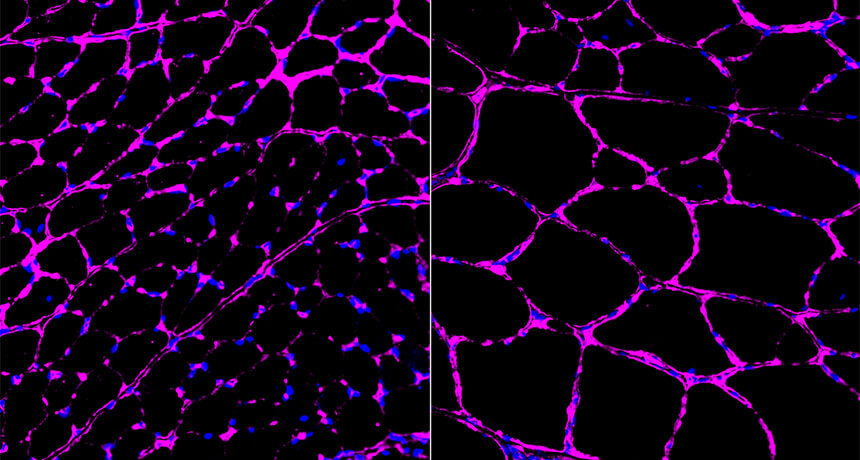
The team showed that mice, with a version of muscular dystophy, a fatal muscle wasting disorder, recovered muscle growth and strength. The illness is caused by a mutation in the gene that produces dystrophin, a protein found in muscle fibres. However, rather than trying to replace this gene with a healthy version, the team boosted the activity of a second gene that produces a protein called utrophin that is very similar to dystrophin and can compensate for its absence.
…
Alena Pance, a senior staff scientist at the UK’s Wellcome Trust Sanger Institute, said a potential drawback of the work was that the target genes would be boosted in organs throughout the body – raising the possibility of off target effects.
In just the past few months we’ve seen not one, but two examples of people pursuing unregulated gene therapy.
…
[T]he largest organization of scientists who work in gene and cell therapy have come out against DIY gene therapies. A statement from the American Society of Gene and Cell Therapy comes on the heels of a stern warning against DIY gene therapy from the US Food and Drug Administration. For years, when it came to biohacking, regulators and establishment science have mainly looked the other way. That seems to be changing.
…
[T]he FDA issued a statement noting that selling supplies intended for DIY gene therapy is illegal and actually performing it is unsafe.
The ASGCT followed suit, arguing that DIY attempts at gene therapy are simply unsafe.
“ASGCT understands and profoundly sympathizes with the desperation that patients can feel when confronted with dire clinical prognoses,” the statement read. “However, ASGCT strongly discourages individuals from administering or seeking out unregulated or ‘do-it-yourself’ gene therapies. The field of gene therapy has been developing for more than 30 years with the goal of improving the quality of life of patients with serious diseases through proven, safe, and effective treatments derived from rigorous scientific and clinical research.”
Neither the FDA nor a consortium of scientists seem likely to dissuade those on the frontline of do-it-yourself science.
The Foundation for Food and Agriculture Research (FFAR), a nonprofit established in the 2014 Farm Bill with bipartisan congressional support, awarded a $1 million Seeding Solutions grant to University of California, Davis (UC Davis) to study the genetics of rice plants. Together with researchers at the University of North Carolina and collaborators, the team will develop and implement a chemistry-driven gene discovery approach to identify genes that modulate root traits.
…
To accomplish their goals, the team will create and characterize a set of kinase inhibitors that collectively inhibit most of the kinases in rice. The starting point will be approximately 1,000 human kinase inhibitors carefully selected from a library of chemical compounds donated to the partnership from eight pharmaceutical companies. The set will be distributed without restriction to scientists studying other plants and traits, thus serving as a broadly useful platform. The team has agreed to operate under open access principles – specifically prohibiting filing for IP on any of the results and will communicate the results widely.
…
“An open science approach will allow us to build our understanding of genes that influence root growth more effectively and efficiently,” said David Drewry, Ph.D., co-PI and professor at University of North Carolina.
Recent studies of DNA from ancient remains suggest that, broadly-speaking, the Irish genetic landscape was established by the Bronze Age, when migrants from mainland Europe – probably belonging to the Beaker archaeological culture – had settled on the island.
…
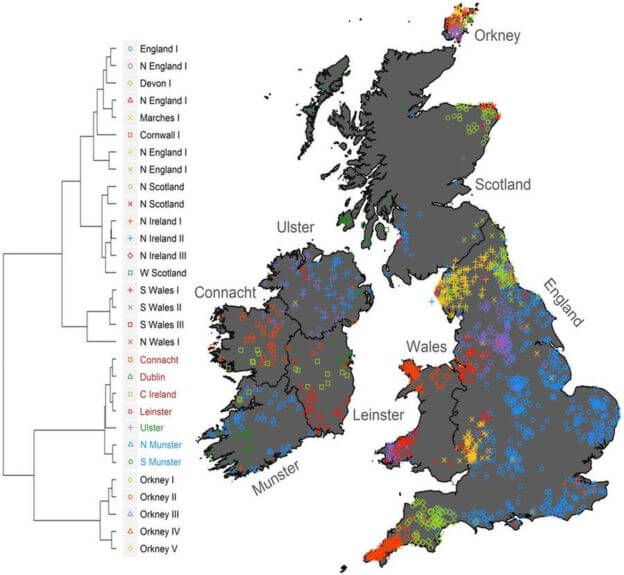
The latest paper highlights more recent population-shaping events in Irish history. The locations of the 10 clusters identified in the Irish population seemed to reflect either the borders of the four Irish provinces – Ulster, Leinster, Munster and Connacht – or historical kingdoms.
For example, the researchers found that Munster divided into northern and southern genetic clusters. These appear to coincide with the boundaries of the Dál Cais and the Eóganacht – rival kingdoms established in medieval times.
…
[Co-author Gianpiero] Cavalleri said it was possible the high levels of Norwegian ancestry in the Irish might be confounded if substantial amounts of Irish DNA had found its way to Norway over time: “Perhaps people the Vikings brought back,” he speculated.
Scanning the genomes of 1,077 homosexual men and 1,231 heterosexual men, researchers identified several genetic regions with multiple single nucleotide polymorphisms (SNPs) that segregate between the two groups. But the findings, published today (December 7) in Scientific Reports, have been met with severe criticism.
…
“This study is way, way, way too small to draw any meaningful conclusion,” Jeffrey Barrett of the Wellcome Trust Sanger Institute says in a statement for Science Media Centre (SMC). “None of their findings meets the accepted thresholds for statistical significance in a genome-wide association study (which is why it is published in Scientific Reports). The comments about SLITRK6 and TSHR are utter speculation, and don’t belong anywhere near a modern genetic study—we had decades of such claims that never held up because they didn’t meet statistical significance.”
“The researchers have found weak evidence for genetic variation that influences self-reported sexual preferences in men. However, the sample size is small, the results have not been replicated in an independent study and the level of evidence presented doesn’t meet the threshold of significance typically required within the field,” agrees Gil McVean of the University of Oxford in a statement for SMC. “The press release is appropriate, but I don’t think the work would have been published if it were on a less controversial topic. It is—at best—preliminary.”
Western corn rootworm can destroy cornfields — and profits — but populations of the “billion-dollar bug” have stopped responding to insecticides as well as the genetically modified (GM) corn hybrids designed to resist insect attacks, according to the University of Illinois.
However, there may be hope. In a new study, University of Illinois researchers uncovered the genetic basis of resistance to western corn rootworm, paving the way for development of non-GM corn hybrids that can withstand the pest.
…
The resistant corn lines can’t just be released here in the U.S. For one thing, the plants are massive compared to the elite hybrids Midwestern farmers are used to growing. They’re also adapted to very different environments and wouldn’t flower at the right time to produce reasonable yields.
By crossing exotic and elite lines, GEM created plants with a quarter of the genes of the exotics. Several of these lines remained promising with regard to their level of resistance, the announcement said.
…
The researchers haven’t found the gene for resistance — Bohn said the trait is likely too complex for it to boil down to a single gene — but the group has identified regions of the genome that appear to contribute to resistance using a technique known as QTL mapping.
The European Commission has delayed a vote on the banning of three neonicotinoids to include all outdoor crops.
Member states met at the European Commission on 12-13 December to propose an extension of the ban to all outdoor crops.
Four years ago, the EU restricted use of three neonicotinoids in the spring and on flowering crops.
The Standing Committee on Plants, Animals, Food and Feed (Scopaff) discussed proposals to set out a blanket ban, but no vote was taken. The issue is expected to be on the agenda again in early 2018.
The UK government has overturned its previous convictions on neonicotinoids and now say an outright ban is needed due to their supposed harm to pollinators.
Speaking about neonicotinoids following a speech in the summer where he outlined his vision for a Green Brexit, Defra Secretary Michael Gove said new research had raised “profound concerns” and that he was contemplating the need for further restrictions on their use.
Consumers are confused about food issues. Wine is good for you; wine is bad. Coffee protects you; coffee kills you. Chocolate makes you thin; chocolate makes you fat. From bacon to butter, we’ve all watched the endless carousel of contradictory food information, complexifying food choices, and leaving consumers with no clue on who to trust for accurate information.
This week was a textbook example of how the sensationalist media misinterprets actual science for a clickbait headline, and then how that headline morphs into a new false truth. This is how fake health news is born and raised, ironically leading to negative health effects and fewer food choices.
The results showed that the oil-fed mice gained significantly more weight. The mice performed slightly less adeptly on a standard mouse test (the Y-maze), but performed comparably in two other tests. The brains of oil-eating mice contained a ratio of protein variants consistent with the AD signature plaques and tangles, and were lower in a protein marker for neuronal integrity. All other markers were comparable.
The authors’ conclusions were generally in line with the data. However, they did report, “significant deficits in working memory,” an interpretation that maybe isn’t entirely consistent with a 20% deficit in one behavioral test, when other tests were not statistically different.
In the paper, the authors compared the results of this study to their earlier report that showed potential protective effects of olive oil. Canola oil and olive oil have similar profiles in ratios of saturated, monounsaturated, and polyunsaturated fat, so it is a good hypothesis to test. The authors did not find the same benefits in canola oil. A direct side-by-side comparison of canola and olive oil was not performed, and olive oil-consuming mice exhibited weight gain as well in a previous study by the same group.
The scientific interpretation based on the limits of the experimental design—mice genetically altered to exhibit AD-like neural pathology, fed more calories from oil, become obese, showed evidence of markers consistent with lower neurological function, and exhibited slight symptoms consistent with memory problems.
The data do not show, in any way,that canola oil causes memory problems, dementia, obesity, and Alzheimer’s Disease, especially in humans.
The Temple University article plays a little fast and loose with the data and interpretations from the actual scientific report.
But what did the media say?
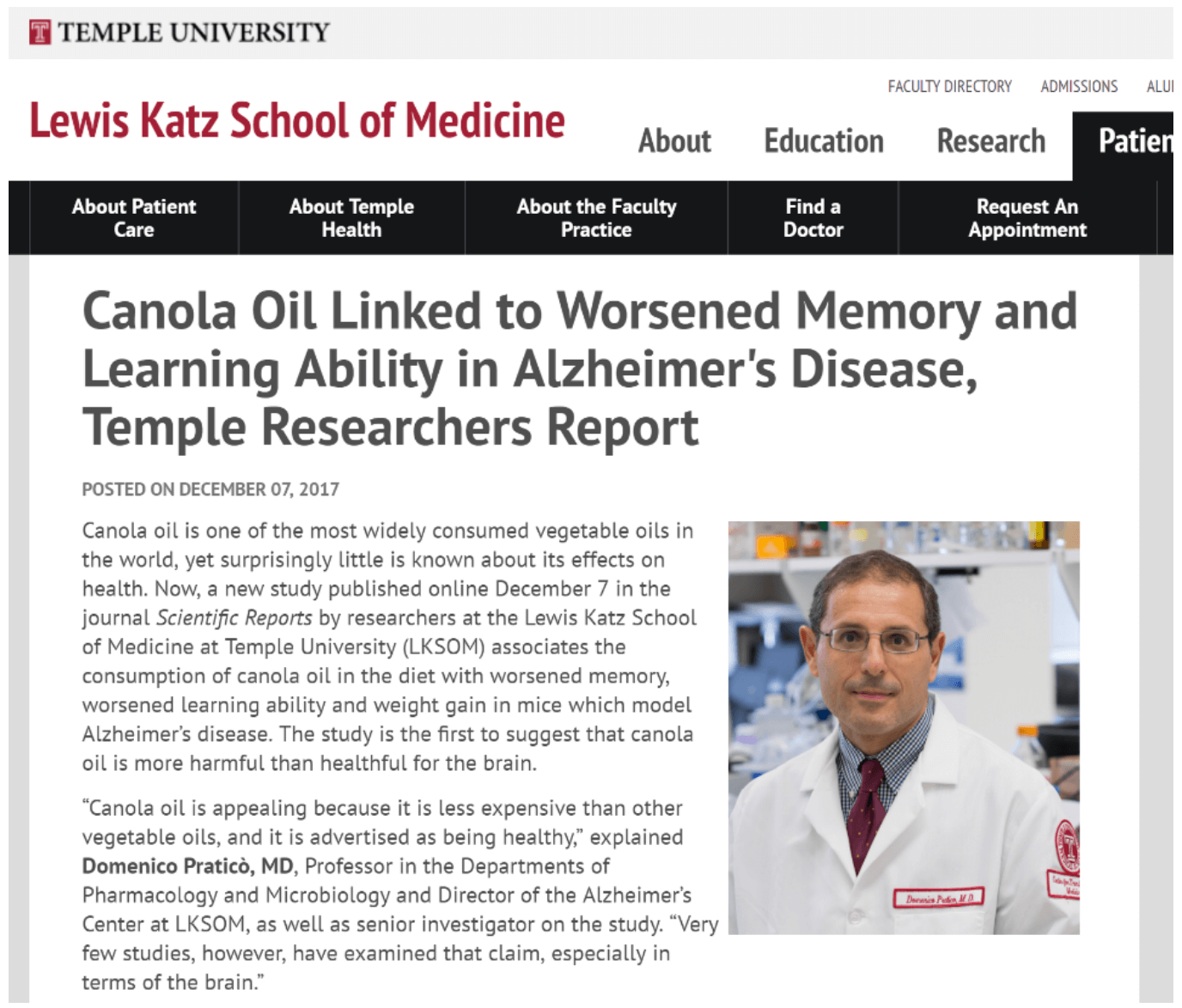
The problem starts off with Temple University’s press release. The title, “Canola Oil Linked to Worsened Memory and Learning Ability in in Alzheimer’s Disease, Temple Researchers Report,” is a real stretch of what the researchers actually found. It could be true. It could be not true. It is certainly not what could be gleaned from the data, and certainly was not what they reported as a conclusion in their paper.
From there, a press fueled by sensational stories was happy to take this nugget and extrapolate to wild dimensions.
Well, one out of seven gets it right.
Within a day numerous sources, including Newsweek and Atlanta Journal-Constitution, were pumping the concrete connection between canola oil and brain death. Twitter exploded with the validating retweets of this false interpretation of a reasonable experiment and good data.
Worse, if you were to search twitter for “canola” and “Dr.” you find dozens of physicians retweeting this hyperbolic extrapolation, probably to patients and other followers that turn to physicians for trusted health information.
Canola is loathed by many food activists because a large proportion of the crop is genetically engineered. They too reveled in the lofty over-interpretation, citing the work as a definitive evidence of canola oil’s central role as the cause of degenerative brain disease.
On Twitter, hundreds of physicians, several with large followings, retweet the misinformation, potentially misinforming their patients, both in social media and in the clinical setting.
Why does highly propagated misinformation matter?
Abundant evidence exists that shows the cardiovascular benefits of diets low in saturated fats. Canola oil, like olive oil, features the majority of its fats as the monounsaturated type, which have been considered to be healthy alternatives to other oils. There are legitimate associations with reducing cholesterol and other cardiovascular risks.
When the media inflates a morsel of evidence in an Alzheimer’s mouse model to be synonymous with causing and accelerating a dreaded human disease, there are consequences. Physicians make mistakes, as they don’t have time to investigate these claims in great detail. Diet and nutrition advice from other experts may also be influenced by the authority of a university press release and trusted news sources.
So what? People will just use olive oil, right? Sure. If you can afford it.
Canola oil’s appeal is that it has the same healthy fat profile of olive oil, only at a much lower cost. Canola oil is also processed to be flavor neutral, which is desirable in some recipe applications. Olive oil also has many other trace compounds that could be imparting its claimed benefits. But that does not mean that canola oil is brain poison.
The overstatement in the media can radically skew consumer choice, causing a frightened public to instead opt for saturated fats with heart-health implications. The precautionary plaque-free mind knows that you can get a triple bypass, and it’s hard to unravel tangled brain chemistry.
Amplification of sensational food claims has repercussions. It harms people and their choices and options, particularly the poor. It harms canola farmers that produce a huge amount of the crop here in North America, and it shifts options away from the more environmentally friendly annual oil crop, to resource- and labor-intensive olive orchards.
It is a perfect storm for distrust. A set of experiments by competent experts, an exaggerated press release from a university communications office and runaway unfiltered media turn a modest set of results into a public health crisis. It is the perfect recipe to sprout a horrendously bogus claim from a seed of truth and a stunning example of how false information propagates and shapes food choice.
Kevin M. Folta is a Professor and Chairman of the Horticultural Sciences Department at the University of Florida. He teaches science communication workshops for scientists and ag professionals, and hosts the weekly podcast Talking Biotech. Follow him on twitter @kevinfolta
DNA holds the story of our ancestry – how we’re related to the familiar faces at family reunions as well as more ancient affairs: how we’re related to our closest nonhuman relatives, chimpanzees; how Homo sapiensmated with Neanderthals; and how people migrated out of Africa, adapting to new environments and lifestyles along the way. And our DNA also holds clues about the timing of these key events in human evolution.
When scientists say that modern humans emerged in Africa about 200,000 years ago and began their global spread about 60,000 years ago, how do they come up with those dates? Traditionally researchers built timelines of human prehistory based on fossils and artifacts, which can be directly dated with methods such as radiocarbon dating and Potassium-argon dating. However, these methods require ancient remains to have certain elements or preservation conditions, and that is not always the case. Moreover, relevant fossils or artifacts have not been discovered for all milestones in human evolution.
Analyzing DNA from present-day and ancient genomes provides a complementary approach for dating evolutionary events. Because certain genetic changes occur at a steady rate per generation, they provide an estimate of the time elapsed. These changes accrue like the ticks on a stopwatch, providing a “molecular clock.” By comparing DNA sequences, geneticists can not only reconstruct relationships between different populations or species but also infer evolutionary history over deep timescales.
Molecular clocks are becoming more sophisticated, thanks to improved DNA sequencing, analytical tools and a better understanding of the biological processes behind genetic changes. By applying these methods to the ever-growing database of DNA from diverse populations (both present-day and ancient), geneticists are helping to build a more refined timeline of human evolution.
How DNA accumulates changes
Mutations are changes to the DNA code, such as when one nucleotide base (A, T, G or C) is incorrectly subbed for another. DNA image via www.shutterstock.com
Molecular clocks are based on two key biological processes that are the source of all heritable variation: mutation and recombination.
Mutations are changes to the letters of DNA’s genetic code – for instance, a nucleotide Guanine (G) becomes a Thymine (T). These changes will be inherited by future generations if they occur in eggs, sperm or their cellular precursors (the germline). Most result from mistakes when DNA copies itself during cell division, although other types of mutations occur spontaneously or from exposure to hazards like radiation and chemicals.
In a single human genome, there are about 70 nucleotide changes per generation – minuscule in a genome made up of six billion letters. But in aggregate, over many generations, these changes lead to substantial evolutionary variation.
Scientists can use mutations to estimate the timing of branches in our evolutionary tree. First they compare the DNA sequences of two individuals or species, counting the neutral differences that don’t alter one’s chances of survival and reproduction. Then, knowing the rate of these changes, they can calculate the time needed to accumulate that many differences. This tells them how long it’s been since the individuals shared ancestors.
Comparison of DNA between you and your sibling would show relatively few mutational differences because you share ancestors – mom and dad – just one generation ago. However, there are millions of differences between humans and chimpanzees; our last common ancestor lived over six million years ago.
Recombination, also known as crossing-over, is the other main way DNA accumulates changes over time. It leads to shuffling of the two copies of the genome (one from each parent), which are bundled into chromosomes. During recombination, the corresponding (homologous) chromosomes line up and exchange segments, so the genome you pass on to your children is a mosaic of your parents’ DNA.
Bits of the chromosomes from your mom and your dad recombine as your DNA prepares to be passed on. Chromosomes image via www.shutterstock.com.
In humans, about 36 recombination events occur per generation, one or two per chromosome. As this happens every generation, segments inherited from a particular individual get broken into smaller and smaller chunks. Based on the size of these chunks and frequency of crossovers, geneticists can estimate how long ago that individual was your ancestor.
Building timelines based on changes
Genetic changes from mutation and recombination provide two distinct clocks, each suited for dating different evolutionary events and timescales.
Because mutations accumulate so slowly, this clock works better for very ancient events, like evolutionary splits between species. The recombination clock, on the other hand, ticks at a rate appropriate for dates within the last 100,000 years. These “recent” events (in evolutionary time) include gene flow between distinct human populations, the rise of beneficial adaptations or the emergence of genetic diseases.
The case of Neanderthals illustrates how the mutation and recombination clocks can be used together to help us untangle complicated ancestral relationships. Geneticists estimate that there are 1.5-2 million mutational differences between Neanderthals and modern humans. Applying the mutation clock to this count suggests the groups initially split between 750,000 and 550,000 years ago.
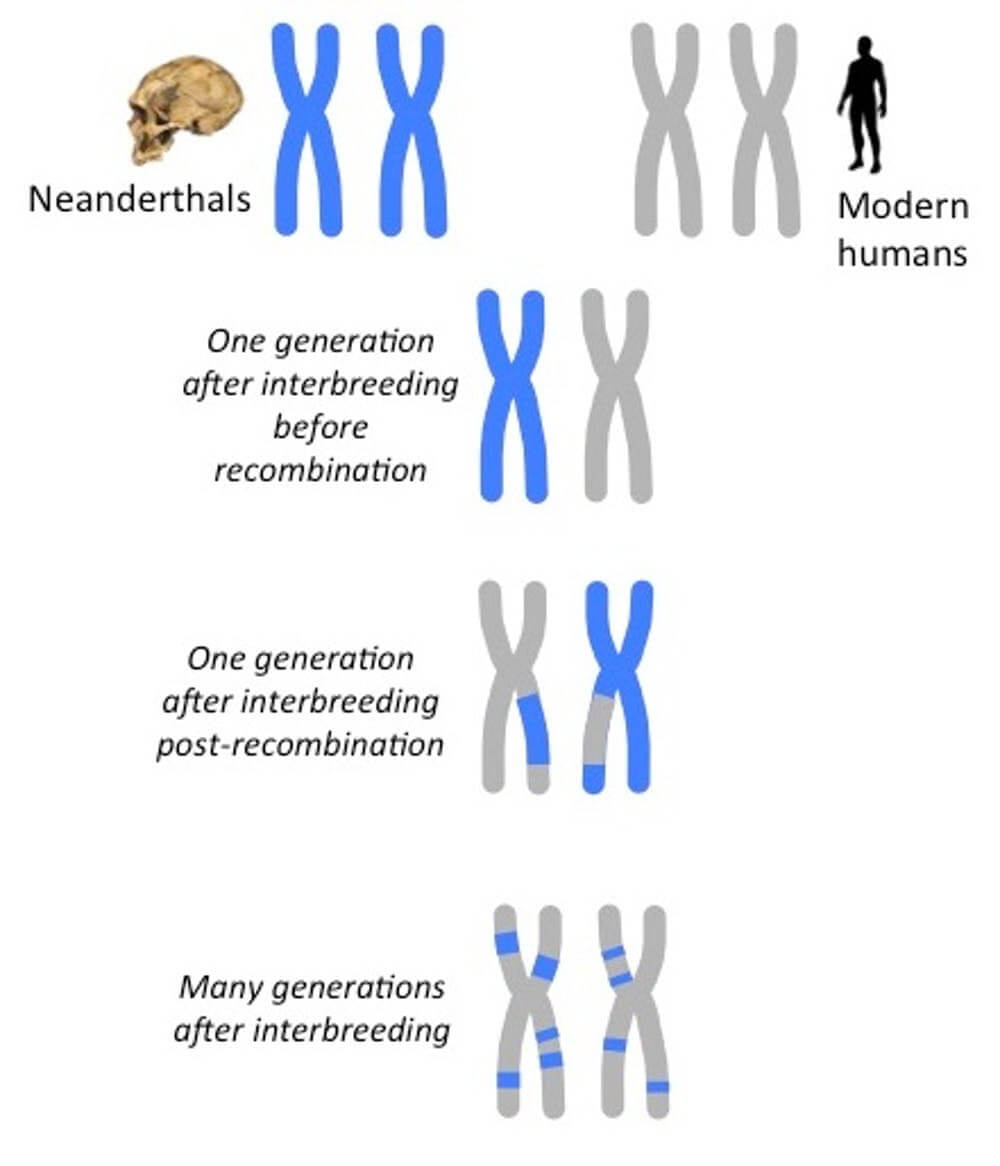
Gene flow between divergent populations leads to chromosomes with mosaic ancestry. As recombination occurs in each generation, the bits of Neanderthal ancestry in modern human genomes becomes smaller and smaller over time. Bridget Alex, CC BY-ND
At that time, a population – the common ancestors of both human groups – separated geographically and genetically. Some individuals of the group migrated to Eurasia and over time evolved into Neanderthals. Those who stayed in Africa became anatomically modern humans.
However, their interactions were not over: Modern humans eventually spread to Eurasia and mated with Neanderthals. Applying the recombination clock to Neanderthal DNA retained in present-day humans, researchers estimate that the groups interbred between 54,000 and 40,000 years ago. When scientists analyzed a Homo sapiens fossil, known as Oase 1, who lived around 40,000 years ago, they found large regions of Neanderthal ancestry embedded in the Oase genome, suggesting that Oase had a Neanderthal ancestor just four to six generations ago. In other words, Oase’s great-great-grandparent was a Neanderthal.
The challenges of unsteady clocks
Molecular clocks are a mainstay of evolutionary calculations, not just for humans but for all forms of living organisms. But there are some complicating factors.
The main challenge arises from the fact that mutation and recombination rates have not remained constant over human evolution. The rates themselves are evolving, so they vary over time and may differ between species and even across human populations, albeit fairly slowly. It’s like trying to measure time with a clock that ticks at different speeds under different conditions.
One issue relates to a gene called Prdm9, which determines the location of those DNA crossover events. Variation in this gene in humans, chimpanzees and mice has been shown to alter recombination hotspots– short regions of high recombination rates. Due to the evolution of Prdm9 and hotspots, the fine-scale recombination rates differ between humans and chimps, and possibly also between Africans and Europeans. This implies that over different timescales and across populations, the recombination clock ticks at slightly different rates as hotspots evolve.
Another issue is that mutation rates vary by sex and age. As fathers get older, they transmit a couple extra mutations to their offspring per year. The sperm of older fathers has undergone more rounds of cell division, so more opportunities for mutations. Mothers, on the other hand, transmit fewer mutations (about 0.25 per year) as a female’s eggs are mostly formed all at the same time, before her own birth. Mutation rates also depend on factors like onset of puberty, age at reproduction and rate of sperm production. These life history traits vary across living primates and probably also differed between extinct species of human ancestors.
Consequently, over the course of human evolution, the average mutation rate seems to have slowed significantly. The average rate over millions of years since the split of humans and chimpanzees has been estimated as about 1×10⁻⁹ mutations per site per year – or roughly six altered DNA letters per year. This rate is determined by dividing the number of nucleotide differences between humans and other apes by the date of their evolutionary splits, as inferred from fossils. It’s like calculating your driving speed by dividing distance traveled by time passed. But when geneticists directly measure nucleotide differences between living parents and children (using human pedigrees), the mutation rate is half the other estimate: about 0.5×10⁻⁹ per site per year, or only about three mutations per year.
An evolutionary tree displays the divergence and interbreeding dates that researchers estimated with molecular clock methods for these groups. Bridget Alex, CC BY-ND
For the divergence between Neanderthals and modern humans, the slower rate provides an estimate between 765,000-550,000 years ago. The faster rate, however, would suggest half that age, or 380,000-275,000 years ago: a big difference.
To resolve the question of which rates to use when and on whom, researchers have been developing new molecular clock methods, which address the challenges of evolving mutation and recombination rates.
New approaches for better dating
One approach is to focus on mutations that arise at a steady rate regardless of sex, age and species. This may be the case for a special type of mutation that geneticists call CpG transitions by which the C nucelotides spontaneously become T’s. Because CpG transitions mostly do not result from DNA copying errors during cell division, their rates should be mainly independent of life history variables – and presumably more uniform over time.
Focusing on CpG transitions, geneticists recently estimated the split between humans and chimps to have occurred between 9.3 and 6.5 million years ago, which agrees with the age expected from fossils. While in comparisons across species, these mutations seem to happen more like clockwork than other types, they are still not completely steady.
Another approach is to develop models that adjust molecular clock rates based on sex and other life history traits. Using this method, researchers calculated a chimp-human divergence consistent with the CpG estimate and fossil dates. The drawback here is that, when it comes to ancestral species, we can’t be sure of life history traits, like age at puberty or generation length, leading to some uncertainty in the estimates.
The most direct solution comes from analyses of ancient DNA recovered from fossils. Because the fossil specimens are independently dated by geologic methods, geneticists can use them to calibrate the molecular clocks for a given time period or population.
This strategy recently resolved the debate over the timing of our divergence with Neanderthals. In 2016, geneticists extracted ancient DNA from 430,000-year-old fossils that were Neanderthal ancestors, after their lineage split from Homo sapiens. Knowing where these fossils belong in the evolutionary tree, geneticists could confirm that for this period of human evolution, the slower molecular clock rate of 0.5×10⁻⁹ provides accurate dates. That puts the Neanderthal-modern human split between 765,000 to 550,000 years ago.
As geneticists sort out the intricacies of molecular clocks and sequence more genomes, we’re poised to learn more than ever about human evolution, directly from our DNA.
Bridget Alex holds a PhD in Anthropology and Human Evolutionary Biology. Her research focuses on understanding the processes by which Homo sapiens dispersed globally as all other human groups went extinct over the past 100,000 years.
Priya Moorjani has an undergraduate degree in Computer Engineering from University of Mumbai and M.S. in Bioinformatics from George Washington University. She received her Ph.D. (2013) in Genetics from Harvard University. During her dissertation, she developed novel methods and approaches for analyzing genomic data to learn about population history, particularly focusing on populations of mixed ancestry such as West Eurasians and South Asians.
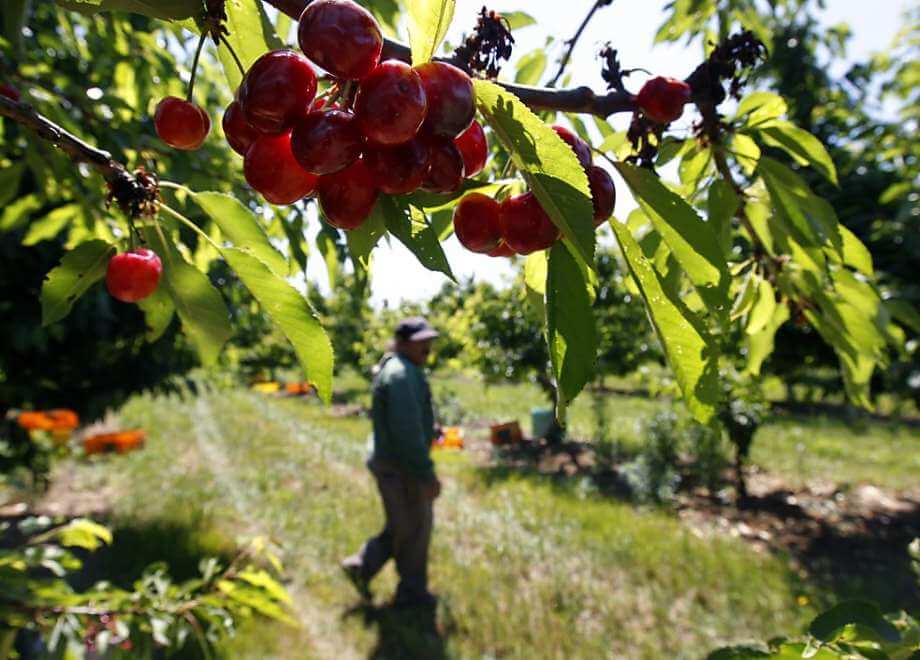
Since it first appeared in Northern California in 2008, the spotted-wing drosophila, a type of fruit fly native to Asia, has become the bane of the state’s cherry farms because of the razor-edged “ovipositor” on its tail.
Rather than lay eggs in rotting berries, as domestic flies do, the invasive species punches holes in fruit that’s still ripening, spoiling it. The costs to U.S. agriculture: about $700 million a year.
California’s cherry growers think they may have a way to get rid of the flies cheaply. To do it, they are counting on a technology developed by geneticists: a “gene drive” that can spread DNA alterations among wild flies, potentially killing them off.
Gene-drive technology is among the most widely debated—and feared—inventions of modern biology. Opponents call it a genetic “atom bomb” and want it banned. Others see the possibility of unprecedented public health interventions, like eradicating the mosquitoes that spread malaria.
Now, for the first time, commercial uses are on the table. With funding from the California Cherry Board, scientists at the University of California, Riverside, have installed a gene drive in the invasive pest, the first time the technology has been established in a commercially important species.
More than 50 years after the cause of sickle-cell disease was discovered, a dozen treatments for the painful and life-shortening inherited condition offer hope for long-overlooked patients.
…
Now it’s getting the attention of cutting-edge researchers. Bluebird Bio Inc. hopes to cure patients with a single injection of its gene therapy one day. Farther down the road are even more potent and permanent experiments using the gene-editing technology Crispr, an approach that hasn’t been done in humans yet.
…
Bluebird’s LentiGlobin gene therapy and the promise of Crispr were in the limelight at the American Society of Hematology, or ASH, meeting in Atlanta this weekend, capturing the imagination of what could done to cure diseases caused by defective genes. Coming sooner will be more conventional therapies to treat symptoms, like Global Blood Therapeutics Inc.’s voxelotor, one of the first drugs designed specifically for sickle-cell disease.
…
“The curative options are exciting, but they won’t be available to a majority of patients for a long time,” said Carolyn Hoppe, associate hematologist from University of California San Francisco’s Benioff Children’s Hospital in Oakland, and lead researcher on the voxelotor trial. “People are focusing on getting a cocktail of drugs that can be given safely that work differently until we can get to the point of cure.”
It takes roughly 6 square miles to support one hunting-gathering human. Modern intensive farming, by contrast, can support up to 4,000 people on the same land area. That means we would need another 12 planets to support today’s human population in an entirely hunter-gatherer system.
…
The organic movement has challenged the whole model of industrialized farming, seeking to move to a less intensive ideal that proponents feel is closer to nature. Debates rage about pesticides, hormones, animal welfare, and so on. Trade-offs are rarely acknowledged. For example, organic’s lower yields inevitably mean that more land must be tilled up to feed the same number of people, so the net environmental effect may be negative.
Ecomodernism, a more progressive variant of environmental thinking, seeks to take a pragmatic approach to these challenges, welcoming technology where this can make humans less dependent on nature. As a group of environmental activists and thinkers (of which I was one) wrote in the Ecomodernist Manifesto in 2015.
…
The math is simple. Supporting a growing population without increasing farmland requires increasing crop yields. Yield gaps in poorer countries need to be closed with better crop genetics and modern ag techniques.
…
Ecomodernists want to see science fully applied in agriculture so that farmers can do their job of growing food in the most sustainable and productive way they can.
[At his talk on “Gene Drives in the News” at the National Academy of Sciences’ Science of Science Communication III” Sackler Colloquia, Fred Gould] had initially intended to “explain the nuts and bolts of different gene drives….” Instead, he changed his presentation at the last minute to address two articles published by Kevin Esvelt in the journal PLOS Biology and bioRxiv the day before. The articles state that self-propagating CRISPR gene drives are currently too risky for field trials, and could create new, highly invasive species likely to spread beyond their original environments (whether accidentally or deliberately).
Gould breaks down what a gene drive is, how they work, and why scientists are developing them. He then looks at, how do you go from research that is taken one way by the scientific community, to media coverage that looks very different to the general public?
[Editor’s note: The following is part of a Society of Toxicology (SOT) issue statement approved the SOT Council November 2017.]
All plants used as human food or animal feed include varieties with marked genetic differences due to conventional breeding over hundreds to thousands of years or through intentional but undirected mutagenesis. These processes usually result in large-scale genomic changes in the resulting crops. Crop safety has been traditionally assured by plant breeders by examining the agronomic characters of the resulting crops and the testing of crop nutrients. However, new GE [genetically engineered] crops are tested and evaluated with much greater scrutiny.
…
[Since 1995, when the first GE food crop was introduced,] there has been no verifiable evidence of the potential for adverse health effects. While this evidence supports the safety of these products to many in the scientific community, it has not satisfied the concerns of some scientists and many consumers. … Data from scientific studies have overwhelmingly demonstrated that foods obtained from GE crops are as safe and nutritious as foods obtained from non-GE (i.e., conventional) crops.
…
Discussions regarding the labeling of foods as containing “GMO” or “GE ingredients” are likely to continue due to consumer demand, but it is not relevant regarding food safety.



 New research evidence shows the effectiveness of popular genetically engineered traits used to protect crops is declining due to insect resistance development. This is partially the result of over-reliance on one avenue for pest control rather than integrated approaches. Another widely used genetically modified trait is glyphosate-tolerance, developed in soybeans, corn, cotton, canola and other crops. Since the genetically modified crops were introduced, U.S. farmlands are increasingly encountering glyphosate-resistant weeds. These factors pose major impediments to the sustainability of genetically modified crops.