5 gene-edited crops slated to hit the market in the near future

a b b c b aa a XL

Farmers quickly gleaned agronomic benefits from GMO technology. Consumers? Not so much. Gene editing could change that, since it’s keying consumer-friendly products that nix trans fats, boost complex carbohydrates and fiber, and eliminate food allergies.

There are a number of gene-edited crops that are slated to hit the market in the near future. Here are some of them.

  • High-oleic soybeans. Calyxt is devising a high-oleic soybean slated to debut in 2018. These soybeans appeal to consumers because they’re healthier than many other cooking or baking oils, say industry officials. They contain zero trans fats and have an oleic content exceeding 75%. This level is similar to olive oil, a healthy cooking oil. High-oleic soybean oil also has two to three times longer the fry and shelf life that commodity soybean oil has.
  • Waxy corn. DuPont Pioneer plans to release improved waxy corn hybrids in 2019 or 2020. “We are leaders in the waxy corn market,” says Bob Meeley, DuPont Pioneer senior research scientist. “We know its biology, and we can do it broadly and quickly.”
  • Glyphosate-tolerant flax. It is set to debut in several years.
  • Two nontransgenic herbicide-tolerant traits for rice.
  • Disease-resistant potatoes. These resist phytophthora late blight, which caused the Irish potato famine of the 1840s.

Read full, original post: How gene editing will boost crop yields

Harvard prof Calestous Juma—passionate advocate for biotechnology in developing world—dies at age 64

juma pic

US-based Kenyan scholar Calestous Juma, who was in June named as one of the most reputable people in the world, is dead.

Prof Juma, who until his death was teaching at Harvard University, was the only Kenyan to be listed in the inaugural list of “2017 Most Reputable People on Earth”.

[Editor’s note: Juma was a proud supporter of the Genetic Literacy Project. Read GLP article by him here (published December 18); He wrote this article for the GLP in 2014.]

The list compiled by South African consulting company Reputation Polls has 100 individuals who have “amassed high reputation for themselves through the works they have been engaged in”.

Prof Juma died while undergoing treatment in Boston, Massachusetts.

Prof Makau Mutua, another US-based scholar, said he was shocked and “deeply saddened to hear of the passing of Prof Calestous Juma, an African intellectual giant.”

“He was a towering scholar and a great human being. The best of the best. Unbelievable.”

Prof Juma was one of the most sought after experts in the field of application of science, technology and innovation to sustainable development in developing and developed countries.

A public intellectual, he was very prolific in social media, frequently sharing his writings on Twitter.

At the time of his dearth he was teaching graduate courses on science, technology and development policy and biotechnology at Harvard University.

Read full, original post: Kenyan-born Harvard scholar Calestous Juma dies in US

Senator Elizabeth Warren sounds off on Monsanto-Bayer merger

Screen Shot at PM

Back in September 2016, US agribusiness titan Monsanto and German chemical conglomerate Bayer agreed to a $66 billion merger, making way for a globe-spanning firm with huge shares of the world’s seed and pesticide markets. The deal remains unconsummated, still under scrutiny by antitrust authorities. Donald Trump signaled readiness to bless the deal before taking office, but his administration has been pretty silent about it since.

Enter Trump’s nemesis, Sen. Elizabeth Warren (D.-Mass.). In a recent speech before the Open Markets Institute, Warren denounced rising levels of corporate consolidation—massive companies merging into vast market-dominating entities that invest a share of their profits in lobbying and financing campaigns, shaping the political system to their own ends.

[Warren] called on the Trump administration to nix Bayer-Monsanto. “If the Bayer-Monsanto merger is approved, one gigantic company would supply one-quarter of the entire world’s seeds and pesticides,” she noted.

As Warren notes, the Trump administration has already blessed a similar merger between former rivals Dow and DuPont, which will eventually roll out a seed/agrichemical giant bigger than Monsanto at its current size. It also signed off on the takeover of Swiss pesticide giant and ChemChina.  If Monsanto/Bayer gets the green light as well, then just three corporations will own the lion’s share of the globe’s seed and pesticide markets, giving them enormous leverage over farmers worldwide.

Read full, original post: Elizabeth Warren Just Let Loose on Trump and Monsanto

Calestous Juma: Africa needs its own Green Revolution based on science and technology

africacan calling african policymakers our economic future must be powered by our farms x

[Editor’s note: The author of this article, Calestous Juma, a professor at Harvard University, died on Friday, December 5, 2017 at the age of 64. Juma was a passionate advocate for biotechnology in Africa and a proud supporter of the Genetic Literacy Project. He wrote this article for the GLP in 2014.]

A quarter of the world’s hungry people are in sub-Saharan Africa and the numbers are growing. Between 2015 and 2016, the number of hungry – those in distress and unable to access enough calories for a healthy and productive life – grew from 20.8% to 22.7%. The number of undernourished rose from 200 million to 224 million out of a total population of 1.2 billion.

Conflict, poverty, environmental disruptions and a growing population all contribute to the region’s inability to feed itself.

Screen Shot at PM e
Calestous Juma

To tackle hunger, the continent needs to find new, integrated approaches. These approaches – discussed at a recent Harvard conference – must increase crop yield, enhance the nutritional content of people’s diets, improve people’s health and promote sustainability.

This may sound like a mammoth, perhaps insurmountable task. But Africa can learn from the experiences of the Green Revolution, set into motion by the US in the 1960s. The initiative was launched in response to major famines and food crises in the 1940s and 1950s. It was a complex exercise which demonstrates the power of science, technology and entrepreneurship in solving global challenges.

The Green Revolution is estimated to have saved up to one billion people from starvation. Africa needs to stage its own version if its to help save its people from hunger. Its lessons are instructive because of the need to approach the hunger crisis as a complex problem – and not just to raise crop yields or aggregate food production.

The Green Revolution model

Geopolitics was the biggest impetus for the Green Revolution. The US and the Soviet Union were locked in the Cold War. The Soviets championed a model of collectivised agriculture; the US dreamed up and implemented the Green Revolution.

Its focus was on increasing yields using improved rice, wheat and maize varieties. This was achieved by bundling the new varieties with fertilisers and pesticides.

Collaboration was a crucial part of the project’s success. A global network of 15 agricultural research centres was created to localise crops that were bred in the US and Japan to countries like India and the Philippines.

But perhaps most importantly, political will was brought to bear. Countries recognised that there might be nutritional and environmental risks involved in adopting the technology being offered by the US. But they knew that the consequences of subsequent famines would create national security crises.

India, Mexico and the Philippines dramatically increased their food output. But the focus on yields left the same regions with poor nutrition, ecological degradation and farmers displaced by land consolidation.

There is no geopolitical stimulus for action today. But there may be a way to tap into political will. Economic development is at the top of Africa’s development agenda and African leaders recognise that they can hardly grow their economies without raising agricultural productivity.

This is the perfect moment to start tackling the continent’s hunger crisis.

How it can be done

This is not a task for one sector of society alone. Ending hunger in Africa will involve bringing together key players such as government, academia, industry and civil society. We must see what has already been done and what is already working; we must interact and learn continuously from each other.

African countries such as Nigeria and Ethiopia, that have increased their food production, relied on a system wide approach – not the traditional reliance on isolated projects. The measures include investing in rural infrastructure, improving technical training of farmers, leveraging new technologies, upgrading food processing and expanding local market access. Ethiopia went further and created the Agricultural Transformation Agency to better coordinate this strategy.

Learning must happen from across sectors. For instance, what can the transition to clean energy teach us about transitioning to “cleaner”, healthier, more nutritious – food? It has inspired a shift to new technological applications that increase energy use while reducing ecological effect.

A comparable scenario can be envisaged for transitions in food systems to; reduce nutritional deficiencies, curb the spread of non-communicable diseases (such as obesity), and protect the environment through practices such as sustainable intensification.

Fostering energy transitions also involves diversifying and conserving energy. Similar approaches to expand food sources and reduce food loss and waste will need to part of food transitions.

Technical experts

Norman Borlaug, a scientist who spearheaded the Green Revolution and won the Nobel Prize in 1970, also laid the groundwork for some of what can be achieved in Africa.

In his later years, Borlaug led studies seeking to improve indigenous African crops in a bid to help expand the continent’s food baskets. He chaired a committee of the US National Academy of Sciences that added reports on Africa’s vegetables and fruits to an earlier study on grains.

The conversation x xThis kind of work needs to be expanded systematically to include other food sources such as livestock, fisheries, and insects.

For all of this to happen, universities must get involved in producing new generations of technical experts, policymakers and practitioners. These are the people who will support food transition and safeguard Africa’s food future. And this doesn’t require reinventing the academic wheel: for instance, engineering schools that focus on solving social problems have the opportunity to expand their roles from supporting manufacturing to including agriculture.

This is already being done by institutions such as the Massachusetts Institute of Technology. In many other cases new universities will need to be created as was done in Costa Rica in 1990 with the founding of EARTH University, possibly the world’s first sustainable development institution of higher learning.

Africa’s complex hunger challenges can only be addressed by taking into account emerging concerns about nutrition, health, non-communicable diseases, food loss and waste and environmental projects. These are also global challenges, making Africa’s efforts relevant to the rest of humanity.

Calestous Juma was a professor of international development at the Harvard Kennedy School.

A version of this article was originally published on the Conversation’s website as “Moving beyond the green revolution in Africa’s new era of hunger and has been republished here with permission.

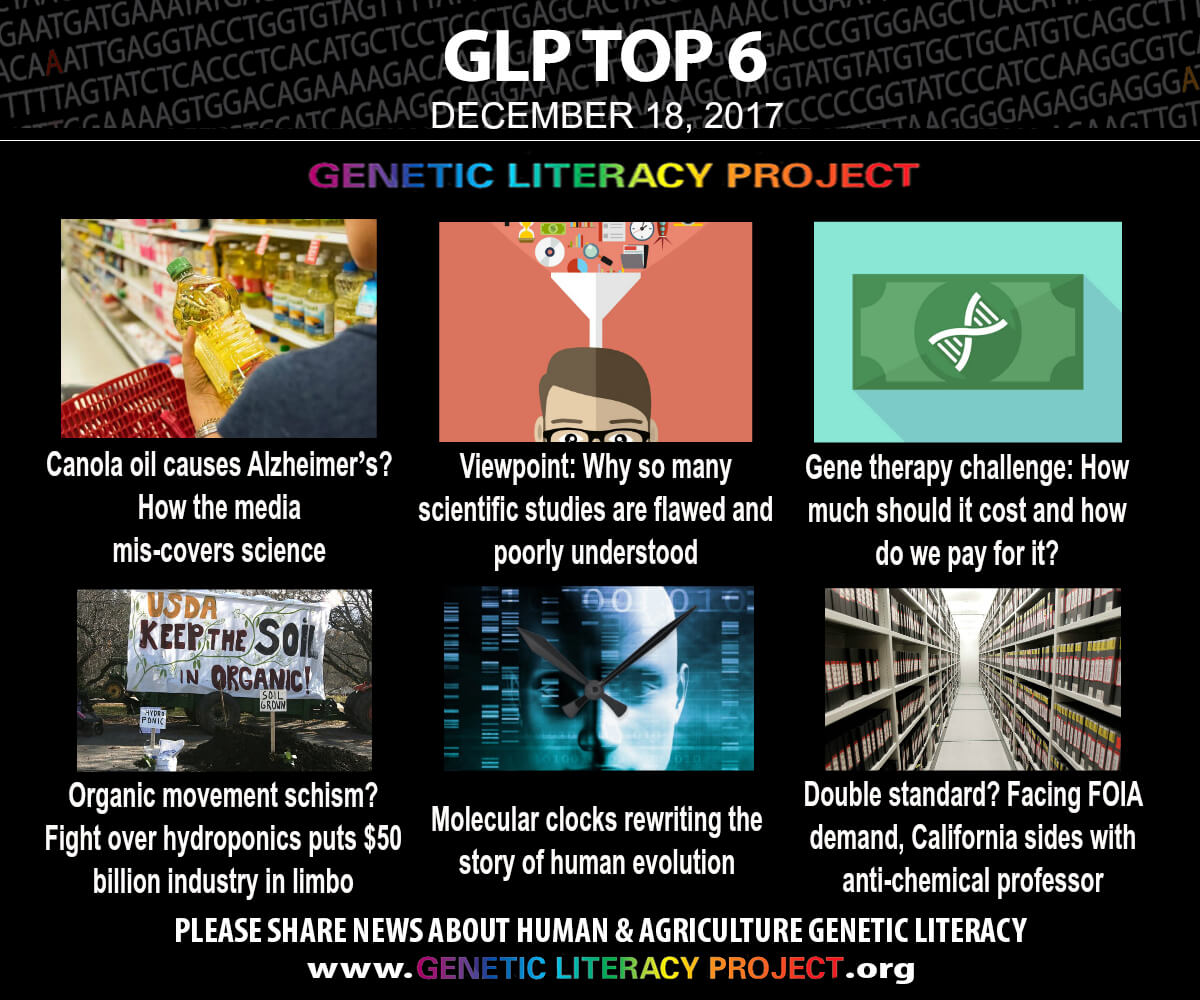
Genetic Literacy Project’s Top 6 Stories for the Week – Dec. 18, 2017

GLP Top Dec


  1. Canola oil causes Alzheimer’s? How the media mis-covers science, feeds NGO misinformation and scares the publicKevin Folta

  2. Viewpoint: Why so many scientific studies are flawed and poorly understoodS. Stanley Young

  3. Gene therapy challenge: How much should it cost and how do we pay for it?Ricki Lewis

  4. Organic movement schism? Fight over hydroponics puts $50 billion industry in limboJoan Conrow

  5. Molecular clocks rewriting the story of human evolutionPriya MoorjaniBridget Alex

  6. Double standard? Facing FOIA demand, California sides with anti-chemical professor, blocking email releaseStephan Neidenbach

To stay up to date on all the news in human and agricultural genetics, subscribe to our daily and weekly email newsletters, and follow us on Facebook and Twitter.

Afraid of public backlash, skittish investors keep promising GMO crops off the market

image

In the basement of Koshland Hall at the University of California at Berkeley is a trove of seeds with the potential to fix some of agriculture’s most vexing problems.

There are wheat seeds—both hypoallergenic, so more people could eat it, and of a variety able to better withstand unpredictable rainfall—a growing problem because of climate change. UC Berkeley scientists also developed seeds for tomatoes resistant to bacterial spot disease, producing a plant that could combat a pock-marking that leaves the fruit scarred and undesirable. There’s even a fast-germinating barley that could save beer brewers millions of dollars.

Aside from their potential, each of these innovations has something else in common: They’re all the result of genetic modification. And that’s where the problems start.

“None of what we’ve done has made it anywhere,” says Peggy Lemaux, a crop biotechnologist at Berkeley.

From Lemaux’s perspective, loud, anti-GMO sentiment from activists and consumer groups have kept investors away, even when there’s a huge opportunity for benefits—and profit. That speedy barley, for example, was developed at the request of beer giant Coors Brewing Co. (now Molson Coors Brewing Co.) But when it was ready, Lemaux said, Coors no longer wanted it. “By the time we went back to them, they were like, ‘oh no, we’re not doing that.’”

Read full, original post: GMOs Might Feed the World If Only Investors Weren’t So Scared

Treating spinal cord injuries by genetically modifying cells that help us smell

file

Researchers from the University of Bristol have just shared the promising results of a new treatment for spinal cord injuries that could help regenerate nerves and potentially improve patients’ quality of life.

The new therapy involves the transplantation of cells that have been modified to secrete a molecule that helps to remove scarring caused by spinal cord damage. This scarring can limit the regrowth of nerves, thus greatly hindering a patient’s potential for recovery. Previous studies have shown that the enzyme chondroitinase ABC (ChABC) is effective at promoting nerve regrowth when used as a part of drug therapies for spinal injuries.

Olfactory ensheathing cells have the ability to regenerate and repair themselves over the course of a person’s life in order to maintain the sense of smell. That ability makes these cells ideal for genetic modification when the goal is prolonging a molecule’s lifespan.

For their study, which has been published in PLOS ONE, the researchers injected mice with canine olfactory ensheathing cells that had been genetically modified to secrete ChABC. After transplantation, they observed the successful secretion of ChABC as well as the removal of some scarring. They also noted signs of successful nerve regeneration.

It is an important proof-of-concept for this revolutionary treatment method, but more testing is needed to determine effectiveness.

Read full, original post: Our Sense of Smell Provides a New Way to Battle Spinal Cord Injuries

Isolating DNA for research inexpensively in 30 seconds

rPYiIThVnfIsrIMqS T KC tHksNZp lsI QPV o JyTelmsPirIrTV eFsPo Mefr EQ YXCjSxmpu dVLiBvNAwFMV xVuOKdtD yFuSsobrs

The ability to extract DNA from cells is a cornerstone of molecular biology. Without the ability to isolate pure DNA, there is no ability to sequence, clone or manipulate that DNA.

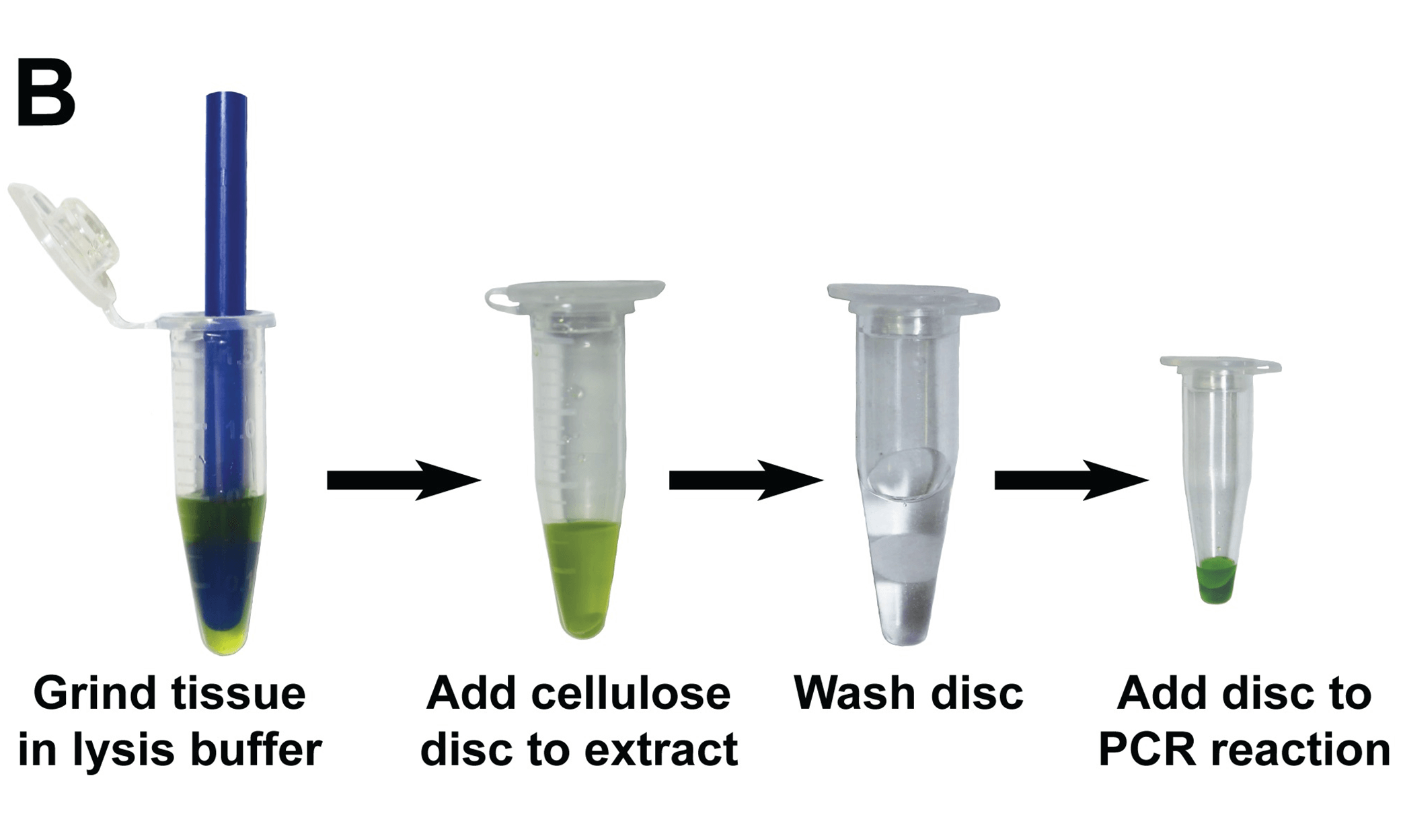
Now, there is an even faster method developed for DNA and RNA isolation, and it takes about 30 seconds. The method uses revolutionary “dipstick” technology. The protocol (if it can even be called that) is shown below.  In it, a tissue sample is ground up and the dipstick (made of wax-coated filter paper) is placed into it, almost immediately capturing the DNA and RNA. Impurities can be washed away while the DNA and RNA stay attached to the paper which can then be transferred to the next step.

Even more remarkable, the new technique can isolate DNA from plants, animals, and microbes and very challenging biological samples such as blood and leaves from adult trees. This new method is cheaper (estimated at roughly $0.15 per sample), faster and easier than anything else available. Also, it does not require any accessory lab machinery such as a centrifuge or pipettes.

In essence, this will not only give researchers in labs around the world more time and money for more complicated experimentation, it will also take down the wall that exists between the lab and the rest of the world.

journal pbio g

Read full, original post: DNA Isolation In 30 Seconds Is A Dream Come True For Scientists

New herbicide-resistant GMO crops renew worries about Monsanto’s seed market dominance

vagas monsanto e

The rapid growth of Monsanto’s new GMO seeds resistant to the controversial herbicide dicamba has revived worries about the company’s stranglehold over farming during a period of industry consolidation.

Long a producer of dicamba, Monsanto last year introduced genetically-modified cotton and soybean seeds that can resist the weed killer.

The products took off, amassing more than 20 percent of US soybean fields and 50 percent of US cotton fields in just two years, according to Monsanto data.

The seeds are popular because they boost yield on farms, and some consumers also use dicamba in their fields to get rid of weeds that have become resistant to other herbicides.

However, dicamba is controversial in the US farm belt amid complaints that neighboring crops have been damaged by the herbicide.

Now some farmers say they are being forced to use the new GMO seeds to guard against dicamba.

University of Wisconsin professor Kyle Stiegert said Monsanto’s approach to dicamba is part of a larger pattern of increasing dominance by a few players.

“Monsanto has been an aggressive business entity in dominating the seeds industry for some time now,” said Stiegert, who teaches agricultural and applied economics. “I would see the dicamba situation as just another step in that direction.”

Read full, original post: Latest Monsanto GMO seeds raises worries of monopoly

2017: The year gene therapy became a ‘clinical reality’

Screen Shot at PM

This year, gene therapy finally became a clinical reality. The U.S. Food and Drug Administration approved two personalized treatments that engineer a patient’s own immune system to hunt down and kill cancer cells. The treatments, the first gene therapies ever approved by the FDA, work in people with certain blood cancers, even patients whose cancers haven’t responded to other treatments.

Called CAR-T cell immunotherapy (for chimeric antigen receptor T cell), one is for kids and young adults with B cell acute lymphoblastic leukemia, or ALL, approved in August (SN Online: 8/30/17). The other is for adults with non-Hodgkin lymphoma, approved in October. Other CAR-T cell therapies are in testing, including a treatment for multiple myeloma.

“It’s a completely different way of treating cancer,” says pediatric oncologist Stephan Grupp, who directs the Cancer Immunotherapy Program at the Children’s Hospital of Philadelphia. Grupp spearheaded the clinical trials of the newly approved ALL therapy, called Kymriah.

Of the 63 kids and young adults treated in a clinical trial of Kymriah, 83 percent had their cancers go into remission within three months.

One drawback is the price. Kymriah costs $475,000 for a onetime treatment, according to Novartis, which makes Kymriah. The non-Hodgkin lymphoma treatment made by Gilead Sciences, called Yescarta, is listed at $373,000.

Read full, original post: Approval of gene therapies for two blood cancers led to an ‘explosion of interest’ in 2017

Ginkgo Bioworks: $1 billon company uses genetically engineered microbes to make food, fragrances

Screen Shot at PM

Ginkgo Bioworks, the biotech startup that’s genetically engineering microbes to make everything from fragrances to food, is ramping up production with a round of capital that values it at more than $1 billion.

The Boston company announced … that it has raised the eye-popping sum of $275 million, meaning it’s raised a total of nearly $430 million. Its new status as a “unicorn,” or a privately held company valued at more than $1 billion, was first reported by Recode and confirmed by a company spokesperson.

Ginkgo tinkers with the DNA of tiny organisms, such as yeast, so they in turn produce a trait or ingredient desired by its clients. One example: For the French perfume company Robertet, Ginkgo synthetically developed a peach scent that can be bottled up in a fragrance.

This process has clear environmental and safety advantages, according to CEO Jason Kelly: It doesn’t require animal-testing or emit greenhouse gases.

“Biology is just a fundamentally better way to make stuff compared to traditional manufacturing,” Kelly, one of five Massachusetts of Institute Technology scientists who founded Ginkgo in 2008, told BuzzFeed News. “We shouldn’t be manufacturing products, we should be growing stuff.”

In addition to Robertet, Ginkgo has been hired by the US Department of Defense to create probiotics that would help soldiers stave off stomach bugs, and the food manufacturing companies Swissaustral and Kerry.

Read full, original post: The Latest “Unicorn” Genetically Engineers Everything From Perfume To Food

High-yield GMO wheat could help Egyptian farmers—but government still hasn’t passed biotech law

d b b fbd fa a acd d d x x

Government researchers have made two advances that could increase the national production of wheat in a country that is sometimes cited as the world’s largest wheat importer. One advance involves a new compound that would be used to treat wheat seeds. The other involves the genetic manipulation of the wheat seeds themselves.

The results of experiments with both new techniques, which were published in the journal Gesunde Pflanzen, detail how the researchers developed the compound and changed the genetic material of the seeds. The scientists concluded that the genetic engineering and the application of the compound, used together, can increase wheat yield by 68 percent.

Although their new compound won a patent, they are not yet able to produce it because it is currently illegal to manufacture genetically modified products in Egypt. Indeed, with the new research, Egyptian scientists have stepped into a global controversy about “genetically modified” foods. Egyptian law on the subject is not clear.

“To date, there is no legislative law that organizes and regulates the production, circulation and use of genetically modified organisms or the control of genetic engineering research,” said Rasha Ali, a researcher at the Department of Biochemistry for Plant Protection at the National Center for Research. “This keeps all the research in this field in drawers,” she added.

A law was drafted and proposed in 2016, but it has yet to be debated by parliament.

[Editor’s note: Read the full study (behind paywall)]

Read full, original post: In Egypt, Genetic Crop Modification Is On Hold

Can CRISPR really save lives? People with beta thalassemia blood disease likely first human trial subjects

crispr dna editing x

For those who have no idea what CRISPR is all about, the abbreviation means “Clustered Regularly Interspaced Short Palindromic Repeats.” It’s a family of DNA sequences in bacteria. The sequences here play a huge role in fighting bacteria within the body, and if improved, could fight dangerous illnesses as well. This technology for gene-editing treatment has been in the works for quite some time, but could finally come to market due to a company known as CRISPR Therapeutics.

The company says it’s ready to test its findings on people, and as such, it has asked regulators in Europe to allow them the chance to cure the disease, beta thalassemia. The plan is to add genetic corrections to the blood cells of the affected. Should everything go according to plan, the study could begin as soon as 2018.

[T]hree companies came on the scene with the task of changing the health sector forever. These companies are CRISPR Therapeutics, Editas Medicine and Intellia Therapeutics. All are located at MIT in Cambridge, Massachusetts, and just a few blocks from each other.

When these startups first came on the scene, much of what was needed were left up to the imagination of investors. Still, they have managed to move quite quickly to get CRISPR from the testing stage to a point where it’s ready for human testing.

CRISPR

Read full, original post: Biotech Companies Are Preparing the First CRISPR Test on Humans

Bringing home the bacon: Will consumers eat gene-edited pigs?

Screen Shot at PM

Genetic selection through precise breeding programs U.S. pig farmers with assistance from genetic companies have drastically increased the number of finished pigs per sow for over 85 years. As a result, live weight per sow per year climbed from 800 pounds to 4,200 pounds. Do the math that is 3,400 more pounds that one sow generates through increased litters, more piglets surviving along with better feed conversion.

Still, there is always room for growth and improving the pork produced.

Heart-healthy bacon — is that possible? Yes, just ask the University of Missouri research team. Through gene editing, a pig rich in omega-3 fatty acids is possible.

Similarly, PRRS-resistant pigs are here. A way to end reproductive PRRS is here. A disease that costs the United States easily $600 million annually could be stopped in its tracks if the genome editing animals were consumer accepted and government approved.

Theoretical concepts that scientists have already tackled through gene editing however the research sits on a shelf.

The scientists are solving problems through biotechnology, but the science is falling to fear of unknown and political antics. Fear trumps science every day in the consumers’ world.

Getting the public to accept game-changing biotechnology is about making them feel safe.

Read full, original post: Consumer acceptance of GE animals? The loaded million-dollar question

‘Supermalaria’ may be heading to Africa, as global health threat grows

supermalaria

[Editor’s note: Janet Midega is a scientist at the KEMRI-Wellcome Trust Research Program in Kilifi, Kenya and a research associate at the University of Oxford’s Center for Genomics and Global Health.]

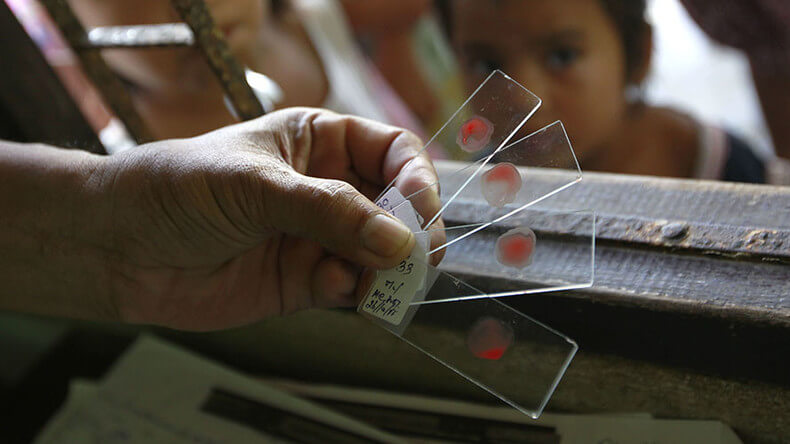
There has been growing hope in recent years that malaria could eventually be eradicated but that sense of optimism is currently facing some major new challenges. Scientists are warning that a “supermalaria” parasite is spreading rapidly across Southeast Asia, and could pose a global health threat if it spreads to Africa. It is resistant to artemisinin, the recommended first-line treatment for malaria. In addition, if the U.S. Congress carries out the proposed 44 percent cut to the President’s Malaria initiative (PMI) funding, it could have a significantly undercut prevention and treatment programs. Projections show that the PMI cut alone could lead to an additional 300,000 malaria deaths over the next four years.

The malaria research community has a great sense of commitment to exploring ways of controlling the disease and mustn’t be despondent even in the face of supermalaria. It might take a lot of time, work and funding to tackle this new challenge but we have more experience and knowledge than ever before. However, to keep the hope of malaria eradication in our sights, we must apply the lessons learnt over the decades of successful malaria control to halt the spread of this super parasite and avert a crisis. It might be a new battle to face, but it doesn’t mean that we have lost the war.

Read full, original post: “Supermalaria” Is on the Way

How plants learn and use memories for prediction and decision-making

Plants Have Their Own Internet

[Editor’s note: Laura Ruggles is a philosophy PhD candidate at the University of Adelaide in Australia.]

The idea that plants can behave intelligently, let alone learn or form memories, was a fringe notion until quite recently. Memories are thought to be so fundamentally cognitive that some theorists argue that they’re a necessary and sufficient marker of whether an organism can do the most basic kinds of thinking. Surely memory requires a brain, and plants lack even the rudimentary nervous systems of bugs and worms.

However, over the past decade or so this view has been forcefully challenged. … Plants are not simply organic, passive automata. We now know that they can sense and integrate information about dozens of different environmental variables, and that they use this knowledge to guide flexible, adaptive behaviour.

For example, plants can recognise whether nearby plants are kin or unrelated, and adjust their foraging strategies accordingly.

Plants also communicate with one another and other organisms, such as parasites and microbes, using a variety of channels – including ‘mycorrhizal networks’ of fungus that link up the root systems of multiple plants, like some kind of subterranean internet. Perhaps it’s not really so surprising, then, that plants learn and use memories for prediction and decision-making.

Read full, original post: The minds of plants

Challenging the narrative that someone is manipulating the UN debate over gene drives

gene drive

It had scandal written all over it. Disclosed emails revealed that a covert coalition lobbying for relaxed regulations around a genetic extinction technology, with help from a well-funded public relations firm, Emerging Ag, was attempting to game the system and manipulate the United Nations Convention on Biological Diversity (CBD). That was the spin in press releases (see herehere, and here) issued last week by several watchdog groups that want a moratorium on research related to gene drives, which could enable bioengineers to increase the odds of passing down genes to offspring. The people in the supposed covert coalition say it’s nothing of the sort, they have no interest in gaming the system, and that their opponents are manipulating the truth. “It’s complete bullshit,” says Todd Kuiken, a synthetic biology researcher at North Carolina State University in Raleigh, who is a central target of the criticisms. “It’s asinine.”

Nature on 5 December published an unsigned editorial that said the “unfair attempt to create damaging and polarizing spin” on the Gene Drive Files could “de-legitimize scientists’ role in the UN talks.” It further dismissed the emails as “mostly mundane discussion about research and meetings” and compared their release to hackers in 2009 stealing files from climate researchers to try to influence a U.N. meeting.

Read full, original post: Is there really a covert manipulation of U.N. discussions about regulating gene drives?

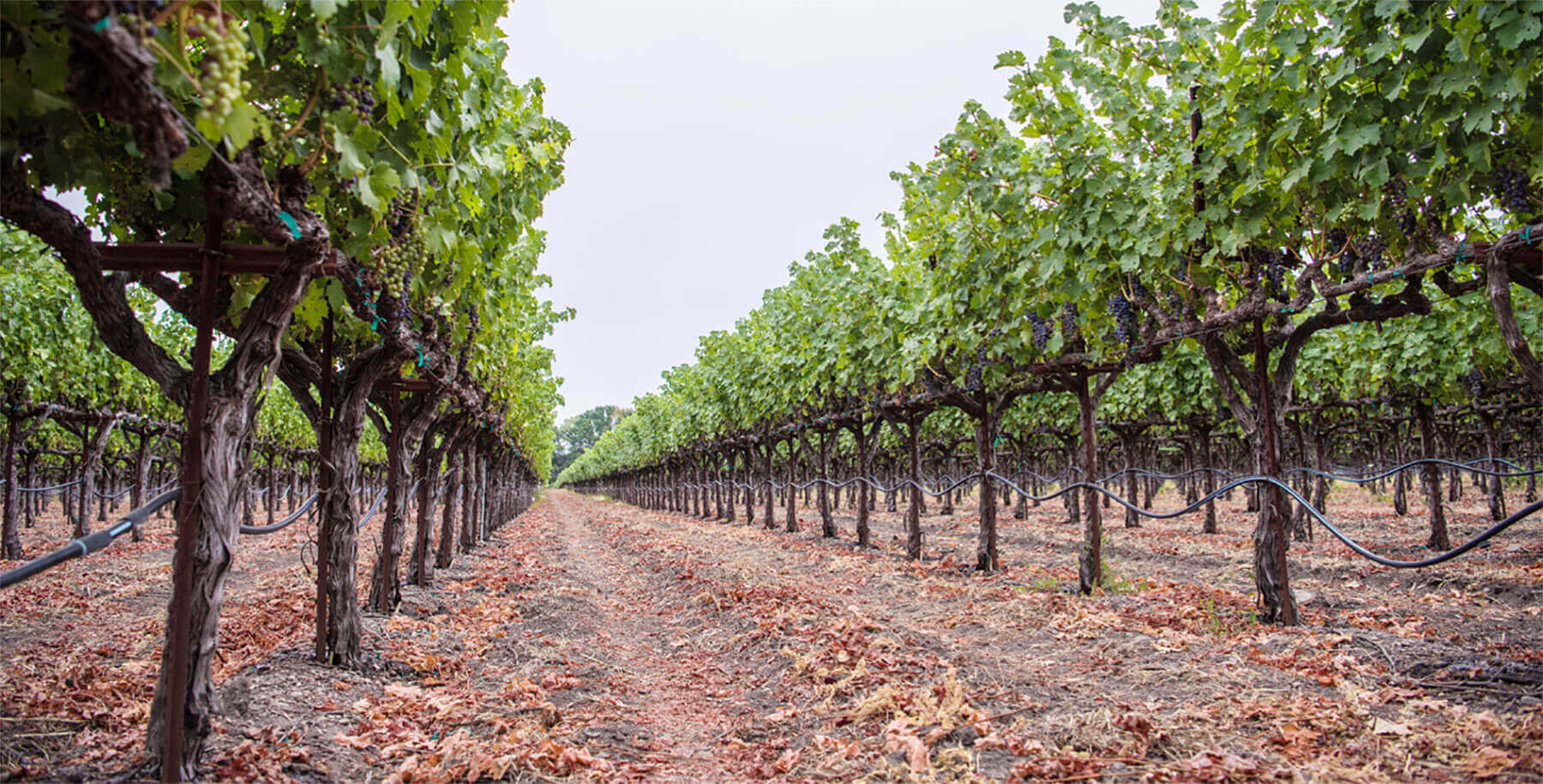
To protect vineyards from pests and reduce pesticide use, CRISPR could be the answer

vineyard

Wine growers face a lot of natural enemies. Drought, too much rain, insects and fungus are common problems when growing grapes for fermentation. And consumer demand for flavor and aroma also can confound an otherwise healthy winery.

Many winegrowers have turned to pesticides, including the organic farming-approved fungicide copper sulfate. But copper sulfate has presented persistent issues, like resistance, to organic and conventional wine growers alike. For some wine growers and researchers, genetics may provide a solution to the pest problems. And the new technique, CRISPR/Cas9, has shown promise (at least in the lab) against a particularly nasty wine grape pest—powdery mildew.

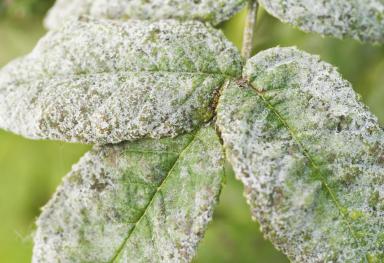
Powdery mildew is a fungus that can scar mature fruit, infect buds, and leave a white powdery coat over grape leaves. Once enough leaves fall off, the plant can no longer produce enough sugar to create wine-quality grapes. And, as journalist Brooke Borel pointed out in her article for NOVA, powdery mildew is found anywhere on Earth where wine grapes are grown.

Copper sulfate has been one of the ways to keep powdery mildew at bay, but plants have started showing resistance and there have been issues involving persistence of elemental sulfur in the ground. Previous articles in the Genetic Literacy Project and elsewhere have profiled organic wineries in France and the United States that have shed their organic status because of concerns about copper accumulation.

vineyard 12 14 17 1
Leaves afflicted with powdery mildew

One area that’s been looking at CRISPR is the laboratory of Rong Di at Rutgers University, in New Jersey. The Garden State is the country’s seventh-largest producer of wines, and has three registered growing areas, two of which totaling more than 2.5 million acres. While the soil is right, the climate is humid (the American Viticultural Area, which is the official mark of a wine growing region, terms New Jersey as “subtropical”), which is also perfect for powdery mildew.

Di’s lab has isolated three genes in the grapes that appear to allow powdery mildew spores to attach and begin attacking wine grapes, particularly chardonnay. CRISPR, which is short for clustered regularly interspaced short palindromic repeats, works by precisely editing and splicing out areas where a gene may exist. This technique could excise or shut down the functions of genes that can make it easier for powdery mildew to attach and attack. If it works in the field, it could mean growers wouldn’t need to use copper sulfate or a host of other fungicides.

Whether this is acceptable to consumers and oenophiles is another question. There are many, many other varieties of wine grapes besides chardonnay that can resist fungus and other pests. But nearly all of which are never used in wine production, due to perceptions of public interest particularly because people want the taste of a known variety, and not an unknown. Ironically, chardonnay itself is the product of the revered pinot variety, and a very unpopular type called gouais blanc that no well-drenched wine expert would be caught dead drinking.

Other genetic avenues are under exploration:

  • At Andy Walker’s lab at the University of California at Davis, researchers are looking at developing wine grapes that are resistant to Pierce’s Disease, which is an infection deadly to grapevines, caused by the bacteria Xylella fastidiosa (which also causes problems for olive trees), and spread by sharpshooter leafhoppers. Here, they’re using traditional crossing and marker-selected breeding to combine grapevines with some resistance with other, perhaps better tasting wine. One strain from northern Mexico, Vitis arizonica, gets its PD resistance from one dominant gene, making it easy to breed using marker assistance and get flowers and fruit within two years.
  • Mark Fuchs, a researcher at Cornell University, has looking at using genetic modification to develop wine grapes resistant to grapevine fanleaf virus (GFLV), which is spread by a nematode vector and damages leaves and stalks, and prevents berries (grapes) from developing. This virus has not been susceptible to a number of other methods, Fuchs is looking at using RNAi (RNA interference) to create a new resistance to the virus.

Many grapes and mildews strain genetics

Fuchs’ work illustrates one problem that’s also an issue with powdery mildew. There are many strains of mildew and fan leaf virus, making specific resistance a challenge (you’d have to make sure that your new strain and genes could resist all of them).

Another issue is that it’s not clear whether knocking out certain resistance genes or inserting others could have any effect on flavor. That’s because the aroma and taste of wines come from a lot of sources, and not necessarily protein (and therefore not genetically) based. About 50 volatile compounds help produce the odors in wine, including hexanal, phenylethyl alcohol, guaiacol, and vanillin. Wine growers look for just the right balance of these chemicals during ripening, as grapes ripen and volumes of sugar compounds begin the increase. Exactly when that right point is reached is not an exact science.

And, as this study led by Cornell University scientist Edward Buckler showed, there is an enormous variety in wine grapes. Because of their chemical and genetic complexity, wine grapes are a tough candidate for genetic modification approaches. And while gene banks do exist that have thousands of varieties of wine grapes, few are used because of customer/expert/industry preferences. It’s distinctly possible that a new, disease-resistant grape that tastes good to arise the same way the old warhorse chardonnays did—by mixing the good with the bad. Prost!

Andrew Porterfield is a writer and editor, and has worked with numerous academic institutions, companies and non-profits in the life sciences. BIO. Follow him on Twitter @AMPorterfield.

What differentiates humans from chimps: Differing DNA or different expression of similar genes

Screen Shot at AM

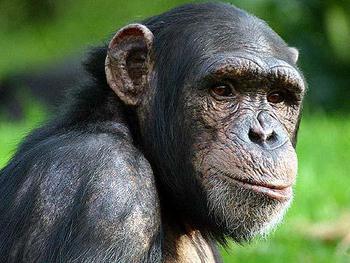
Why are we so different from our closest relatives, the chimps? Puzzling, since there seem to be few DNA differences between our two species. But researchers are looking hard at those differences in hopes of identifying uniquely human stretches of the genome that help make us quite unlike our nearest ape kin.

Findings have reported on two different stretches of uniquely human DNA that seem likely to contribute to building bigger brains, in particular the exceptionally big human brain. Could these answer why are so different from those animals that are very genetically similar?

Brainy convolutions

One study described a gene that not only triggers brain growth, it can stimulate creation of the folds and fissures on the brain surface that are characteristic of primate brains and exceptionally prominent in the human brain. Folding increases the brain’s surface area, making more room for neurons to process and store information.

Researchers at the Max Planck Institute of Molecular Cell Biology and Genetics in Dresden, Germany, went looking for a gene that was particularly active during development of the cortex, which happens very early in life. The cortex is the thin outer layer of brain tissue believed to be essential for memory, attention, awareness,  and, in humans, thought, language, and consciousness.

They found the gene by examining gene activity in aborted human fetal tissue and comparing it with tissue from mouse embryos, identifying 56 human genes that the mouse lacked. The most active was a gene called ARHGAP11B, a partial duplication of an existing gene. The duplication arose sometime after human evolution split off from the line that led to chimps some 5 or 6 million years ago. It is uniquely human, being present in Neanderthals and Denisovans, our long-gone kin, as well as anatomically modern humans, the last Homo standing. (That’s us.)

The researchers found out what ARHGAP11B did by putting it into transgenic mice. It doubled the mice’s cortical stem cells and increased their brain size.

Startlingly, some of the transgenic mouse brains developed convolutions.

Mice don’t have brain convolutions.

These folds are more like ripples, nothing like the convolutions in primate brains, let alone the complex fissures of the human brain. But still.

You don’t need a gene to make a big brain
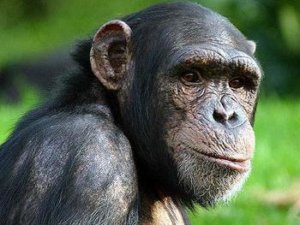
chimp 12 14 17 2Keep in mind, though, what Marta Florio, the first author of the ARHGAP11B paper, told Live Science: it’s likely this gene is just one of many genetic changes that make human cognition special.  It is not the gene for a big convoluted brain.

The fact is that you don’t need a gene to make a big brain. In fact, it’s quite likely that a lot of the DNA that’s crucial for making a big human brain doesn’t come in the form of genes at all.

Here I’m using “gene” in the sense we usually mean it, a stretch of DNA that codes for a protein. That’s what ARHGAP11B does. But protein-coding genes occupy only a minuscule 1 percent of the human genome. The rest of itformerly known as junk DNA, now called non-coding DNA—is largely still a mystery. But it’s clear that much of it, maybe most of it, is supervising what genes do. Regulating gene action.

Which is why, forty years ago, scientists proposed that the phenotypic differences between humans and chimps—those dramatic differences in appearance and behavior—came about largely because we humans evolved new ways of regulating our similar genes.

Since then researchers have identified many DNA regions that didn’t change much during the evolution of mammals, including most primates, but began to explode with variation, many of them after the first early hominins diverged from the evolutionary line leading to chimps.

These DNA bits are called Human-Accelerated Regions (HAR). HARs are present in our dead-and-gone relatives, the Neanderthals and Denisovans, as well as us.

HARs lie mostly in non-coding DNA. That has made their functions not so easy to figure out. But there are hints about what they do, because HARs are not scattered randomly in the genome.

HARs cluster near genes that are important in earliest life and in the central nervous system, the brain and spinal cord. Which makes perfect sense, because our big brains, and the behavior that originates there, makes us so different from other creatures.

A paper from researchers at Duke University has backed that up, showing that HARE5 regulates a gene that figures in brain development and size. (The E in HARE means that this DNA region, accelerated in human evolution, acts as an enhancer, which is to say it enhances the transcription of an associated gene.)

No, it does not enhance the ARHGAP11B gene. Nothing so simple and neat where the human brain is concerned. It regulates an entirely different gene, one that has a much more captivating name: Frizzled-8, Fzd8 for short. As Marta Florio said, many genetic changes have shaped the human brain.

Human HARE5 differs from the chimp version in only a few places, but the consequences are huge. Literally huge. The researchers demonstrated just how huge by making transgenic mice, some with the chimp version of HARE5 and some with our version.

Mouse embryos with the human HARE5 had brains 12 percent larger than the mice with chimp HARE5. Mouse brains start developing on the 9th day of embryonic life. Human HARE5 appears to make the stem cells that will turn into neurons divide faster and therefore makes a lot more of them.

This work is the first time scientists have shown a direct connection between a HAR and a functional outcome—in this case a dramatic effect on brain anatomy.

“I think HARE5 is just the tip of the iceberg,” one of the researchers told blogger Ed Yong. “It is probably one of many regions that explain why our brains are bigger than those of chimps.

Does a big brain change behavior?

chimpEven more interesting is the question of whether the ARHGAP11B gene and human HARE5 do more than enlarge brains. Do they produce changes in behavior and cognition as well?  Will their bigger brains make these transgenic mice smarter? Testing is under way to check that out in both labs.

Which raises an ethical question. Could—or should—discoveries such as this one be used eventually to create smarter animals? Is there a future for Planet of the Apes outside of Hollywood?

Johns Hopkins bioethicist Ruth Faden told NPR she thinks it’s a far-fetched concern. Still, she said, “The prospect of, sort of, tearing down the barriers between humans and other nonhuman species in ways that really threaten our sense of ourselves as special is disturbing.”

Tabitha M. Powledge is a long-time science journalist and a contributing columnist for the Genetic Literacy Project. She also writes On Science Blogs for the PLOS Blogs Network. Follow her @tamfecit