Since the late 19th century, the so-called “Khazarian theory” has promoted the idea that a bulk of Ashkenazic Jews living in Eastern Europe descended from medieval Khazars, a semi-nomadic Turkic people who founded a powerful polyethnic state in the Caucasus and north to the Caspian, Azov and Black seas.
…
[T]he theory is absolutely without evidence. As any historian will tell you, generations of Jews, like generations of any people, leave historical traces behind them. … Predictably, archaeologic evidence about the widespread existence of Jews in Khazaria is almost nonexistent.
…
[Another] discipline can help us put to rest the Khazarian hypothesis: onomastics, or the study of proper names. Looking at names, both first names and surnames, gives us a sense of how a community saw itself, its language and its origins. And in the Jewish communities of Eastern Europe over the past six centuries, not a single Turkic name can be found in documents listing Jewish names.
…
Finally, we come to genetics. One does not have to be a professional geneticist to see the inadequacy of the methodologies used by Eran Elhaik, the champion of the “Khazarian theory” in that domain. In his paper of 2013, he pretends to show that modern Ashkenazic Jews are genetically closer to Khazars than to biblical Hebrews.
Environmental group Friends of the Earth has released a YouGov survey showing that over three quarters of the UK public (76%) think the government should support EU proposals to extend current restrictions on pesticides to all crops.
The survey has been released amid the Conservative Party Conference in Manchester [October 2nd], where [Department for Environment, Food & Rural Affairs] Secretary Michael Gove is expected to give a speech.
…
In 2013, three neonicotinoid pesticides were restricted from being used on flowering crops attractive to bees across the EU after it was revealed that they posed a threat to them.
However, neonicotinoid treated seeds are still used in other crops – such as wheat.
The European Commission is due to discuss the issue [October 5th-6th], where Member States are expected to indicate whether or not they support the proposal.
“The UK public are firmly in favour of extending the current ban on bee-harming pesticides to all crops,” Friends of the Earth chief executive Craig Bennett.
“With overwhelming scientific evidence of the threat neonicotinoid chemicals pose to Britain’s bees, Michael Gove must commit the UK to supporting a total ban.”
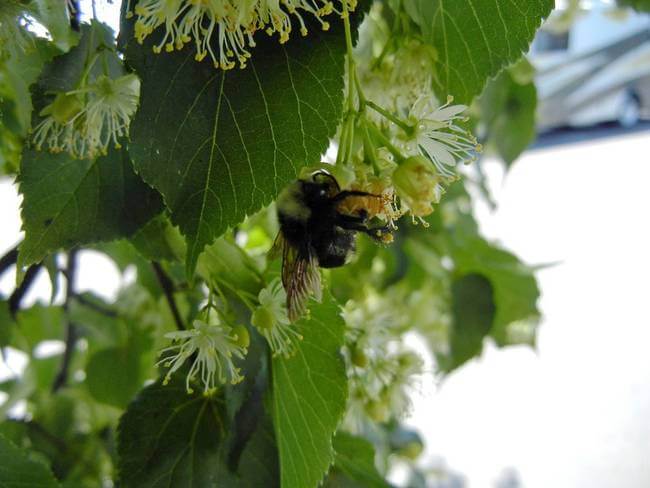
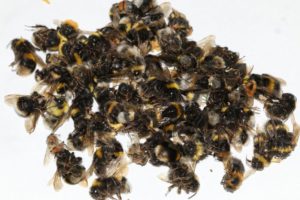
Visitors in the Kew Royal Botanic Gardens near London have reported hundreds, if not thousands of bees, especially bumblebees, sick or dead, beneath fragrant, flowering Tilia [a form of Linden] trees. Similar reports have been made in other parts of Britain and Europe, as well as the United States — as long ago as the 16th century.
What happened?
…
This case isn’t closed, but here’s what the researchers believe following their review: The bumblebees end up relying too much on the Tilia as a food source because they form strong associations with its odor, color or flower shape. It’s even possible that nicotine or caffeine, which some evidence suggests is in linden nectar, enhances these associations (as it has for honeybees with citrus and coffee plants). More experimentation is required, but the bees may continue visiting Tilia, perhaps instead of other flowers, even when there’s nothing left to eat.
“It takes them too long to realize that’s not a good source of nectar before they drop to the ground,” [said Philip Stevenson, a chemical ecologist at the Kew Royal Botanic Gardens and the University of Greenwich in the United Kingdom].
The more we learn about the history of our own world, and the wider solar system, the more we see how both minor and major events in one era can cascade into radical changes in another. Contingency beats at the heart of many things; from planetary orbits to the present nature of life on Earth…Our problem seems to be an inability to turn inaction into action, to stay focused and on task as a collective of hominids. It appears that we need constant reminding and nudging.
…
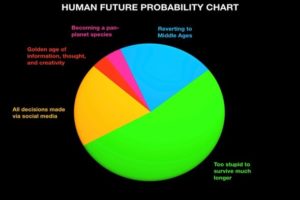
I wonder if we don’t need more of these reminders, and perhaps a little more quantitative clout. After all, we live in the age of deep learning, Bayesian statistics, and simulated future climates and societies. Instead of a warning buzzer, can’t we estimate the probability of what’s to come? … Right now I have nothing to offer except a cheeky example, laden with dark humor [image below]. But I think this could be done seriously (with genuine probabilities and projections), and perhaps it’s time we looked at these odds for our future and used them to guide our choices instead of relying on either optimism or pessimism.
The GLP aggregated and excerpted this blog/article to reflect the diversity of news, opinion, and analysis. Read full, original post: Putting Odds on the Human Future
Genital herpes infects about one in six American adults. But who was patient zero, the individual responsible for this irritating scourge? Researchers in England believe they’ve found him, or at least his species: Paranthropus boisei, a heavyset, bipedal hominin likely passed the first case of genital herpes to our ancient ancestors.
…
They already knew that HSV2, the virus responsible for genital herpes, probably entered early humans before they left Africa. And that initial entry would have enabled its spread to wherever they migrated.
…
Simon Underdown, an anthropologist at Oxford University and lead study author, told Newsweek that just one infected ancient human ancestor could have caused this virus to spread throughout the entire species. “We know a lot of these species did not have large population sizes and from a biological point of view it would only need one infection to jump across,” said Underdown.
…
Underdown doesn’t think the initial infection was sexually transmitted because. It’s highly unlikely that humans would have found the P. boisei “sexually appealing,” he says. Following the initial infection, HSV2 likely spread from the mouth to the genitals through touch, perhaps from urinating or scratching. And once the virus found a home with humans, it stayed.
What could be conceptually simpler than labeling a food product? You tell the customers what’s in the product, or maybe what’s not in it, or maybe what you did to manufacture it—or what you didn’t. Sugar-free, protein-rich, bird-friendly, shade-grown, non-GMO, made with organically grown crickets, anything you like. Just inform the buyers and let them make rational decisions.
The problem, of course, is that human beings are apparently not designed to make consistently rational decisions. And that’s true even when we’re dealing with apparently objective information like the claims we find on food labels.
If you’re not persuaded, you might want to check out “Labeling Food Processes: The Good, the Bad and the Ugly” … just published in Applied Economic Perspectives and Policy. The article provides an up-to-date review of the evidence on how food labels—and especially the “free-from” and production-oriented labels (fair-trade, dolphin-safe, and the like) actually affect consumers.
…
When you put products on the market labeled “gluten-free,” or label something as free from some substance, it doesn’t prove useful just to people who need to or want to steer clear of the substance—it devalues all the products that don’t declare themselves free of the substance. You create a presumption that the product without is superior to the product with.
[Editor’s note: Heather Heying is an evolutionary biologist at Evergreen State College. She and her husband, Bret Weinstein, were targeted by protestors at ESU after taking a stand against an equity event on campus.]
Who would have guessed that when America cleaved, the left would get the National Football League and the right would get uncontested custody of science?
The revolution on college campuses, which seeks to eradicate individuals and ideas that are considered unsavory, constitutes a hostile takeover by fringe elements on the extreme left. Last spring at the Evergreen State College, where I was a professor for 15 years, the revolution was televised—proudly and intentionally—by the radicals….
Extremists on the left are going after science. Why? Because science seeks truth, and truth isn’t always convenient.
…
In a meeting with administrators at Evergreen last May, protesters called, on camera, for college president George Bridges to target STEM faculty in particular for “antibias” training, on the theory that scientists are particularly prone to racism. That’s obvious to them because scientists persist in using terms like “genetic” and “phenotype” when discussing humans. Mr. Bridges offers: “[What] we are working towards is, bring ’em in, train ’em, and if they don’t get it, sanction them.”
…
Science creates space for the free exchange of ideas, for discovery, for progress. What has postmodernism done for you lately?
The GLP aggregated and excerpted this blog/article to reflect the diversity of news, opinion, and analysis. Read full, original post: First, They Came for the Biologists (behind paywall)
A unit of Brazil’s competition regulator Cade said the $66 billion takeover of Monsanto Co. by German life sciences firm Bayer AG could be detrimental to competition, a document released on the agency’s website shows.
The Bayer-Monsanto transaction, announced in September 2016, would create the world’s largest integrated pesticides and seeds company.
The Cade unit said that anticipated merger-related efficiencies were insufficient to mitigate its competition concerns, according to the document dated Oct. 3.
It recommended what it termed as “structural solutions” as a condition for final approval the deal, which will be in the hands of Cade’s seven-member tribunal.
The Cade unit said it had not engaged in an in-depth discussion with Bayer and Monsanto related to its suggested “remedies.”
In an emailed statement to Reuters, Bayer said the unit’s opinion is non-binding and does not mean the transaction will be blocked.
The realization that livestock like cows are ruminants – and produce a lot of methane while chewing – was a real boon to vegetarian activists because they got to say curbing meat would mean less global warming.
…
An estimate by Joint Global Change Research Institute (JGCRI) published in Carbon Balance and Management claims that global livestock methane (CH4) emissions for 2011 are 11% higher than the estimates based on guidelines provided by the Intergovernmental Panel on Climate Change (IPCC) in 2006. This makes sense, natural gas is more popular and has kept energy costs low for the poor while lowering the more pressing CO2 concern. Yet they say that is instead due to an 8.4% increase in CH4 from enteric fermentation (digestion) in dairy cows and other cattle and a 36.7% increase in manure management CH4 compared to IPCC-based estimates. Manure methane is due primarily to the popularity of organic food, which has doubled in that time. Not to mention composting, which has always seen a surge in use.
Revised manure management CH4 emissions estimates for 2011 in the US from this study were 71.8% higher than IPPC-based estimates before the organic food and fracking boom.
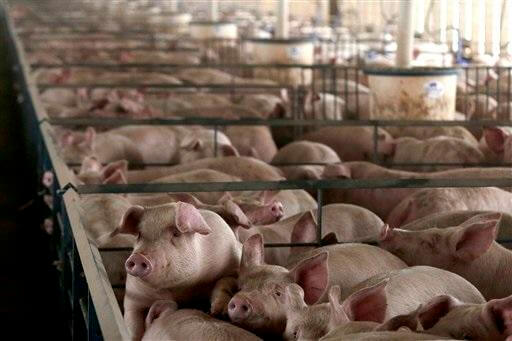
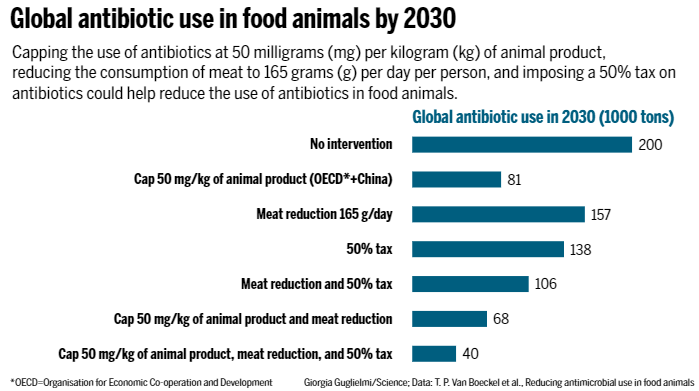
Almost 80% of all antibiotics in the United States aren’t taken by people. They’re given to cows, pigs, and chickens to make them grow more quickly or as a cheap alternative to keeping them healthy. These drugs could give rise to superbugs—bacteria that can’t be treated with modern medicine—and things are only getting worse. In 2013, more than 131,000 tons of antibiotics were used in food animals worldwide; by 2030, it will be more than 200,000 tons.
In a paper published today in Science, epidemiologist Thomas Van Boeckel of the Swiss Federal Institute of Technology in Zurich and colleagues outline the growing threat—and what can be done about it. Boeckel spoke to us about his team’s work.
…
Q: What are the threats posed by the overuse of antibiotics in food animals?
A: Most antibiotics are used either to prevent disease or to promote growth, and this means exposing healthy animals to antibiotics over long periods of time. If the bacteria that colonize these animals acquire [antibiotic] resistance genes, treatment becomes ineffective: That’s a threat for the livestock sector because you can’t keep your animals healthy.
…
Q: [What] do you think is the most effective way to reduce global antibiotic consumption?
A: There’s no silver bullet against it, and our solutions are not mutually exclusive. If the three measures were combined and fully implemented, we could reduce the antibiotic consumption up to 80%.
[Editor’s note: Graham Scoles is a plant science professor at the University of Saskatchewan.]
About 30 years ago, Canada and other western governments put in place regulations around the release of [GMO] crops, requiring that they undergo significant screening to show they are no risk in terms of food, feed or environmental impact.
…
It disturbs me to see less-developed countries using valuable resources to implement western-style regulatory systems for such crops when those resources could be better used elsewhere and such technologies probably hold greater potential than in the western world.
…
Let’s get rid of these needless and expensive regulatory systems, deploy the wasted resources to where they can do more good, and return to where we were 30-plus years ago, when plant breeders used any process (traditional breeding, mutation, genetic engineering, gene editing) to produce new material that had value to the farmer, the processor or the consumer, and let the marketplace decide the true value of the products of plant breeding.
The GLP aggregated and excerpted this article to reflect the diversity of news, opinion and analysis. Read full, original post: Time to bid adieu to GMO regulations
Intranet service? Check. Autonomous motorcycle? Check. Driverless car technology? Check. Obviously the next logical project for a successful Silicon Valley engineer is to set up an AI-worshipping religious organization.
Anthony Levandowski, who is at the center of a legal battle between Uber and Google’s Waymo, has established a nonprofit religious corporation called Way of the Future, according to state filings first uncovered by Wired’s Backchannel. Way of the Future’s startling mission: “To develop and promote the realization of a Godhead based on artificial intelligence and through understanding and worship of the Godhead contribute to the betterment of society.”
…
We don’t know whether Levandowski’s Godhead ties into any existing theologies or is a manmade alternative, but it’s clear that advancements in technologies including AI and bioengineering kick up the kinds of ethical and moral dilemmas that make humans seek the advice and comfort from a higher power: what will humans do once artificial intelligence outperforms us in most tasks? How will society be affected by the ability to create super-smart, athletic “designer babies” that only the rich can afford? Should a driverless car kill five pedestrians or swerve to the side to kill the owner?
Synlogic of Cambridge, Massachusetts, the company behind the unusual study, is testing what it calls “synthetic biotics,” or bacteria engineered to carry out specialized jobs in a person’s stomach.
Inside the pills are E. coli engineered to sop up ammonia inside the gut of people who can’t get rid of it fast enough. The study signals how genetic engineers are hoping to harness the microbiome, as the trillions of microscopic organisms that dwell within you are known.
The drug is designed to help people suffering from disorders of the “urea cycle.” That’s the metabolic flywheel inside your liver that gets rid of excess nitrogen. For people whose urea cycles are faulty, excess nitrogen turns into ammonia, just like what’s under your kitchen sink, and just as hazardous.
…
The drug represents a concrete application of synthetic biology, which is the idea of engineering an organism’s metabolism to produce fuel, drugs, perfumes, or other chemicals. […] The U.S. Food and Drug Administration, which considers such drugs to be “live biological products,” this summer fast-tracked Synlogic’s application to try it on people. Gutierrez-Ramos says Synlogic will know if it’s safe by December and hopes to start up studies in actual patients next year.
Will we someday colonize space? Will our children visit other planets? To achieve goals like these, we’ll need to crack one crucial challenge: how to feed ourselves for long periods away from Earth.
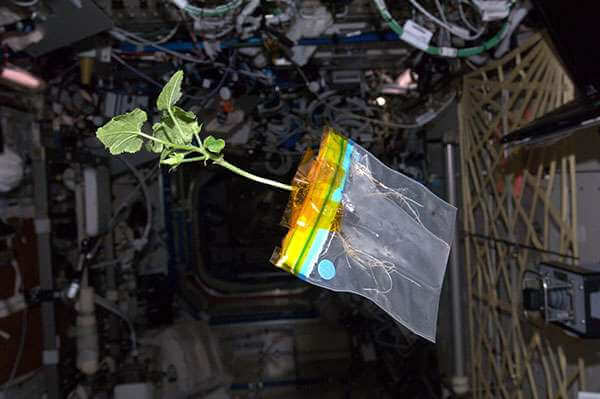
A trip to Mars would take months, and exploring the depths of the galaxy would take even longer. Provision of nutritious food for travelers is a significant obstacle. While stockpiling food is an option, storing enough to last many months strains weight and space limitations in spacecraft – and missions could easily outlast food shelf life. Growing food in space will be essential.
Essential – and not necessarily easy. The conditions in the vacuum of space are quite harsh compared to Earth. Seeds in space must be able to withstand large doses of ultraviolet and cosmic radiation, low pressure and microgravity.
Astrobiologists David Tepfer and Sydney Leach recently investigated how seeds would do back on Earth after spending extended periods on the International Space Station. The experiments they conducted on the EXPOSEmissions were much longer than many other ISS seed experiments, and placed the seeds on the outside of the station, in the dead of space, rather than inside. The goal was to understand not only the effects of long-term radiation exposure, but a bit about the molecular mechanisms of those effects.
Seeds have some defenses
Seeds possess a couple of remarkable traits that Tepfer and Leach hypothesized would give these “model space travelers” a fighting chance.
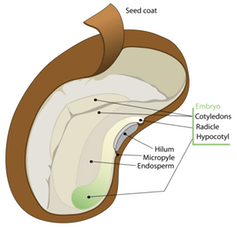
Seeds protect their important insides with a strong external seed coat.
First, they contain multiple copies of important genes – what scientists call redundancy. Genetic redundancy is common in flowering plants, especially food products such as seedless watermelon and strawberries. If one genetic copy is damaged, there’s still another available to do the job.
Secondly, seed coats contain chemicals called flavonoids that act as sunscreens, protecting the seed’s DNA from damage by ultraviolet (UV) light. On Earth, our planet’s atmosphere filters out some harmful UV light before it can reach us. But in space, there is no protective atmosphere.
Would these special features be enough to let the seeds survive or even thrive? To find out, Tepfer and Leach conducted a series of experiments – both outside the International Space Station and back on Earth – with tobacco, Arabidopsis (a flowering plant commonly used in research) and morning glory seeds.
Bombarded with energy
Their EXPOSE-E experiment flew to the International Space Station (ISS) in 2008 and lasted 558 days – so just under two years.
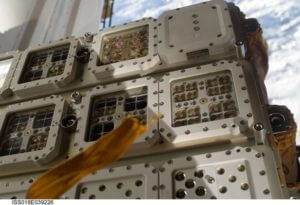
The EXPOSE-R experiment attached to the exterior of the International Space Station
They stored the seeds in a single layer on the outside of the ISS behind a special kind of glass that let in ultraviolet radiation only at wavelengths between 110 and 400 nanometers. DNA readily absorbs UV radiation in this wavelength range. A second, identical set of seeds was on the ISS, but shielded completely from UV radiation. The purpose of this experimental design was to observe the effects of UV radiation separately from other types of radiation like cosmic rays that are everywhere in space.
Tepfer and Leach chose tobacco and Arabidopsis seeds for EXPOSE-E because both have a redundant genome and therefore good odds for survival. They also included a genetically engineered variety of tobacco with an antibiotic resistance gene added; the plan was to later test this gene in bacteria and determine if there was any damage. In addition to normal Arapidopsis, they sent up two genetically modified strains of the plant that contained low and absent UV-protective chemicals in their seed coat. They also sent purified DNA and purified flavonoids. This gave the researchers a wide range of scenarios by which to understand the effects of space on the seeds.
A second ISS mission called EXPOSE-R included only the three types of Arabidopsis seeds. These received a little over double the dose of ultraviolet light because of the longer experiment time, 682 days. Lastly, researchers performed a ground experiment back in the lab that exposed Arabidopsis, tobacco and morning glory seeds to very high doses of UV light for only a month.
After all these various exposure conditions, it was time to see how well the seeds could grow.
The Expose-R experiment was equipped with three trays containing a variety of biological samples – including seeds
What would researchers reap?
When the seeds returned to Earth, the researchers measured their germination rates – that is, how quickly the root emerged from the seed coat.
The seeds that had been shielded in the lab did the best, with more than 90 percent of them germinating. Next came the seeds that had been exposed to UV radiation for one month in the laboratory, with better than 80 percent germinating.
For the space-traveling seeds, more than 60 percent of the shielded seeds germinated. A mere 3 percent of space UV-exposed seeds did.
The 11 Arabidopsis plants that did grow from both the wild type and genetically engineered seeds did not survive once planted in soil. Tobacco plants, however, showed reduced growth but that growth rate recovered in subsequent generations. Tobacco has a much heartier seed coat and a more redundant genome, which may explain its apparent survival advantage.
When the researchers plugged the antibiotic resistance gene into bacteria, they found it was still functional after its trip to space. That finding suggests it’s not genetic damage that’s making these seeds less viable. Tepfer and Leach attributed the reduced germination rate to damage to other molecules in the seed besides DNA – such as proteins. A redundant genome or built-in DNA repair mechanisms weren’t going to overcome that damage, further explaining why the Arabidopsis plants didn’t survive transplanting.
In the ground experiments, the researchers found that radiation damage is dose-dependent – the more radiation the seeds received, the worse their germination rate.
These discoveries could inform future directions for research in space agriculture. Scientists may consider genetically engineering seeds to have added protection for the cellular machinery critical for protein synthesis, such as ribosomes. Future research will also need to explore further how seeds stored in space germinate in microgravity, rather than on Earth.
As researchers add to the knowledge of how space affects plants and their seeds, we can continue to make the strides necessary toward producing food in space. It will be a crucial step toward sustainable colonies that can survive beyond the comfortable confines of Earth’s biosphere.
Gina Riggio is a Ph.D student at t the University of Arkansas in Cell and Molecular Biology, specializing in sustainability and the microbiology of aquaponics. Follow her on twitter @ginamarieriggio
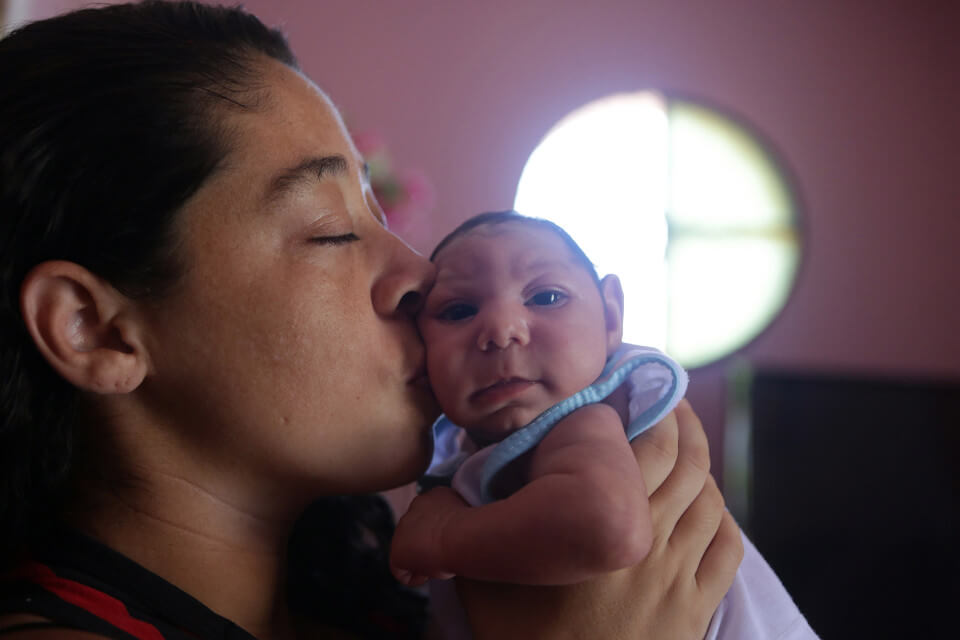
It remains one of the great mysteries of the Zika epidemic: Why did a virus that existed for decades elsewhere in the world suddenly seem to become more destructive when it landed in Latin America? […] An intriguing study in mice, which has prompted some skepticism among experts, suggests that a single genetic mutation helped transform the Zika virus into a devastating force in Latin America.
…
The study, by scientists in China, found that strains of Zika with the S139N mutation caused substantially more death and microcephaly in mice than other strains. And in a laboratory dish, the S139N strain killed many more human cells important to early brain development than an earlier strain without the mutation.
…
“They showed this mutation is both sufficient and necessary to make the virus worse,” said Hongjun Song, a neuroscientist at the University of Pennsylvania. […] The researchers do not claim the S139N mutation is solely responsible for the birth defects among children born to women infected by mosquitoes during pregnancy. Other causes could involve differences in the population in Latin America, including the possibilities that their genetic makeup or exposure to previous mosquito-borne viruses made them more susceptible to harm from Zika.
To anyone with a basic understanding of evolution, it should seem puzzling that deadly genetic diseases, passed on from one generation to the next, haven’t eradicated themselves by now.
…
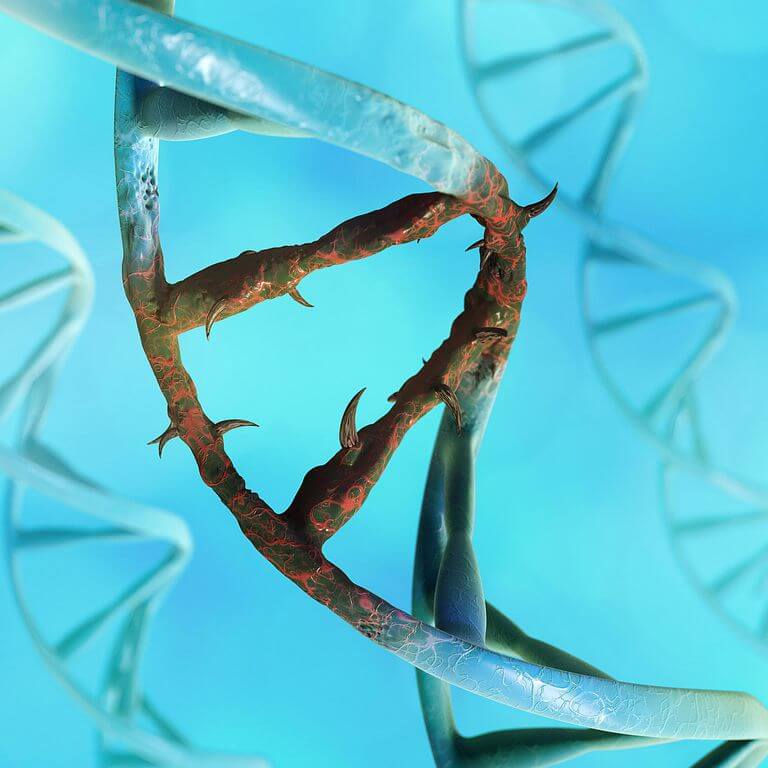
In a PLOS Genetics paper, postdoctoral genetics researcher Carlos Eduardo G. Amorim and his colleagues explained why gene mutation rates and disease occurrence don’t balance themselves out — even though they theoretically should. Their explanation is based on a theory explaining the equilibrium between deadly disease and natural “purifying” selection for healthy individuals that’s long been floated in the evolutionary biology community.
…
The mutation-selection balance theory states, simply, that the number of deleterious genes in a population should balance out the number of genes eliminated by natural selection. To test it, the team compared a real-world data set to theoretical models of the mutation-selection balance, looking specifically at 417 mutations on 32 genes that cause lethal recessive genetic disorders.
…
“Now we know that these assumptions are likely true,” says Amorim, “and thus we can now make better guesses of what frequencies we’d expect to see disease mutations in human populations, and conversely how to use information on allele frequencies (that are now available in many public databases) to learn about the health effects of a given mutation or to search for new disease mutations.”
[Editor’s note: John Rodakis is the founder and CEO of N of One: Autism Research Foundation.]
Robert Naviaux, a professor at the University of California, San Diego …] announced results from a clinical trial involving 10 boys with autism. Half were given the drug suramin and showed significantly improved language and social behavior.
…
In the U.S. just three organizations control 99% of all funding for biomedical research on autism: the federal government (primarily the National Institutes of Health); Autism Speaks (which does commendable work raising awareness); and a large foundation funded by a family. Everyone else collectively makes up less than 1% of funding.
These three organizations almost exclusively support research that aligns with the conventional view of autism as primarily a genetic disorder of brain wiring. The problem is that this “genetics-first” paradigm does not fit the emerging research, including Dr. Naviaux’s, and has failed to produce answers. Research that does not fit neatly within this view—or that dares to contradict it—has little chance of being funded.
…
What we need is for the “market” that allocates capital to medical research to more closely resemble the risk-taking financial and venture-capital markets. Researchers should be rewarded for stretching beyond conventional views in search of breakthroughs.
The origin of life is a profound mystery. Once life arose, natural selection and evolution took over, but the question of how a mixture of various gases created life-giving molecules that arranged into structures capable of reproducing themselves remains unanswered.
…
It is generally agreed that organic molecules were created when gases in the early Earth’s atmosphere reacted. The trigger for these reactions is often attributed to lightning or meteorite impacts, but now a team of Israeli researchers has presented evidence that another widespread phenomenon could be responsible: Collapsing bubbles.
Bubbles are everywhere. Ocean waves, hydrothermal vents, rivers, and waterfalls create them. At the microscopic level, conditions inside collapsing bubbles can exhibit extreme temperatures and pressures of the sort necessary to trigger chemical reactions. Using this knowledge of what is called sonochemical synthesis, the authors created a computer model to determine what types of organic molecules could be synthesized inside collapsing bubbles.
…
Obviously, fancy models are just that: Fancy models. Without more solid data from chemistry experiments, their results are still highly theoretical. Still, the authors have provided insights into a mechanism that was proposed over 60 years ago but never seriously investigated. With time, perhaps the mystery of abiogenesis eventually will be solved.
“For India to increase production, it should allow the use of innovative technologies, including GMOs,” said Scott Sindelar [the agriculture representative of the American Embassy in Delhi] at a conference in the capital.
…
Despite its lofty position in the global rankings, India produces barely a tenth of America’s output of 120m tonnes [of soybean crop], despite a considerably higher population that mainly purchases vegetarian ingredients, and a massive feed market.
As a result the country must find ways to boost production and supply, Sindelar added.
Soybean is among the few plants to provide high quality protein and nutrients with low levels of saturated fat, according to Ratan Sharma, head of the soy food programme of the US Soybean Export Council.
As such, the government should include soy as the main nutritional ingredient for a range of nutrition and child welfare programmes, Sharma urged.
Yet India is missing a trick due to its focus on using soy as feed, resulting in a lack of specialty beans grown there for human consumption. This has in turn been limiting the growth of soy food sector with limited value addition possibilities.
The GLP aggregated and excerpted this article to reflect the diversity of news, opinion and analysis. Read full, original post: US calls on India to open up to GM soybean