Genetic Literacy Project’s Top 6 Stories for the Week – Oct. 9, 2017

GLP Top Thumbnail Oct


  1. Neonicotinoid seed treatments: Effective crop protectants—or unnecessary, with potential collateral damage to bees?Paul McDivitt
  2. Tick tock, circadian clock research wins Nobel Prize—and why it may help us sleep and travel to MarsBen Locwin
  3. Do GMOs, pesticides cause cancer? The Amish would say ‘no’Andrew Porterfield
  4. Treating aggressive brain cancer with poliovirusRicki Lewis
  5. Creating ‘super wheat’: Genetic modification supercharges photosynthesis | Jonathan Dalzell
  6. Male fertility likely declining, but we haven’t figured out why | Geoffrey Kabat

To stay up to date on all the news in human and agricultural genetics, subscribe to our daily and weekly email newsletters in the top right corner of this page, and follow us on Facebook and Twitter.

Matrix phobia? Scientists put fears to rest—we are not living in computer simulation

Screen Shot at AM

Just in case it’s been weighing on your mind, you can relax now. A team of theoretical physicists from Oxford University in the UK has shown that life and reality cannot be merely simulations generated by a massive extraterrestrial computer.

The finding – an unexpectedly definite one – arose from the discovery of a novel link between gravitational anomalies and computational complexity.

In a paper published in the journal Science Advances, Zohar Ringel and Dmitry Kovrizhi show that constructing a computer simulation of a particular quantum phenomenon that occurs in metals is impossible – not just practically, but in principle.

If the complexity grew linearly with the number of particles being simulated, then doubling the number of partices would mean doubling the computing power required. If, however, the complexity grows on an exponential scale – where the amount of computing power has to double every time a single particle is added – then the task quickly becomes impossible.

The researchers calculated that just storing information about a couple of hundred electrons would require a computer memory that would physically require more atoms than exist in the universe.

The GLP aggregated and excerpted this blog/article to reflect the diversity of news, opinion, and analysis. Read full, original post: Physicists find we’re not living in a computer simulation

Do GMOs, pesticides cause cancer? The Amish would say ‘no’

am

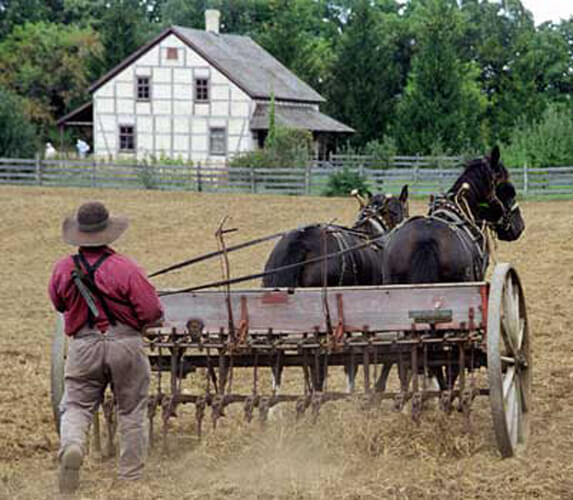
The Amish have been an insular people in the United States for nearly 200 years, ever since they arrived from Switzerland and other parts of Europe to avoid religious persecution. Many non-Amish assume that since they avoid such modern technologies as telephones, automobile, and even zippers, the Amish must also eschew genetically modified crops and pesticides.

These assumptions came out in a blog that appeared in the anti-GMO website Natural News and other sources, claiming that a study showing low cancer rates among Amish in Ohio meant that the people’s simple living practices, including using organic (and non-GMO) farming, were making them healthier.

Natural News extrapolated the cancer study:

Another important factor not specifically examined in the study is the fact that the Amish grow and raise all their own food. They employ time-tested, organic methods that provide them with healthy fruits, vegetables, milk, meat, and other untainted foods that most Americans never get. Rich in living enzymes, vitamins, and nutrients Amish food is grown and raised the way it should be, resulting in improved health. While some may ridicule their secluded lifestyle, the Amish commitment to simple, productive lives and clean, local food is benefiting their health in ways that the rest of America can only dream about. When compared to a life of sitting in office buildings all day, eating processed and genetically-modified junk food, and popping prescription medications, it becomes clear which lifestyle is truly deserving of contempt.

Contempt aside, Natural News did get one thing right: the Amish indeed do have lower cancer rates than do other Americans. And they mostly followed the researchers’ conclusions on what may be leading to these rates: more exercise, less reliance on labor-saving devices, avoidance of tobacco.

But here’s where Natural News is wrong: the Amish use pesticides, and they use genetically modified crops in their fields. Enthusiastically.

This BBC video shows an interview with an Amish farmer, who, with his back against the camera due to Amish rules about being photographed, discusses the advantages of Bt corn in his fields. Another Amish farmer from Pennsylvania talked to Wired about his use of genetically modified tobacco, engineered to prevent the biosynthesis of nicotine. “Amish law doesn’t say anything about growing genetically modified tobacco,” farmer Dan Diener said.

While many Amish farmers are starting to adopt organic practices, due to the higher price premiums and increased consumer demands, there have been obstacles. Some of these obstacles are true for all organic farmers; the higher overall cost of inputs, the three-year period before they can sell certified organic food. Another challenge is ironic; Amish farmers see organic as a new technology, and some are reluctant to adapt to it.

amish

About that cancer study

Back in 2010, researchers from Ohio State University conducted the first attempt at cancer epidemiology among the Amish. They found that 191 cancer cases had been recorded among Ohio Amish between 1996 and 2003.

One hundred and ninety one cases is not “cancer free.” But cancer rates among the Amish were much lower than among non-Amish. Adjusted for age, overall cancer rates among the Amish were 60 percent of rates among non-Amish Ohioans. Tobacco related cancers were just 37 percent of rates among non-Amish, and non-tobacco-related cancers came in at 72 percent compared to non-Amish.

The reasons for this? Avoidance of tobacco might help contribute. Also, few Amish go through cancer screenings, deeming them unnecessary, so some figures might be artificially low. But a bigger reason might be endogamy.

Being a cultural isolate, the Amish intermarry. And like many groups that intermarry, they suffer from rare genetic diseases more than other, “out-married” populations. The Amish have very high rates of certain diseases almost unheard of in other populations, such as SCID (severe combined immunodeficiency disorder), at rates of one in four, compared to one in 40,000 in the general population, and “Maple Syrup Urine” disorder, a recessive and potentially fatal metabolic disease. Since they arrived from Switzerland in the early to mid-1800s, they have been an isolated population, and carry mutations for these diseases due to a “founder effect,” which happens when a group is created by very few individuals. Intermarriage then furthers a number of deleterious genes through generations. But not all genes and traits furthered through endogamy are bad.

Among these groups, such as Ashkenazi Jews and certain Arab populations, some rare disorders and mutations may protect against certain cancers. Certain mutations may run lower or higher in certain populations, leading ultimately to lower (or, as in the case of Ashkenazi Jews and breast cancer, higher) rates of cancer. Sometimes these mutations may provide some advantage of survival, either by protecting against rare diseases, or perhaps by proffering more indirect benefits, such as breast cancer mutations among Ashkenazi Jews that appear related to higher production of dendrites in the brain, and overall higher IQs.

But whatever the cause, it’s not “no cancer,” it’s “less cancer.” And the reasons may have more to do with not smoking, and a genetic compromise that reduced cancer but increased the risk of rare disorders.

Andrew Porterfield is a writer and editor, and has worked with numerous academic institutions, companies and non-profits in the life sciences. BIO. Follow him on Twitter @AMPorterfield

New species may be created by cellular ‘mitonuclear conflict’

mitochondria

In the complex cells of humans and other organisms, two different genomes collaborate to sustain life. The larger genome, with DNA encoding thousands of genes, resides in the cell nucleus, while copies of the much smaller one sit in all the energy-producing organelles called mitochondria. Normally, they work in quiet alliance.

Over the past five years, however, scientists have begun focusing on the consequences of mismatches between the two. Emerging evidence shows that this “mitonuclear conflict” can drive a wedge between organisms, possibly turning one species into two.

More and more studies are pointing to that co-adaptation as an essential but mostly overlooked factor in the health and survival of organisms. “And that has big implications for our concept of species and natural selection,” said Geoffrey Hill, an ornithologist and evolutionary biologist at Auburn University.

[Evolutionary biologist Jon] Burton doesn’t argue with the idea that mitonuclear conflict and co-adaptation can be powerful evolutionary forces, even ones that assist with the formation of new species. But he cautions that not enough evidence exists to support the idea that mitonuclear conflict alone can create new species. Nor have researchers studied enough systems and performed enough sequencing and other experiments to say with any confidence how common mitonuclear conflict really is.

The GLP aggregated and excerpted this blog/article to reflect the diversity of news, opinion, and analysis. Read full, original post: Genetic Struggles Within Cells May Create New Species

What do we know about wine as a magic elixir?

ART Wine Health x

Should you imbibe or abstain? Wine and other forms of alcohol are good. Or not?

Diametrically-opposed viewpoints about its potential benefits are common in the popular press. Not long ago that it was believed that the only good (beneficial) alcohol was that from wine because of the various flavonoids. Then it was found in population-level data analysis that consumption of any type of alcohol at a low level was associated with improved health and increased HDL cholesterol. It became less-so about the magic in the wine and more about the solvent alcohol.

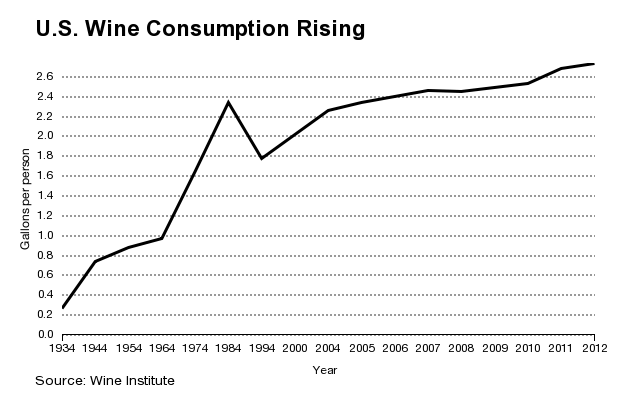
There is no question that the consumption of wine has soared in the United States in recent decades, although it’s not at all clear (or persuasive) that its alleged health benefits have played a role in this trend.U.S.-wine

The Dietary Guidelines for Americans, established a decade ago, state, “The lowest all-cause mortality occurs at an intake of one to two drinks per day. The lowest coronary heart disease mortality also occurs at an intake of one to two drinks per day.”

But there are twists to this finding. Consumption is considered ‘excessive’ if it’s over 7 alcoholic drinks per week for women or over 14 per week for men. And as the Genetic Literacy Project has reported in the past, while an alcoholic beverage a day, especially wine, is widely believed to help keep heart disease risk low, research from the University of Gothenburg shows that only about 15 percent of the human population—those with a specific the form of the cholesteryl ester transfer protein (CETP) gene—actually gain this benefit from moderate alcohol consumption.

Although there are hundreds of organic compounds in wine which have been associated with cellular protective effects, many conversations about wine (at least more recently) boil down to a compound known as resveratrol. Resveratrol is an organic compound (a plant phenol actually) found in the skins of grapes, and therefore in red wine (but to a much lesser degree in white wines because of the lack of use of grape skins), and also in dark chocolate, peanuts, and blueberries. It has had a fairly reasonable association with reduced levels of heart disease, which is how resveratrol first came into the public vocabulary.

How resveratrol actually works is still not fully understood, but it has been suggested to work by influencing the production of a protein in the body called sirtuin-1, coded by the SIRT1 gene. When news of this was first published, it was considered somewhat of a magic bullet for a host of diseases and disorders. As is often the case, the truth settled to a somewhat less-interesting level.

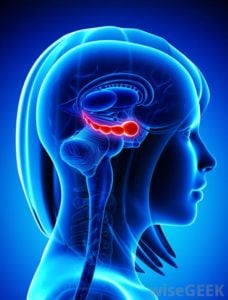
New research published in Scientific Reports suggests that resveratrol also seems to have a positive effect on learning and memory. This study was done in rats, and showed that neurogenesis (the growth of new brain cells) and spatial learning and memory improved in those receiving doses of hippocampus-highlightedresveratrol compared with the untreated (control) rats. There were also changes in the microvasculature (tiny blood vessels) of the hippocampus, an area of the brain involved in learning, memory, and mood.

But the potential benefits of resveratrol is hardly a settled issue.

An 11-year study of men and women 65 years or older in Italy’s Chianti region published in JAMA Internal Medicine found that “dietary resveratrol from Western diets in community-dwelling older adults does not have a substantial influence on inflammation, cardiovascular disease, cancer, or longevity.” In other words, resveratrol from foods like red wine, chocolate, and grapes were not associated with improved health, in this particular study. The Atlantic reported that in a small study of men, resveratrol seemed to “undermine the cardiovascular benefits of exercise.”

One of the discussions we’ve had within the American Association of Pharmaceutical Scientists (AAPS) Nutraceuticals and Natural Products focus group is how to stabilize the bioavailability of resveratrol molecules, which are notoriously very volatile once consumed. To do so would allow it to work its beneficial effects in the body for a longer period of time before it was metabolized, and to achieve reliable results without having to simply keep increasing the dose to achieve a biological effect (which, in the case of wine, doesn’t always seem like such a bad thing).

This may even tie into the phenolic compounds within apple juice, which have been reported as perhaps helping to stave-off Alzheimer’s disease.

Also, see our report on how alcohol’s benefits are tempered by genetics.

So whether it’s dark-skinned grapes, berries, or red wine (and don’t appear too choosy, because you likely can’t tell the ‘good’ from the ‘bad’ anyway), you may be doing your spatial learning and memory a favor if you have some (in moderation).

Ben Locwin is a behavioral neuroscientist and astrophysicist with a masters in business, and a researcher on the genetics of human disease. BIO. Follow him on Twitter @BenLocwin.

Biologics joining fight against asthma

asthma e

Should you be unfortunate enough to suffer from asthma, things are looking up. There are new biological therapies out there that “attack” asthma in novel ways. They are effective and are badly needed. The impact of the disease on people afflicted with it is probably more severe than you think. It’s not as simple as carrying an inhaler around.

Xolair was the first biological drug approved for moderate-to-severe asthma. It has a unique mechanism of action: binding to IgE, the “allergic antibodies” in our blood. People who have high IgE levels are allergic.

Cinqair and Nucala are monoclonal antibodies which operate by a mechanism which is different from that of Xolair. They are considered to be more “heavy hitters” than Xolair, and were designed to treat a different form of asthma called eosinophilic asthma – a severe form of the disease.

Dupixent is not an approved asthma drug; it got the nod from the FDA earlier in 2017 for a different allergic response – eczema…So, why is it here? Because Dupixent also works against asthma, and, apparently quite well.

The GLP aggregated and excerpted this blog/article to reflect the diversity of news, opinion, and analysis. Read full, original post: The Arsenal Against Asthma Grows: Biologics

Inside the minds of people with obsessive-compulsive disorders

ocd

About 10 years ago David Adam scratched his finger on a barbed wire fence…As a science journalist and author of The Man Who Couldn’t Stop: OCD and the True Story of a Life Lost in Thought, a book about his own struggles with obsessive-compulsive disorder, Adam had a good idea of what was in store. His OCD involved an obsessive fear of contracting HIV and produced a set of compulsive behaviors revolving around blood.

Far from merely excessive tidiness, the mental disorder can have a devastating impact on a person’s life.

A new study published September 28 in Neuron uses mathematical modeling of decision-making during a simple game to provide insight into what might be going on…Normally, a person’s confidence about their knowledge of the surrounding environment guides their actions. “If I think it’s going to rain, I’m going to take an umbrella,” says lead author Matilde Vaghi. The study shows this link between belief and action is broken to some extent in people with OCD. As a consequence, what they do conflicts with what they know.

The research of Vaghi and colleagues demonstrates the type of research being performed by the relatively new field of computational psychiatry. The work could ultimately lead to tools for early detection of people at risk.

The GLP aggregated and excerpted this blog/article to reflect the diversity of news, opinion, and analysis. Read full, original post: An Inner Look into the Minds and Brains of People with OCD


Crops and chemicals: What does the future hold for GMOs and pesticides?

this is the most surprising thing monsanto is working on and its already changing the way you eat

[Editor’s note: The following is a Q&A with Paul Vincelli, a plant pathology professor at the University of Kentucky.]

Farmers are using more chemicals on crops. True or False?

Total pesticide use by farmers in the USA has gone up somewhat in certain crops, and down in others.  Overall, however, pesticide use has been relatively stable over a period of several decades. So, I think we can say this statement is false.

We can definitely say that insecticide use has gone down. Part of the reason is crops that have been genetically modified to resist insects.

Should we be concerned about pesticide residues in our food?

Our regulatory system does an excellent job of protecting our health. I’m not going to tell the moms and dads of America what they should or should not be afraid of, but pesticide residue in food is way down on my list of concerns. Exposure to pesticides in the diet is commonly thousands of times below regulatory permissible amounts.

What does the future hold for pesticide use?

I’ve worked with pesticides for 34 years. I’m telling you we can do a lot to reduce the use of pesticides with genetic engineering. Although the acronym GMO sometimes frightens consumers, in fact, genetic engineering holds tremendous promise for reducing pesticide use.

The GLP aggregated and excerpted this article to reflect the diversity of news, opinion and analysis. Read full, original post: Are Farmers Using More Pesticides?

State bans of dicamba herbicide could increase soybean, cotton prices

DicambaSoybeans e

Efforts to ban the herbicide [dicamba] could benefit the prices of agricultural products such as soybeans and cotton. At the same time, equities of chemical companies could face downward pressure. But no matter the outcome, the more likely winners will be non-genetically modified organics and owners of non-GMO farmland.

[Farmers] across the grain belt’s 25 million acres of planted soybean and cotton fields aren’t united. Although many  are more productive thanks to dicamba, more cash-strapped farmers who didn’t purchase the premium seeds along are filing a joint suit with non-GMO farmers, claiming their crops have been affected by neighboring farms using the chemical. Still other farmers, against their will, feel compelled to purchase the modified seeds to protect from dicamba creep. In addition, environmentalists argue GMO seeds will encourage greater use of pesticides that can increase reproductive risks and birth defects.

A ban would likely give further support primarily to soybeans, in addition to cotton and other affected crops, as farmers will have to find alternative means of weed elimination. Finally, non-GMO farming and demand for its produce will continue to increase despite their premium price compared with traditional crops.

The GLP aggregated and excerpted this article to reflect the diversity of news, opinion and analysis. Read full, original post: Ban of Herbicide Could Benefit Agriculture Prices

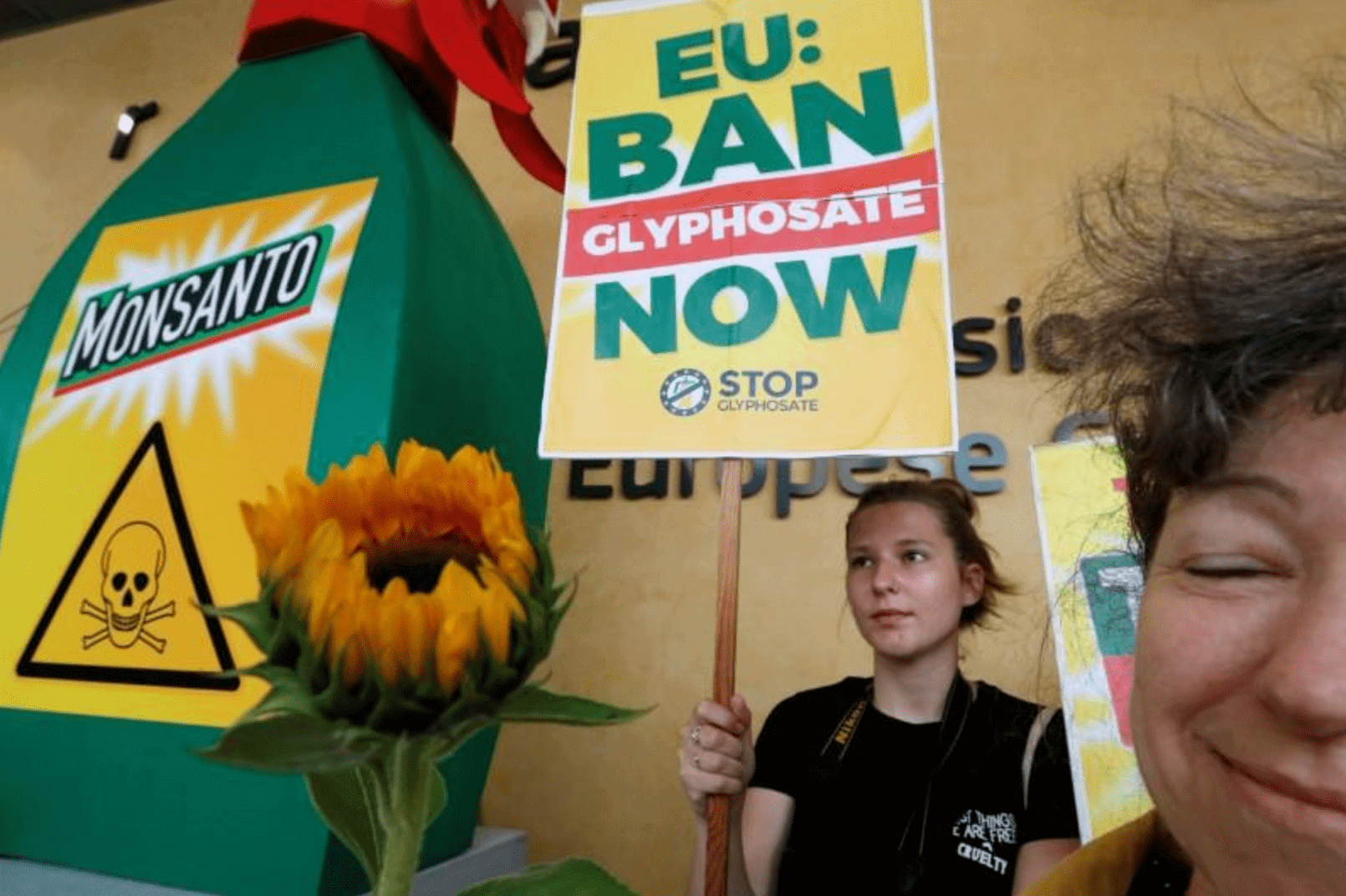
EU delays vote on whether to extend license for glyphosate herbicide

Screen Shot at AM

Health experts from European Union countries [were] expected to discuss whether or not to extend the license for herbicide glyphosate at a meeting starting on Thursday [October 5], but will only vote on the issue later this year.

Europe has been debating for two years whether to allow the weed-killer, used in Monsanto’s Roundup, with no clear majority of countries for or against a license extension and concerns that it is carcinogenic.

The EU granted an 18-month extension in July 2016 pending further scientific study after failing to agree on a proposed 15-year license renewal.

The European Chemical Agency concluded in March that glyphosate, one of the world’s most heavily used weed killers, should not be classified as causing cancer.

The European Commission is now proposing a 10-year extension, but said this will only pass if supported by a clear majority of member states. The standing committee on plant animal food and feed (PAFF), meeting on Thursday and Friday, had been expected to vote on the license for glyphosate but that vote will not now take place.

The GLP aggregated and excerpted this article to reflect the diversity of news, opinion and analysis. Read full, original post: EU set to delay vote on weed-killer glyphosate

African scientists call for implementation of biotech crops to further food security, development

SA corn

Scientists are calling for technological transformation in how Africans undertake agricultural production to help improve food security on the continent.

They warn failure to do this will further endanger the continent’s ability to feed itself and stall development. The scientists blame the lack of speedy progress in the Agric sector over the years on the unwillingness of stakeholders to embrace fresh innovations, which they say must change.  

….

Rose Maxwell Gidado who is Coordinator of the Open Forum on Agricultural Biotechnology in Nigeria, [expressed] worry about the negative impact global warming is having on agricultural production on the continent.

“Climate change exacerbates pests and disease outbreak… It is our responsibility to deliver Africa out of starvation, hunger and poverty. Encourage, invest in and adopt science,” she told the conference.”

Denis Kyetere who is Executive Director of AATF noted: “Advances in agricultural technologies and biosciences, in general, are immense, thanks to the convergence of crop science, biology and chemistry engineering and digital technology. To fully take advantage of the new exciting developments in agriculture, changes need to happen on the policy front.”…Sarah Davidson Evanega, Director of the Alliance for Science told the conference: “We have to ensure that this technology does not bypass the poor. It’s a story of social justice.”

The GLP aggregated and excerpted this article to reflect the diversity of news, opinion and analysis. Read full, original post: Africa’s agriculture needs technological transformation – Scientists

Uganda becomes newest country to approve growing of GMO, gene-edited crops

farmers picking cotton in Gulu northern Uganda

Uganda’s Parliament voted the long-awaited National Biosafety Act of 2017 into law … ending years of governmental debate over whether that nation’s farmers will be able to access GMOs and other tools of genetic engineering.

The National Biosafety Act 2017 will now be forwarded to President Yoweri Museveni. The President, who has on several occasions endorsed biotechnology and expressed frustration over the delay of the bill’s passage, is expected to sign the law, which will become operational immediately.

Following the vote, the mood among science allies in Uganda could be described as “celebratory.” Patricia Nanteza who works with the national banana program at Kawanda, was ecstatic as she reflected on the way forward.

“It’s exciting, though it feels almost unreal after all the setbacks,” Nanteza said. “But finally, banana farmers will be able to access varieties of banana resistant to bacterial wilt, and the people, especially children, can finally eat bananas and other foods rich in Vitamin A.”

Those for its passage cited the need to adopt science and technology, as no country has prospered without it. They also said the bill allows the country to regulate GMOs so that Ugandans can be assured of their safety, and that rejecting the bill in totality would be a disservice to country.

The GLP aggregated and excerpted this article to reflect the diversity of news, opinion and analysis. Read full, original post: Uganda Parliament adopts GMO law in a monumental victory for science allies

Controversial CRISPR gene-editing paper draws ‘editor’s note’

ab c cee aa d ab df ecb e

[Editor’s note: The paper in question detailed the use of CRISPR to correct, in human embryos, a gene that causes a potentially fatal heart condition.]

Nature has added an “editor’s note” to a high-profile August paper alerting readers to the fact that the article has been subject to criticism. Journals often flag papers that are being debated — what’s unusual here is that the journal doesn’t label the notice as an official “Expression of Concern,” which are indexed by PubMed. Yet the Nature notice reads just like an expression of concern.

Here’s the text of the new notice, which was added October 2 (and spotted by Paul Knoepfler):

Editorial Note: Readers are alerted that some of the conclusions of this paper are subject to critiques that are being considered by editors. Some of these critiques have been publicly deposited in preprint form. A further editorial response will follow the resolution of these issues.

[Shoukhrat Mitalipov, at the Oregon Health and Science University in Portland] is credited with being the first U.S.-based researcher to successfully clone human embryonic stem cells. In 2013, a paper co-authored by Mitalipov in Cell was subjected to extensive corrections.

This isn’t the first time we’ve scratched our heads over notices the use (or lack thereof) of Expressions of Concern. Recently, a researcher added the phrase “Expression of Concern” to his letter to the editor about a particular paper, leading it to become indexed as an official Expression of Concern on PubMed.

The GLP aggregated and excerpted this blog/article to reflect the diversity of news, opinion, and analysis. Read full, original post: Nature adds alert to heavily debated paper about gene editing

Searching for depression’s elusive genetic links

depression

As science continues to decode the human genome, our knowledge of the genetic components of disease is advancing at exponential rates…There is, as far as anyone knows, no “depression gene.” And no one therefore inherits depression from his or her parents.

But there is a clear genetic component of depression. Studies of twins, for example, have found that if one twin has depression, the other is much more likely to have it as well compared to non-twin siblings. “We know there is a heritable quality of both unipolar and bipolar depression,” says Dr. John H. Krystal, chair of the department of psychiatry at Yale University School of Medicine and chief of psychiatry at Yale-New Haven Hospital. It is not known exactly how strong that heritable factor is, but it is estimated at somewhere between one-third and one-half of the reason someone may develop the disease.

“The genetics of depression are a very difficult area to study,” he says. Blame this, at least in part, on statistics. “With other disorders, like schizophrenia or autism, you know there is a strong genetic signal, and you expect to see it, but even then you need enormously large samples to identify the genes [for those diseases],” Krystal says.

The GLP aggregated and excerpted this blog/article to reflect the diversity of news, opinion, and analysis. Read full, original post: What Do We Know About Genetic Links to Depression? 

Trace amounts of neonicotinoid pesticides found in 75% of honey samples worldwide—’far below’ levels dangerous to humans

bees

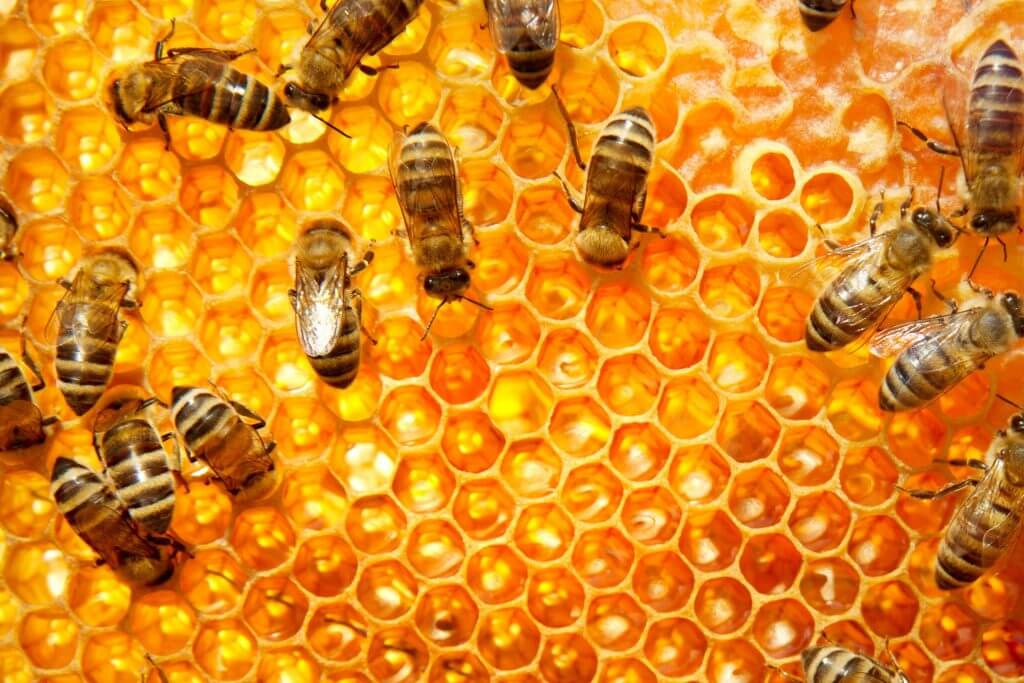
A new study has found traces of neonicotinoid chemicals in 75% of honey samples from across the world.

The scientists say that the levels of the widely used pesticide are far below the maximum permitted levels in food for humans.

In one third of the honey, the amount of the chemical found was enough to be detrimental to bees.

Industry sources, though, dismissed the research saying the study was too small to draw concrete conclusions.

Neonicotinoids are considered to be the world’s most widely used class of insecticides.

These systemic chemicals can be added as a seed coating to many crops, reducing the need for spraying. They have generally been seen as being more beneficial for the environment than the older products that they’ve replaced.

However the impact of neonics on pollinators such as bees has long been a troubling subject for scientists around the world. Successive studies have shown a connection between the use of the products and a decline in both the numbers and health of bees.

[Editor’s note: Read the full study (behind paywall)]

The GLP aggregated and excerpted this article to reflect the diversity of news, opinion and analysis. Read full, original post: Pesticides linked to bee deaths found in most honey samples

Brazil regulator says Bayer’s takeover of Monsanto could be ‘detrimental to competition’

bayer

A unit of Brazil’s competition regulator Cade said the $66 billion takeover of Monsanto Co. by German life sciences firm Bayer AG could be detrimental to competition, a document released on the agency’s website shows.

The Bayer-Monsanto transaction, announced in September 2016, would create the world’s largest integrated pesticides and seeds company.

The Cade unit said that anticipated merger-related efficiencies were insufficient to mitigate its competition concerns, according to the document dated Oct. 3.

It recommended what it termed as “structural solutions” as a condition for final approval the deal, which will be in the hands of Cade’s seven-member tribunal.

The Cade unit said it had not engaged in an in-depth discussion with Bayer and Monsanto related to its suggested “remedies.”

In an emailed statement to Reuters, Bayer said the unit’s opinion is non-binding and does not mean the transaction will be blocked.

The GLP aggregated and excerpted this article to reflect the diversity of news, opinion and analysis. Read full, original post: Brazil agency urges conditions for approving Bayer-Monsanto tie-up

Viewpoint: Postmodern movement targets science ‘because truth isn’t always convenient’

evergreen

[Editor’s note: Heather Heying is an evolutionary biologist at Evergreen State College. She and her husband, Bret Weinstein, were targeted by protestors at ESU after taking a stand against an equity event on campus.]

Who would have guessed that when America cleaved, the left would get the National Football League and the right would get uncontested custody of science?

The revolution on college campuses, which seeks to eradicate individuals and ideas that are considered unsavory, constitutes a hostile takeover by fringe elements on the extreme left. Last spring at the Evergreen State College, where I was a professor for 15 years, the revolution was televised—proudly and intentionally—by the radicals….

Extremists on the left are going after science. Why? Because science seeks truth, and truth isn’t always convenient.

In a meeting with administrators at Evergreen last May, protesters called, on camera, for college president George Bridges to target STEM faculty in particular for “antibias” training, on the theory that scientists are particularly prone to racism. That’s obvious to them because scientists persist in using terms like “genetic” and “phenotype” when discussing humans. Mr. Bridges offers: “[What] we are working towards is, bring ’em in, train ’em, and if they don’t get it, sanction them.”

Science creates space for the free exchange of ideas, for discovery, for progress. What has postmodernism done for you lately?

The GLP aggregated and excerpted this blog/article to reflect the diversity of news, opinion, and analysis. Read full, original post: First, They Came for the Biologists (behind paywall)


Once and for all, Ashkenazi Jews have limited Euro-Asian Khazarian heritage

khaz

Since the late 19th century, the so-called “Khazarian theory” has promoted the idea that a bulk of Ashkenazic Jews living in Eastern Europe descended from medieval Khazars, a semi-nomadic Turkic people who founded a powerful polyethnic state in the Caucasus and north to the Caspian, Azov and Black seas.

[T]he theory is absolutely without evidence. As any historian will tell you, generations of Jews, like generations of any people, leave historical traces behind them. … Predictably, archaeologic evidence about the widespread existence of Jews in Khazaria is almost nonexistent.

[Another] discipline can help us put to rest the Khazarian hypothesis: onomastics, or the study of proper names. Looking at names, both first names and surnames, gives us a sense of how a community saw itself, its language and its origins. And in the Jewish communities of Eastern Europe over the past six centuries, not a single Turkic name can be found in documents listing Jewish names.

Finally, we come to genetics. One does not have to be a professional geneticist to see the inadequacy of the methodologies used by Eran Elhaik, the champion of the “Khazarian theory” in that domain. In his paper of 2013, he pretends to show that modern Ashkenazic Jews are genetically closer to Khazars than to biblical Hebrews.

The GLP aggregated and excerpted this blog/article to reflect the diversity of news, opinion, and analysis. Read full, original post: Ashkenazi Jews Are Not Khazars. Here’s The Proof


Is ‘dark DNA’ lurking as ‘missing’ mystery force in animal evolution?

dark

DNA sequencing technology is helping scientists unravel questions that humans have been asking about animals for centuries. By mapping out animal genomes, we now have a better idea of how the giraffe got its huge neck and why snakes are so long. Genome sequencing allows us to compare and contrast the DNA of different animals and work out how they evolved in their own unique ways.

But in some cases we’re faced with a mystery. Some animal genomes seem to be missing certain genes, ones that appear in other similar species and must be present to keep the animals alive. These apparently missing genes have been dubbed “dark DNA”. And its existence could change the way we think about evolution.

My colleagues and I first encountered this phenomenon when sequencing the genome of the sand rat (Psammomys obesus), a species of gerbil that lives in deserts. In particular we wanted to study the gerbil’s genes related to the production of insulin, to understand why this animal is particularly susceptible to type 2 diabetes.

The conversation xBut when we looked for a gene called Pdx1 that controls the secretion of insulin, we found it was missing, as were 87 other genes surrounding it. Some of these missing genes, including Pdx1, are essential and without them an animal cannot survive. So where are they?

The first clue was that, in several of the sand rat’s body tissues, we found the chemical products that the instructions from the “missing” genes would create. This would only be possible if the genes were present somewhere in the genome, indicating that they weren’t really missing but just hidden.

The DNA sequences of these genes are very rich in G and C molecules, two of the four “base” molecules that make up DNA. We know GC-rich sequences cause problems for certain DNA-sequencing technologies. This makes it more likely that the genes we were looking for were hard to detect rather than missing. For this reason, we call the hidden sequence “dark DNA” as a reference to dark matter, the stuff that we think makes up about 25 percent of the universe but that we can’t actually detect.

By studying the sand rat genome further, we found that one part of it in particular had many more mutations than are found in other rodent genomes. All the genes within this mutation hotspot now have very GC-rich DNA, and have mutated to such a degree that they are hard to detect using standard methods. Excessive mutation will often stop a gene from working, yet somehow the sand rat’s genes manage to still fulfil their roles despite radical change to the DNA sequence. This is a very difficult task for genes. It’s like winning Countdown using only vowels.

This kind of dark DNA has previously been found in birds. Scientists have found that 274 genes are “missing” from currently sequenced bird genomes. These include the gene for leptin (a hormone that regulates energy balance), which scientists have been unable to find for many years. Once again, these genes have a very high GC content and their products are found in the birds’ body tissues, even though the genes appear to be missing from the genome sequences.

Shedding light on dark DNA

Most textbook definitions of evolution state that it occurs in two stages: mutation followed by natural selection. DNA mutation is a common and continuous process, and occurs completely at random. Natural selection then acts to determine whether mutations are kept and passed on or not, usually depending on whether they result in higher reproductive success. In short, mutation creates the variation in an organism’s DNA, natural selection decides whether it stays or if it goes, and so biases the direction of evolution.

But hotspots of high mutation within a genome mean genes in certain locations have a higher chance of mutating than others. This means that such hotspots could be an underappreciated mechanism that could also bias the direction of evolution, meaning natural selection may not be the sole driving force.

dark dnaSo far, dark DNA seems to be present in two very diverse and distinct types of animal. But it’s still not clear how widespread it could be. Could all animal genomes contain dark DNA and, if not, what makes gerbils and birds so unique? The most exciting puzzle to solve will be working out what effect dark DNA has had on animal evolution.

In the example of the sand rat, the mutation hotspot may have made the animal’s adaptation to desert life possible. But on the other hand, the mutation may have occurred so quickly that natural selection hasn’t been able to act fast enough to remove anything detrimental in the DNA. If true, this would mean that the detrimental mutations could prevent the sand rat from surviving outside its current desert environment.

The discovery of such a weird phenomenon certainly raises questions about how genomes evolve, and what could have been missed from existing genome sequencing projects. Perhaps we need to go back and take a closer look.

Adam Hargreaves is a Postdoctoral Research Fellow at the University of Oxford. His research involves how changes in the genome and alterations in gene regulation can give rise to innovations, and how these relate to evolutionary adaptation. Follow him on Twitter @AdamHargreaves5

A version of this article was originally published on the Conversation’s website as “Introducing ‘dark DNA’ – the phenomenon that could change how we think about evolution” and has been republished here with permission.