Male fertility likely declining, but we haven’t figured out why

Capture

The possibility that male sperm counts have been declining in advanced countries has been a focus of concern for several decades.  The scientific community is divided as to whether there is a universal decline and, if so, what the likely causes are.

As an epidemiologist with an interest in the influence of lifestyle behaviors and environmental exposures on human health, I have followed the debate on sperm counts and male fertility.  When the largest and most comprehensive study on this question was published this past July, I wrote about it, attempting to put the results of the new analysis in context.  The study was a “systematic review” of studies examining sperm count and sperm concentration from 50 different countries between 1973 and 2010. In this large synthesis of previous studies, sperm concentrations in the ejaculate of men in Western countries had declined by 52 percent over the nearly 40-year period. The analysis was carefully done, and the authors attempted to address a number of pitfalls.

I emphasized the problems inherent in using results from studies conducted in different populations during different time periods and using different methods. I also referred to a careful study of sperm count in young Danish men over a period of 15 years (1996-2010), which showed no change in sperm count. I pointed out that opinion among scientists was divided regarding a previous meta-analysis published in 1992, which also appeared to show a dramatic decline in sperm count. Finally, I discussed possible causes that might account for a decline, if, in fact, it were real.

spermIn order to make sure I was not overlooking important considerations on a difficult topic, I wrote to Professor Richard M. Sharpe of the University of Edinburgh, one of the foremost experts on male reproductive development and pathology. Professor Sharpe wrote back saying that he felt my piece was “accurate, fair, and balanced,” although he would “put a different spin on a couple of things” I mentioned.

First, he pointed out that the median sperm count across all years of the study of young Danish men was in the low 40’s x million/ml, which is at or below the 47.1 million value reported in the new systematic review for men in 2011. He added that “There is very good data historically for Danes showing much higher sperm counts [i.e., in the past – G.K.], plus they have the highest assisted reproduction rates in the world. I would agree that the Danish 15-year data (highly reliable and well-standardized) do not support the idea of a continuing fall in sperm counts, as implied by Levine et al., but they do not offer any support for ‘no fall.’ ”

Second, Professor Sharpe wrote, “I personally share your opinion on the evidence (or rather lack of) that endocrine disrupting environmental chemicals are an important factor in the apparent sperm count fall.” However, he questioned my argument that people in developing countries have higher exposures to chemicals in the environment, arguing that some exposures will be much higher than ours, but others will be much lower. “We would need to know which are most important in the present context before drawing any conclusions (and we clearly do not know which, if any, are important).” A valid point.

NEW garbage pollution
Environmental pollution in the Himalayas.

A third and related point is that the available evidence regarding trends in sperm count over time in developing countries is very limited and of poorer quality than in developed countries, and thus cannot support an argument that there is no decline in sperm count in developing countries. Sharpe did not comment on my point that, due to widespread environmental and occupational regulation in developed countries in the latter half of the twentieth century, any decline in sperm count would be difficult to explain by exposure to environmental pollution.

Finally, Professor Sharpe commented that the idea of conducting a prospective study to address the question of declining sperm count is unrealistic, given that such a study would require very large numbers and a span of 25 years or more. Furthermore, such a study would fail to answer the question whether sperm counts have fallen up until recently; it could only address whether they are continuing to fall. And this question appears to have been answered in the negative by the Danish study of young men over a 15-year period.

In closing, Professor Sharpe wrote, “Ultimately, the arguments can go back and forth and no amount of new data is likely to resolve the issue of a historical decline. So maintaining a balanced view (i.e., there is always uncertainty) is, in my opinion, all that the evidence allows.”

Several important take-home messages emerge from this discussion.

First, there is good evidence from the study of young men in Denmark that there has been a shift toward lower sperm counts in the period 1996 to 2010 compared to the 1940s. Recent studies in European and North American populations indicate that 20-30 percent of young men today have sperm concentrations below 40 x million/ml, which is associated with a reduced fertility, i.e., the ability to father a child.

Second, sperm number and quality are influenced both by exposures in utero and soon after birth and also by exposures later in life. For example, we know that maternal smoking during pregnancy can reduce testis size and sperm count in males. Other maternal behaviors and perhaps particularly medications taken during pregnancy may also have important effects. (In an earlier exchange, Sharpe told me that he had turned his attention to this neglected question). As for environmental pollutants, studies in animals show that exposure to chemicals at high levels can adversely affect sperm count, but these high exposures are not relevant to the general human population. A host of exposures associated with modern, urban lifestyle may potentially have adverse effects on sperm count and quality both in the perinatal period and in adulthood. These include sedentary lifestyle, obesity, stress, poor sleep, smoking, and nutrition. Because many of these exposures are correlated, identifying the key factors represents a daunting challenge.

A final point is that, as Richard Sharpe makes clear, in view of the difficulties of identifying trends in human reproductive function and possible causes, we need to resist embracing facile explanations that appeal to the public, journalists, and to scientists with an investment in a particular hypothesis, such as the endocrine-disruption hypothesis. Sharpe uses his extensive knowledge to describe what the firmest evidence suggests, but, at the same time, he is careful to delineate the limits of our knowledge. His skepticism regarding endocrine disruption as an explanation for the dip in male fertility is particularly noteworthy, since in the early 1990’s he was one of the first to formulate the hypothesis.

Geoffrey Kabat is a cancer epidemiologist at the Albert Einstein College of Medicine and is the author of Getting Risk Right: Understanding the Science of Elusive Health Risks. Twitter @GeoKabat.

Part of this article was originally published at Forbes as “There Are Signs Of A Troubling Decline In Male Fertility, But The Causes Are Unclear” and has been republished here with changes with permission from the author.

GMO soybean oil causes less obesity in mice than conventional oil

soybean

Long-term tests in mice indicate that a genetically modified (GM) brand of soybean oil causes less obesity and insulin resistance than conventional soybean oil, but doesn’t lead to lower incidences of diabetes or fatty liver. The study, led by Poonamjot Deol, Ph.D., and Frances M. Sladek, Ph.D., at the University of California, Riverside, found that coconut oil, which is high in saturated fats, in fact caused fewer negative metabolic effects than either type of soybean oil, or olive oil, which is commonly perceived to be a “healthy” oil.  The results have implicated a causative role for a new class of soybean oil–derived compounds in diet-induced obesity, and the authors say further studies are warranted to investigate the link further.

Launched in 2014 by DuPont, Plenish is engineered to be low in linoleic acid and has a fatty acid composition—including high oleic acid levels—that is similar to that of olive oil. The latest studies by Sladek, Deol, and colleagues follow on from their previous, work, which indicated that although soybean oil is assumed to be healthy, a diet rich in soybean oil “does in fact increase adiposity, diabetes, insulin resistance, and fatty liver,” they point out in the new Scientific Reports paper.

[Editor’s note: Read the full study]

The GLP aggregated and excerpted this article to reflect the diversity of news, opinion and analysis. Read full, original post: GMO-Sourced Soybean Oil Causes Less Obesity than Conventional Oil

Sudden increase in Zika’s potency linked to small mutation

nintchdbpict

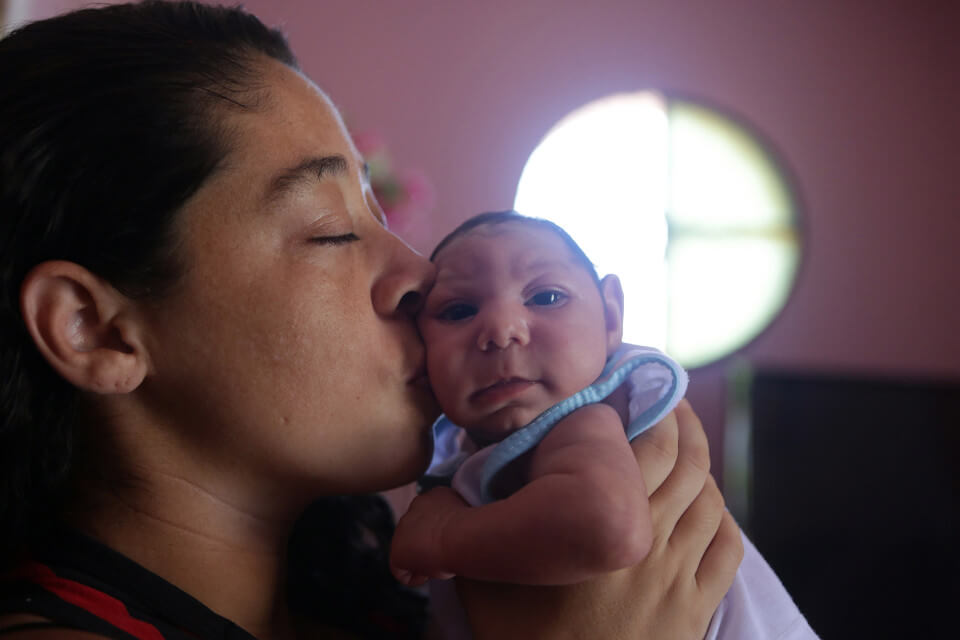
It remains one of the great mysteries of the Zika epidemic: Why did a virus that existed for decades elsewhere in the world suddenly seem to become more destructive when it landed in Latin America? […] An intriguing study in mice, which has prompted some skepticism among experts, suggests that a single genetic mutation helped transform the Zika virus into a devastating force in Latin America.

The study, by scientists in China, found that strains of Zika with the S139N mutation caused substantially more death and microcephaly in mice than other strains. And in a laboratory dish, the S139N strain killed many more human cells important to early brain development than an earlier strain without the mutation.

“They showed this mutation is both sufficient and necessary to make the virus worse,” said Hongjun Song, a neuroscientist at the University of Pennsylvania. […] The researchers do not claim the S139N mutation is solely responsible for the birth defects among children born to women infected by mosquitoes during pregnancy. Other causes could involve differences in the population in Latin America, including the possibilities that their genetic makeup or exposure to previous mosquito-borne viruses made them more susceptible to harm from Zika.

The GLP aggregated and excerpted this blog/article to reflect the diversity of news, opinion, and analysis. Read full, original post: The Zika Virus Grew Deadlier With a Small Mutation, Study Suggests

Flu vaccine works better on some younger people—if you have the right genetics

Screen Shot at PM

Nine genes are tied to a strong immune response to the flu vaccine in people 35 and under, a new study finds. If these genes are highly active before vaccination, a person will respond to the flu shot by making lots of antibodies. This is true no matter what flu variety, or strain, is in the vaccine. The response can help a person avoid getting the flu.

Getting a flu shot is the best way to stay healthy during flu season. The U.S. Centers for Disease Control and Prevention estimates that flu vaccines prevented 5.1 million illnesses in the 2015‒2016 season. “The problem is, we don’t know what makes a successful vaccination,” says Purvesh Khatri. He’s an immunologist at Stanford University School of Medicine in California.

The nine genes make proteins that have various jobs. They do things like telling other proteins where to go and giving structure to cells. Earlier research has tied some of these genes to the immune system. Khatri thinks the new study will lead to more research into how these genes encourage a good vaccine response. And figuring out how to boost the genes may help people who don’t respond strongly to flu vaccines, he says.

The GLP aggregated and excerpted this blog/article to reflect the diversity of news, opinion, and analysis. Read full, original post: Genes may predict how well the flu vaccine will work in young people

1 in 4 cancer patients turn to medical marijuana for relief

cannabis medica e

One of the most well-known purported uses for medical marijuana is to alleviate symptoms related to cancer treatment, and a new study finds that use of the drug among cancer patients is not uncommon. In the study, which included more than 900 cancer patients in Seattle, nearly one-quarter reported using medical marijuana in the past year.

The researchers found that 24 percent of the patients in the study were “active users,” meaning that they had used marijuana in the past year for cancer-related symptoms, and 21 percent reported using the drug in the past month. These rates are more than double those reported in national surveys of any type of marijuana user, the researchers said. […] Three-quarters of the active users said they used the drug to help with physical symptoms, including pain and nausea, and two-thirds reported that they used marijuana to help with psychiatric symptoms, including stress and sleep problems.

And though 74 percent of the people in the study said that they would like information on medical marijuana from their cancer teams, less than 15 percent actually received information from their health care providers. Instead, most people sought out information from friends, family members, media sources or other cancer patients, the researchers found.

The GLP aggregated and excerpted this blog/article to reflect the diversity of news, opinion, and analysis. Read full, original post: One-Quarter of Cancer Patients Use Medical Marijuana, Study Finds

Lee Berger: Paleoanthropologist ‘rewriting’ human evolutionary history

homo naledi
[Lee Berger] is the palaeoanthropologist behind the recent discoveries of not one but two new species of human ancestor. The finds were so remarkable that, by some accounts, they are rewriting the story of human evolution, and Berger, his team and his methods are at the centre of it.

In 2010, Berger made headlines after he (or, more accurately, his then 9-year-old son) found a trove of hominin bones belonging to what we now know as Australopithecus sediba in the hills north of Johannesburg, South Africa. […] He was convinced that even greater discoveries were waiting, particularly in the ancient caves that riddle the limestone-rich countryside.

He […] hit the jackpot in 2013: two chambers deep inside the Rising Star cave system contained Bergerhundreds of bones from another unknown species, which his team dubbed Homo naledi.

So far, his team has found the remains of at least 18 H. naledi skeletons, of all ages. It’s a huge hoard, particularly because many hominin species exist only as a handful of bones. “There was a real perception that these fossils are rare,” he says – and those who found them became reluctant to share access to such precious objects. “I’ve watched scientists become possessive,” he says. “I vowed early on not to do that if my opportunity arose.”

The GLP aggregated and excerpted this blog/article to reflect the diversity of news, opinion, and analysis. Read full, original post: The fossil finder extraordinaire who’s rewriting human evolution

Calls to ban glyphosate, neonics highlight need to ‘protect science’, say French corn farmers

At a meeting hosted on Wednesday [27 September] by CEPM, the maize lobby in Europe, maize farmers stressed the need for “protecting science”. The timing is key: 2017 is supposed to be the make or break year for glyphosate, a pesticide, and neonicotinoids, three herbicides substances.

Celine Duroc of CEPM, speaking on behalf of the EU’s maize producers, said the EU has become a net maize importer and registered a reduction in its maize cultivation because of low competitiveness due to restricted access to genetic manipulation techniques and plant protection products.

She claimed that maize monoculture can have a positive environmental impact by acting as a carbon sink, thanks to its capacity to absorb CO2.

“Farmers can do a lot if they understand the benefits but rules should not be imposed upon them, particularly if they are not based on science.”

Gilles Espagnol of the plant institute Arvalis said that without glyphosate, farmers will be left with a few herbicide alternatives which are 20% less effective and more costly because they are patented.

Stricter regulation on neonicotinoids would have similar effects, as there are no viable alternatives for pest controls, Espagnol claimed.

“We need to keep all remaining solutions in our toolbox,” he said.

The GLP aggregated and excerpted this article to reflect the diversity of news, opinion and analysis. Read full, original post: Maize farmers on glyphosate and neonicotinoids: ‘we need to protect science’

Beyond designer babies: What’s the future of ‘bio-modifications’?

Biohackers LED

Vanderbilt University professor Michael Bess’s presentation, “Our Grandchildren Redesigned,” was presented at the Dawn or Doom conference on [September 27]. Bess described a future where a person’s status and worth are defined by their modified capabilities. He envisions a world where products that enhance human intelligence, communication, physical ability and talents are constantly offering new upgrades, turning bio-modifications into the new normal.

With the introduction of more potent, precise drugs, the average life and health span of individuals will increase, and aging will be slowed down, if not reversed. On the other hand, the enhanced physical and mental performance of some individuals over others will, Bess believes, also result in the division of groups based on performance.

Advancements in the field of bioelectronics offer life-altering treatments to individuals with physical impairments.

Bess also believes that creating designer babies using genetic modification is a method that will be abandoned in favor of epigenetics.

Traditional genetic modification selects what genes will exist in an individual’s body. In contrast, when using epigenetics, a person’s DNA remains constant but some traits are turned on and used while others are programmed to stay dormant…

Bess said that with epigenetics “you can tweak, adjust, boost and upgrade at will.”

The GLP aggregated and excerpted this blog/article to reflect the diversity of news, opinion, and analysis. Read full, original post: Talk explores future of genetic manipulation

Tick tock, circadian clock research wins Nobel Prize—and why it may help us sleep and travel to Mars

Screen Shot at AM

What makes us get sleepy or stay awake is a complex of protein signals, chemical messengers, and biological responses to our environments.

For example, if you’ve ever seen the television ad for Hetlioz, it is FDA-approved to treat a condition called ‘non-24.’ This technical-sounding diagnosis simply means that its sufferers don’t respond to day/night cycles that correspond to a 24-hour cadence. For example, if a person is blind, he or she does not necessarily get light cues from the outside world to signal what level of physiological vigilance is appropriate. It is one of many chronic circadian rhythm sleep disorders (CRSDs).  

After many years of theorizing what happens in our bodies to produce day/night cycles of biological patternicity, Jeffrey C. Hall, Michael Rosbash, and Michael W. Young were just awarded the 2017 Nobel Prize in Medicine for determining that clock genes are involved in our bodies’ ability to properly and adequately signal sleepiness and wakefulness. A particular protein is degraded during the day and accumulates at night, allowing the physiological experience of alertness and somnolence. The Nobel Prize award speech included that “Their discoveries explain how plants, animals and humans adapt their biological rhythm so that it is synchronized with the Earth’s revolutions.”

These clocks are universal in life. They are ticking inside plants, fungi, protozoa, and animals. Circadian, or daily, rhythms are “just as fundamental as respiration,” says Charalambos Kyriacou, a molecular geneticist at the University of Leicester in the United Kingdom. “There isn’t any aspect of biology that circadian rhythms aren’t important for. They are totally fundamental in a way that we didn’t anticipate” before the discoveries honored today.

This work is a capstone on centuries of speculation and research. In 1729, French astronomer Jean Jacques d’Ortous de Mairan showed that mimosa leaves, which open at dawn and close at dusk, continued this cycle even when kept in darkness. It wasn’t until the 20th century that the idea of an internal clock—as opposed one that responds to external cues like light—became settled science. The genetic basis for a daily physiological cycle was first discovered in fruit flies in the 1970s.

Clock genes are extremely influential, affecting the activity of most other genes in the body in one way or another. Circadian mechanisms influence metabolism—how our body uses and stores energy—blood pressure, body temperature, inflammation, and brain function. Time of day can influence the effectiveness of drugs and their side effects. And mismatches between the clock and the environment, for instance as a result of jet lag or shift work, have been shown to play a role in mood disorders and even cancer risk.

sleep x
Sleep Medicine Center Washington University School of Medicine

Previously, I conducted research on the neuroscience of sleep, and within many sleep clinics there are already trials being developed to test drug treatments for their ability to modify these particular genes to manage hypersomnia or hyposomnia. Current sleep therapies typically bring with them fairly significant side effects and adverse events, such as loss of motor function or cognition, daytime sleepiness, parasomnias, and other phenomena.

If we could precisely target appropriate genetic signals, it would be possible to develop “cleaner” therapies that don’t have as many off-target effects, such as hypnotics often do. Misalignments in this system of clock genes is likely involved in diseases and disorders, and regularly impacts how many people function in the form of jet lag, where periodicity of certain chemicals occurs to how we evolved with the planet and sun, and isn’t easily forceable into artificial reset by jumping timezones. It has also been found that this system totally breaks down when there are no light cues for long periods of time. This is also why pulling the covers over your head or installing room-darkening blinds can help with extending sleep duration.

Elon Musk is sending people to Mars… Who will have trouble sleeping

One of the latest pronouncements from Elon Musk is to have humans sent to Mars by 2024. There are many psychological, physiological, and technological hurdles which must be crossed in order to make this happen, but the actual goal is not that difficult to develop strategies for.

mars
Proposed sleep pod for Mars mission.

One thing that will be difficult to address is the diurnal cycles experienced by most people compared with what the travelers will have to contend with. Astronauts have notoriously difficult and broken sleep due to a lack of signaling from the sun as to when they should be asleep versus awake, as happens on the surface of the Earth. Some efforts to offset this include timed sleep periods, white noise, and onboard full-spectrum lighting to simulate the light flux during ‘daytime.’

Travelers to Mars will take several months to reach their destination, and so will have no reliable solar signal to tell their bodies what they should be doing. There have been engineering proposals for “torpor-induced hibernation” among other options. Separately, Mars has a ‘day’ which lasts about 40 minutes longer than a day on Earth. This means that every 10 days that elapse on Mars will put our travelers out of sync with Earth by about 7 hours. There have been artificial habitat experiments on Earth to study the effects of precession or recession of time on study participants.

It’s interesting how ubiquitous this clock system is in organisms across the planet. Whether it’s due to divergent evolutionary paths or highly-conserved genes, many plants and animals have been found to have this endogenous protein for regulating day/night cycles. It’s also a potential target for future agricultural techniques where harvest size and yield can be altered by affecting the production of these proteins.

Ben Locwin is a behavioral neuroscientist and astrophysicist with a masters in business, and a researcher on the genetics of human disease. BIO. Follow him on Twitter @BenLocwin.

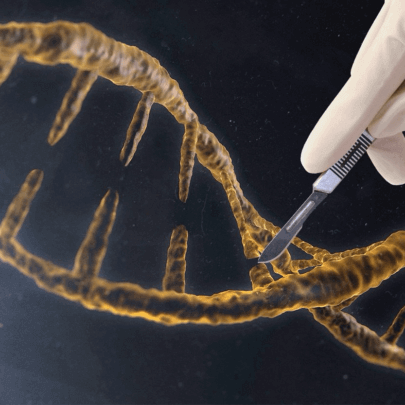
CRISPR shows promise against a ‘range of disorders’ in animal studies

crispr

The race is on to edit the DNA in our body to fight or prevent disease. Promising results from animal studies targeting the liver, muscles and the brain suggest that the CRISPR genome-editing method could revolutionise medicine, allowing us to treat or even cure a huge range of disorders.

The CRISPR genome-editing method was only developed in 2012, but it is proving so powerful and effective that around 20 trials in humans have already begun or will soon.

…Intellia Therapeutics of Cambridge, Massachusetts, for instance, is using fatty particles to deliver the CRISPR components to livers.

[Jeffrey Chamberlain at the University of Washington] has been able to edit tissues all over the body using viruses. Earlier this year, his team successfully treated muscular dystrophy in mice by injecting them with an adeno-associated virus carrying DNA coding for the CRISPR components.

Nicole Deglon of Lausanne University Hospital in Switzerland and colleagues have developed a way to prevent the cutting protein lingering for too long when viruses are used for delivery…

Last month, her team showed that this system reduces off-target effects in a mouse study targeting the gene that causes Huntington’s disease.

The GLP aggregated and excerpted this blog/article to reflect the diversity of news, opinion, and analysis. Read full, original post: We’re nearly ready to use CRISPR to target far more diseases

Many consumers mistakenly believe organic and non-GMO labels are interchangeable

organic is non gmo and more

[Editor’s Note: Jayson Lusk is a food and agricultural economist and head of the Agricultural Economics Department at Purdue University.]

An organic seal on a product should already convey to consumers that the ingredients came from a process that excluded GMOs. However, the very presence of [a new] label suggests many consumers may not be aware of this fact.  

I have a paper with Brandon McFadden forthcoming in [the] journal Applied Economic Perspectives and Policy…. In the paper, we delve into this issue and others. Here’s part of the motivation.  

It appears that organic organizations are concerned that consumers perceive non-GM and organic labels to be substitutes. Although many organic food companies supported the general idea of mandatory labeling, now that the policy has passed, organic producers have expressed concern that non-GM verification may be perceived as a substitute for the more expensive and encompassing organic certification…. Despite these concerns, little is known about the extent to which the two most common non-GM labels, USDA Organic and Non-GMO Project, are demand substitutes or complements.

Because it is more costly to be organic than non-GMO (since the latter is a subset of the former), it is easy to see why many food companies would want to add the additional label that “Organic is non-GMO and more”.

The GLP aggregated and excerpted this article to reflect the diversity of news, opinion and analysis. Read full, original post: Are organic and non-GMO labels substitutes or complements?

GMO algae—environmentally-friendly alternative to palm oil—runs into resistance

SOAP superJumbo

When green cleaning company Ecover announced the launch of a new laundry liquid containing an oil made from algae, as an alternative to the palm oil used in most detergents, it wasn’t prepared for the backlash.

The problem? The algae producing the oil were genetically modified.

The algae that the lab is working on have not been genetically modified, and “it naturally makes a lot of oil” says [Kourosh Salehi-Ashtiani, associate professor of biology at New York University in Abu Dhabi]. To use it on an industrial scale, he says, genetic screening – testing algae to identify those strains that are most productive – might be needed.

As for cost, no figures are available at this stage, he adds, but this will depend on growing location. He acknowledges palm oil is cheap but “cheap isn’t necessarily good, and people who are informed don’t necessarily go for cheap”.

It is early days for the project. The lab is only growing the algae “one litre at a time, max – and usually it’s not even that,” he says. “It’s got potential, absolutely yes, can I say that for sure it will be successful? You have to do the work to find out.”

The GLP aggregated and excerpted this article to reflect the diversity of news, opinion and analysis. Read full, original post: From algae to yeast: the quest to find an alternative to palm oil

Why Indian farmers are buying unapproved herbicide-resistant GMO cotton seeds

r

If market and industry estimates are true, Indian farmers have, in the current kharif season, bought and planted about [350,000] packets of genetically modified (GM) cotton seeds incorporating unapproved “herbicide tolerance” or HT technology.

Right now, the only GM cotton permitted to be grown in India are hybrids/varieties that contain ‘cry1Ac’ and ‘cry2Ab’ genes, isolated from the soil bacterium Bacillus thuringiensis (Bt) and coding for proteins toxic to bollworm insect pests. The government hasn’t so far approved cultivation of cotton harbouring other GM traits, including resistance to specific herbicides.

Cotton cultivation typically entails three rounds of weeding, each requiring 9-10 laborers per acre. At Rs 1,500-2,000 for every round — plus 2-3 times of bullock inter-culture operations, each costing Rs 500-600 — the farmer would spend upwards of Rs 6,000 per acre on removing weeds that compete with his crop for nutrients and water. If all this trouble — including finding labor just when most need — can be avoided by spraying herbicide, and there is technology enabling that, one can easily understand why nine [hundred thousand] farmers may have planted HT cotton, even without official approval.

If only the government and the NGOs, too, understand.

The GLP aggregated and excerpted this article to reflect the diversity of news, opinion and analysis. Read full, original post: Grey Market: When nearly a million Indian farmers plant ‘unapproved’ GM cotton

Viewpoint: Conventional farmers take better care of soil health than media portrays

soil in hands

[Editor’s Note: Amanda Zaluckyj is a practicing attorney and farmer’s daughter who shares her family’s story at The Farmer’s Daughter USA.]

In “Can American soil be brought back to life?” Politico reporter Jenny Hopkinson claims soil health has been completely neglected by the American farmer and that activities undertaken to promote it are seen as against farm culture… Yet if the reporter had spent a little more time researching the topic or speaking to more than one farmer, she’d realize soil health has long been a focus — even an obsession — among farmers.

Farmers — both conventional and organic — are already using strategies that improve soil health, such as no-till or minimum tillage, cover crops, crop rotation, and regular soil testing.

According to The Washington Post, as of 2009, 35 percent of the country’s farmland already had some no-till crops. The 2012 agricultural survey shows that of the 279 million tillable acres in the United States, 96 million fall under no-till practices, which is up from 88 million acres in 2010. The adoption of no-till has increased an average of 2.3 percent annually since records were first kept in 1972. The widespread use of genetically modified crops has also made this easier.

The GLP aggregated and excerpted this article to reflect the diversity of news, opinion and analysis. Read full, original post: Wrong, Politico: Today’s Farmers Are Obsessed With Healthy Soil

Here’s what we do and don’t know about pornography and violence

r

Porn has transformed over the past few decades, due to the availability of the internet and faster web connections. […] What does the evidence actually say about how porn may or may not be affecting people?

The fundamental question surrounding porn – which resurfaces every time a violent crime involves the perpetrator’s porn use – is whether it has the power to encourage, normalise or even trigger acts of rape and sexual violence.

[I]n 2010, researchers analysed more than 300 porn scenes and found that 88% contained physical aggression. Most of the perpetrators were male, and their targets female, and the latter’s most common response to aggression was to show pleasure or respond neutrally. […] One review of more than 80 studies in 2009 concluded that evidence of a causal link between porn use and violence is slim.

Does porn attract more people with sexually aggressive tendencies, those who are in unhappy relationships, those with smaller reward systems in their brain and those with sexual addiction – or does it cause these things? It’s a tricky area to research – but until the answers are more definitive, the evidence so far suggests that the likelihood that porn has a negative effect very much depends on the individual consuming it.

The GLP aggregated and excerpted this blog/article to reflect the diversity of news, opinion, and analysis. Read full, original post: Is porn harmful? The evidence, the myths and the unknowns

Russia trying to reduce dependence on imported seeds—without GMOs

russian tomatoes

Many growers use specialized seeds designed to resist pests, disease and drought, but more than half for some crops come from foreign producers including Monsanto Co. and Syngenta AG that dominate a global market valued at more than $58 billion. Russian firms including Ros Agro Plc and billionaire Oleg Deripaska’s farm unit want to reduce that reliance on imports by creating their own seeds for everything from corn to sunflowers and sugar beets.

Foreign companies supply about 80 percent of Russia’s sugar-beet seeds and almost half of corn seeds, the Agriculture Ministry said. Developing better seeds domestically could eventually boost crop yields as much as 20 percent, according to Pavel Volchkov, head of genome engineering at the Moscow Institute of Physics and Technology.

One difference between Russia and the big global seed producers is that it won’t be making seeds by splicing plant genes in a lab. The technology was popularized in the U.S., which now produces most of its corn and soybeans from genetically modified seeds. Russia bans GMOs over perceived risks to health, the environment and biodiversity.

Instead, Russia is working on seed hybrids that can mimic the yield-boosting traits of GMO products but can take as long as a decade to develop.

The GLP aggregated and excerpted this article to reflect the diversity of news, opinion and analysis. Read full, original post: The Plan to Feed All Russians Hinges On Homemade Seeds

Treating aggressive brain cancer with poliovirus

cancer

Certain things have a natural order. Breakfast before lunch. Infancy before adolescence. Autumn before winter.

So I was surprised to read a recent t article in Science Translational Medicine about experiments at Duke University treating cancer in human cells and in mice with an engineered poliovirus, when the television news show 60 Minutes had reported on four patients receiving the treatment for brain tumors back in 2015. Doesn’t preclinical work – cells and animal models – come first?

I decided to investigate.

Immunology 101

The idea to redirect an immune response against a pathogen to fight cancer goes back to the late nineteenth century, when Manhattan physician William Coley became intrigued by a man’s neck tumor that melted away after he contracted a nasty Streptococcus skin infection. After he found a few more cases, Dr. Coley began to experiment by rubbing bacteria-oozing goop into skin breaks in a few cancer patients. Every so often, tumors shrank. The approach, ignored for many decades, became known as “Coley’s toxins.”

The immune system attacks other pathogens including viruses, as well as cancer cells and transplanted cells, with two lines of defense—an immediate “innate” response that’s general, and a more specific, slower “adaptive” response.

First, a pathogen encounters “sentinel” (aka “antigen-presenting”) cells, the macrophages and dendritic cells. They’re festooned with proteins, called Toll-like receptors, which bind like Velcro to molecules on broad classes of pathogens. The binding sends out cascades of biochemical signals that launch the innate immune response: cells pour out anti-viral biochemicals (complement, collectins, and interferons) and trigger the adaptive response, causing T cells to secrete more interferons and activate B cells, which produce antibodies. (Bear with me, this is important.)

x
Astrocyte

Nervous tissue consists of nerve cells (neurons) as well as the much more abundant glia. Immunotherapy against brain cancer targets the glia, specifically the star-shaped astrocytes. Once thought to merely fill spaces and support neurons, a little like the view of housewives in the 1950s, glia are actually a vital part of the signaling that keeps the nervous system going.

Neurons normally don’t divide and so their DNA doesn’t have the opportunity to mutate into cancer. But glia do proliferate. And cancerous glia – gliomas – divide explosively.

Deploying Poliovirus

Matthias Gromeier, MD, had the idea to use poliovirus to combat recurrent glioma in the mid 1990s, while at Stony Brook. He described what’s now called PVSRIPO in a paper in 2000. It stands for Polio Virus Sabin-Rhinovirus Poliovirus.

PVSRIPO, a retooled Sabin live poliovirus vaccine, can’t enter neurons and has a bit of human (cold-causing) rhinovirus. In those early experiments, it vanquished induced brain tumors in mice and entered glioma cells growing in culture from patients undergoing surgery.

Wild poliovirus infects motor neurons in the brainstem and spinal cord of primates only, causing “flaccid paralysis” in 1-2 percent of people. (See Vaccine Memories: From Polio to Autism). The virus also infects glia, by latching onto a protein, CD155, on their surfaces. Glioma cells are especially dense with CD155. Normally, when CD155 isn’t serving as a poliovirus receptor, it links lining (epithelial) cells into sheets. Perhaps poliovirus originated as a borrowed bit of a human genome that encodes a protein that fits, like a puzzle piece, into CD155.

The modified poliovirus doesn’t cause polio, but is a vaccine. It unleashes an army of white blood cells that attack or attract the immune defense to the cancer – neutrophils, dendritic cells, and T cells.

A Monstrous Tumor

The worst of the worst, glioblastoma multiforme originates in astrocytes. Eric Holland, MD, PhD, at the Fred Hutchinson Cancer Research Center, called it “the terminator” in an editorial accompanying Dr. Gromeier’s 2000 report.

“Multiforme” refers to the myriad ways that this tumor takes over a human brain. It produces areas of decay or bleeding, while microscopically unfurling tiny tentacles everywhere, perhaps recapitulating the fast growth of an embryo’s brain. Surgery can “debulk” the tumor, and radiation and the oral chemo drug temozolomide can help, but almost always some tentacles persist. Tumor cells’ genomes are riddled with mutations. Changed, extra, and missing DNA bases sabotage the signaling that regulates the cell division cycle.

Glioblastoma

In 2000, Dr. Gromeier and colleagues hypothesized that their viral invention could coax an immune response against glioma cells. They thought it would do so by bursting, or lysing, the cells. And so was born the “oncolytic poliovirus for human tumors” that finally received a patent on August 3, 2017. I’ll call it OncPo because I can’t remember PVSRIPO. It would turn out to do much more than the investigators imagined in 2000.

Clinical trials

The journey from compelling idea to animal/cell experiments to clinical trial typically takes a decade or longer, and OncPo’s saga is no exception.

The phase 1 clinical trial that Scott Pelley reported on for 60 Minutes in 2015 and updated a year later was filed at ClinicalTrials.gov in late 2011, and the first patient treated on May 11, 2012. The trial was to enroll 61 patients, and the TV show followed four of them. All had grade IV malignant glioma (very bad), and received the viruses through catheters snaked into their tumors under MRI guidance.

The team formed Istari Oncology to sponsor the trial. Now in phase 2, it has added the chemo drug lomustine, which helped earlier patients. A separate clinical trial will test safety and preliminary efficacy in kids, in whom gliomas are rare.

Results were so promising that in May 2016, FDA assigned OncPo “breakthrough therapy” status, which presumably speeds evaluation. A “natural history” study reported in that month’s Journal of Clinical Oncology provided the data backing the designation. It found that median survival for 15 treated patients was 12.6 months compared to 10.5 months for 124 untreated “historical controls.” By 24 months, 23.3% of the treated patients were alive compared to 13.7% of the controls. Higher doses, the investigators suggested, should improve efficacy even more.

60 Minutes updated their story with the breakthrough status. But let’s rewind the tape.

60 Minutes

The TV show followed the clinical trial at Duke for 10 months. The first episode that catalyzed nearly everyone I know to immediately alert me sent my hype detector into overdrive:

“In just a moment, polio will be dripped into the brain of 58-year-old Nancy Justice. Her glioblastoma tumor was discovered in 2012. Surgery, chemotherapy and radiation bought her two and a half years. But the tumor came roaring back. Now, the virus in this syringe, which mankind has fought to eradicate from the earth, is the last chance she has in the world.”

Duke’s Chief of Neurosurgery Dr. John Sampson, used 3D MRIs to guide the delivery of the viruses into Nancy’s brain as she smiled and chatted away.

Pelley credited Dr. Gromeier, calling the idea his “obsession,” and then with a winning entry into the annals of science oversimplification asked the good doctor, “When you went to your colleagues and said, ‘I’ve got it. We’ll use the polio virus to kill cancer,’ what did they say?”

Cringeworthy quotes from Dr. Henry Friedman, deputy director of Duke’s Brain Tumor Center, followed, continuing the aw-shucks view of how biomedical science works:

“We thought the polio virus might help her. We had no idea what it would do in the long haul. It was a crapshoot. It’s roll the dice and hope that you’re gonna get an answer that is coming up sevens and not coming up snake eyes.”

Try putting that into a submission to the FDA.

Pelley went on to call OncPo “a Frankenstein virus” that “releases toxins that poison the cell.” I’d hardly call the body’s own unleashed interferon a toxin, so perhaps Pelley had heard of Coley’s toxins after all. He then went on to confuse FDA approval of testing the virus with approval of the treatment – a sure recipe for fueling false hope.

Still, despite the hyperbole, OncPo is a success in the world of new cancer treatments, which can mean just a few months of disease-free survival. But the experimental protocol is far too sensitive and complex to be premature primetime fodder, IMHO. Indeed, after those first few patients did well on a low dose, it was upped. But the higher dose caused extreme inflammation in one patient’s brain, paralyzing and then killing her.

All told, out of 21 patients treated in the phase 1 trial, 8 had died by May 2016 – but survival had increased by 6 months. That’s certainly something.

One success is Stephanie Lipscomb, a young nursing student when treated in 2012. According to Facebook she appears to be alive and well, a nurse now and a mother. News reports of course called her “cancer-free,” but that’s a term, as a geneticist who has had cancer, that I never use, because nevertheless, micrometastases persist. Nancy Justice, the first patient profiled who smiled as OncPo dripped into her brain, died April 6, 2016, from a recurrence. The cancer can return from the few glioma cells that don’t bear the poliovirus receptor.

Revelations in the recent paper

Four patients do not a breakthrough make. Meanwhile, Dr. Gromeier, with co-senior author Smita Nair, PhD, an immunologist at Duke, and others, continued to pursue precisely how OncPo highlights glioma cells to the immune system.

The new experiments track the effect on human cancer cell types growing in culture. OncPo bursts the cells, as expected, but they leave behind a clue: double-stranded RNA molecules. The RNAs come from an intermediate stage of the virus that binds to the Toll-like receptors, and that indicates an unexpected activation of the innate immune response, which unleashes inflammation.

(Duke Health)

Remember the bit of rhinovirus stitched into OncPo? It may get the ball rolling, activating dendritic cells, which release interferon and activate the T cells that zero in on the antigens that dot the tumor cell surfaces, as neutrophils rush to the scene. That’s how it happens. The new study also engineered mice that make human CD155, and those mice had an innate immune response to infection with OncPo too.

The overall result: the immune system “sees” the cancer cells.

What the new slew of experiments reveals is that poliovirus doesn’t just burst cancer cells, it also elicits a broader immune response. And that may suggest new ways to treat glioblastoma and other cancers.

“Knowing the steps to generate an immune response will enable us to rationally decide whether and what other therapies make sense in combination with poliovirus to improve patient survival,” summed up Dr. Gromeier. Added Dr. Nair, “Not only is poliovirus killing tumor cells, it is also infecting the antigen-presenting cells, which allows them to function in such a way that they can now raise a T-cell response that can recognize and infiltrate a tumor.”

But a powerful broader lesson emerges: a linear scientific method that leads to a conclusion (or treatment) isn’t the way research works. As I’ve written in dozens of textbook editions, science is a cycle of inquiry. Questioning and learning never cease, even for something as accepted as climate change or how vaccines work. And it’s why continued preclinical experiments are informing the next round of clinical trials to evaluate the promising, if century-old, idea to detour an immune response to infection to fight cancer.

Ricki Lewis has a PhD in genetics and is a genetics counselor, science writer and author of Human Genetics: The Basics. Follow her at her website or Twitter @rickilewis.

This story originally appeared on the PLOS website under the headline Poliovirus To Treat Brain Cancer: A Curious Chronology and has been republished here with permission.

European Commission works to garner support for glyphosate herbicide re-authorization

AutoTrac Vision SprayerInCorn large

The European Commission is exploring ways to bridge the gap between different member state requests regarding the re-authorization of the world’s most commonly used weedkiller, glyphosate, an EU spokesperson told EURACTIV.

On 25 September, France reiterated its opposition to glyphosate, which is used in Monsanto’s Roundup product. Following particular pressure from French farmers who expressed concerns about an immediate ban and the lack of cheap alternatives in the market, Paris said it was open to a five-year phase-out period.

The European Food Safety Authority (EFSA) and European Chemicals Agency (ECHA) have already given it a positive assessment and the European Commission proposed a 10-year re-authorization of the controversial weedkiller, as a compromise.

On the other hand, Copa-Cogeca, which represents EU farmers, has called for a full 15-year re-authorization of the herbicide, which is the normal procedure in such cases. 

Asked by EURACTIV whether the executive was willing to lower the years of extension in its proposal, an EU spokesperson said, “The Commission is working with member states to find a solution that enjoys the largest possible support, which ensures a high level of protection of human health and the environment – in line with the EU legislation and based on the available scientific data.”

The GLP aggregated and excerpted this article to reflect the diversity of news, opinion and analysis. Read full, original post: Commission seeks ‘largest possible’ support for glyphosate re-authorisation

Scientist who found no glyphosate in breast milk faced anti-pesticide activist attacks

Screen Shot at AM

[Editor’s note: Karl Haro von Mogel has a Ph.D. in Plant Breeding and Plant Genetics from the University of Wisconsin-Madison.]

I met up with Professor Shelley McGuire at Washington State University and two other members of her team, Kimberly Lackey and Bill Price, who together published the study that showed that breast milk did not contain glyphosate, the active ingredient in Roundup. … Scientifically this was uncontroversial, but McGuire’s team became embroiled in controversy because some organizations found it inconvenient for their political campaigns against the chemical.

Organizations like Moms Across America and Sustainable Pulse attacked her reputation and her research, while [US Right to Know] submitted records requests for all her correspondence.

[Editor’s note: Read the GLP’s profile on US Right to Know.]

shelley mcguire x x
Shelley McGuire

At the height of it all, Shelley received a harassing postcard.

When people lash out at scientists with such hateful, tasteless, confused artifacts, it means that they are revealing parts of the universe that are dangerous to their identity.

I learned that conflicts of interest are not always what they seem. Dr. McGuire’s research was thorough, confirmed, and influential for public policy – everything that the organizations who attacked her were not. This contrast was also explained in Food Evolution (see my review here), which you should see if you haven’t yet done so.

The GLP aggregated and excerpted this article to reflect the diversity of news, opinion and analysis. Read full, original post: Glyphosate, breast milk, science and conflict