‘Organic GMOs’: Pamela Ronald and Raoul Adamchak on how genetic engineering can reduce pesticide use and protect the environment

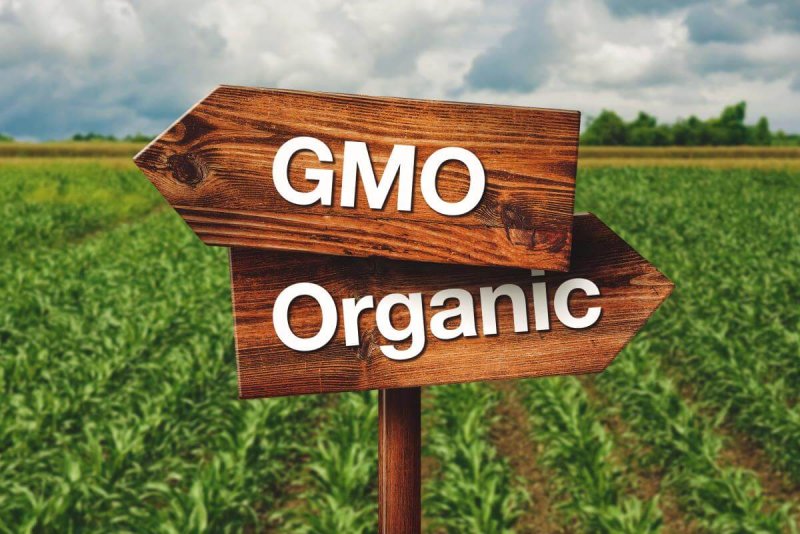
GMO verses Organic Crops
[Genetic engineering] is a powerful tool that can help us farm responsibly and sustainably by minimizing damage to the environment and prioritizing the health of both people and animals — the precise goals of organic farming. Type the terms ‘GMO’ and ‘organic’ into Google and you’ll get a barrage of links framing the two as diametrically opposed. The truth is that, when well-designed and used responsibly, the products of genetic engineering are often perfectly aligned with the goals of organic farming.

One testament to this compatibility is the marriage of Pamela Ronald, a plant geneticist, and Raoul Adamchak, an organic farmer, who live and work in Davis, California

In Tomorrow’s Table: Organic Farming, Genetics, and the Future of Food, Ronald and Adamchak argue that genetic engineering can help “develop biologically-oriented, sophisticated, and elegant approaches to address agricultural problems” and that “to maximize the benefit of GE [genetically engineered] plants, they would best be integrated into an organic farming system.”

There are already many examples of what we might call “organic GMOs”: those that promote the same values as organic farming by reducing the use of synthetic chemicals, delivering more nutrition, and even restoring ecosystems. In the late 1990s, GMO papaya saved Hawaii’s entire papaya industry from viral eradication

Read full, original post: Organic GMOs could be the future of food — if we let them

{{ reviewsTotal }}{{ options.labels.singularReviewCountLabel }}
{{ reviewsTotal }}{{ options.labels.pluralReviewCountLabel }}
{{ options.labels.newReviewButton }}
{{ userData.canReview.message }}

Related Articles

Infographic: Global regulatory and health research agencies on whether glyphosate causes cancer

Infographic: Global regulatory and health research agencies on whether glyphosate causes cancer

Does glyphosate—the world's most heavily-used herbicide—pose serious harm to humans? Is it carcinogenic? Those issues are of both legal and ...

Most Popular

ChatGPT-Image-Jun-16-2026-10_29_11-AM
What’s behind Anthropic’s warning about the accelerating development of AI
ChatGPT-Image-Jun-16-2026-10_01_45-AM-2
Viewpoint—Recursive self-improvement: AI leader Anthropic calls for AI slowdown
Screenshot-2026-06-16-at-10.02.22-PM
Viewpoint: ‘Industrial food’ primer—Challenging the dangerous delusions of the alternative food movement
Screenshot-2026-06-17-at-11.57.12-AM
Viewpoint: Raw milk and the myth of safety—ProPublica exposes the growing anti-homogenization movement
ChatGPT-Image-Jun-9-2026-01_11_37-PM
Turmeric supplements: More risks than benefits
ChatGPT-Image-Jun-15-2026-02_31_28-PM-2
Trump-appointed cancer panel head backed by supplement and anti-vaccine companies promotes discredited support for ivermectin as a potential cure
ChatGPT-Image-Jun-4-2026-03_07_27-PM
AAP v. Kennedy: While a court challenge grinds on, RFK Jr. quietly advances his anti-vaccine conspiracy agenda
ChatGPT-Image-Mar-10-2026-01_39_01-PM
Viewpoint—“Miracle molecule” debunked: Why acemannan supplements don’t work
Screenshot-2026-06-16-at-11.23.32-AM
In a rebuke to RFK, Jr.’s anti-vax crusade, journal retracts study claiming hepatitis B vaccine–autism link
ChatGPT Image Jun 16, 2026, 12_03_37 PM
Kennedy accused of trying to ‘bully’ science journal that retracted study linking vaccines to infant deaths
newborn infant baby mother
Facts & Fallacies Podcast: The truth about vitamin K shots
ChatGPT-Image-May-18-2026-12_06_18-PM-2
Defying death: The immortality movement goes mainstream
glp menu logo outlined

Get news on human & agricultural genetics and biotechnology delivered to your inbox.