Viewpoint: Uganda’s President Yoweri Museveni should trust country’s scientists—not activists—on GMO safety

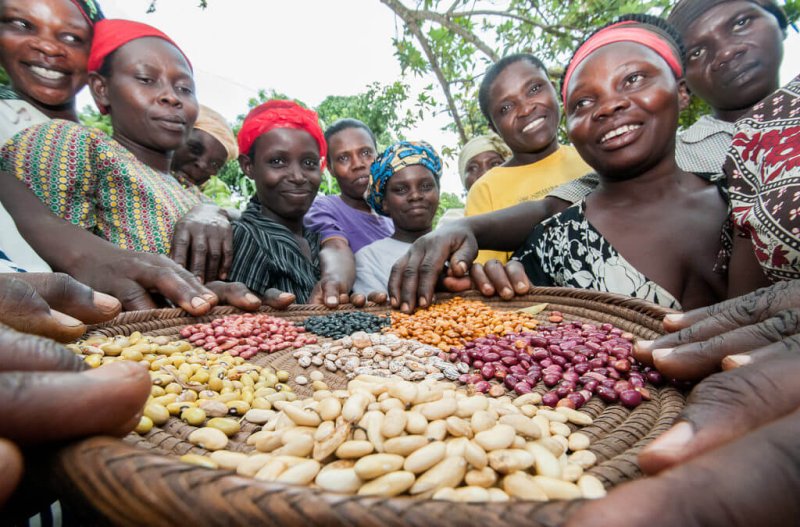
beans uganda x

Editor’s note: Arthur Makara is the executive director of the Science Foundation for Livelihoods and Development in Uganda

When [Uganda’s] President [Yoweri] Museveni announced his decision to defer signing the National Biosafety Act 2017 into law a few days ago, I wrote a piece clarifying that he is likely to have been misinformed. I based my argument on the nature of the issues he raised, which I felt were a reflection of something other than the President’s well-established views on science, technology and innovation, and specifically on biotechnology.
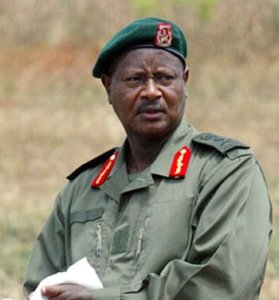
yoweri president de louganda
Uganda’s President Yoweri Museveni

Uganda has been praised globally for its quality of scientists, and scientific outcomes, and the evidence is there for everyone to see. The Members of Parliament passed the National Biosafety Act because many of them who went to NARO institutes — Namulonge, Kawanda, the National gene bank in Entebbe, livestock research institute in Tororo, and the Makerere University teaching and research laboratories — were amazed at what Uganda has in terms of capacity and the quality of scientists and the science they are doing. They were further encouraged by the patriotism of the scientists and above all, the need to give scientists a legal and regulatory direction as they continue with new and emerging endeavors such as biotechnology for the benefit of all Ugandans.

I therefore encourage the President to consult more with his true cadre — the scientists.

Read full, original post: Commentary: Listen to Uganda’s scientists

{{ reviewsTotal }}{{ options.labels.singularReviewCountLabel }}
{{ reviewsTotal }}{{ options.labels.pluralReviewCountLabel }}
{{ options.labels.newReviewButton }}
{{ userData.canReview.message }}

Related Articles

Infographic: Global regulatory and health research agencies on whether glyphosate causes cancer

Infographic: Global regulatory and health research agencies on whether glyphosate causes cancer

Does glyphosate—the world's most heavily-used herbicide—pose serious harm to humans? Is it carcinogenic? Those issues are of both legal and ...

Most Popular

Screenshot-2026-06-15-at-1.55.27-PM
America's trust in Trump-Kennedy's CDC health recommendations is plunging
ChatGPT-Image-Jun-23-2026-03_12_23-PM
Is cellular reprogramming junk science? Nearly 20 patients are getting eye injections in the first FDA-cleared cellular trial
ChatGPT-Image-Jun-24-2026-11_36_47-AM
Why the human genome is less a script than a puzzle
ChatGPT-Image-Jun-17-2026-10_52_43-AM
Anguished parents, doctors in tears: Utah’s long measles outbreak takes a toll
Screenshot 2026-06-25 at 10.55
Leading OB-GYN group challenges RFK, Jr. gutting of maternal vaccine schedule
ChatGPT-Image-Jun-25-2026-12_23_17-PM
No, Bill Gates did not secretly engineer ticks to promote veganism
ChatGPT-Image-Mar-10-2026-01_39_01-PM
Viewpoint—“Miracle molecule” debunked: Why acemannan supplements don’t work
Screenshot-2026-06-22-at-9.04.46-PM
Kennedy's nutrition prescription for medical schools: Real problem, bad cure
Screenshot-2026-06-25-at-1.48.40-PM
Glyphosate affirmed as safe: Supreme Court rejects lawsuit claiming Roundup herbicide causes cancer, upholding EPA determination
Screenshot-2026-06-24-at-2.57.41-PM
Viewpoint: Trump’s Reflecting Pool algae fiasco points to a bigger culprit: Climate change
Screenshot-2026-06-24-at-2.40.46-PM
Hegseth reversal: As Air Force flu outbreak continues to surge, military reinstitutes mandatory vaccines for recruits
glp menu logo outlined

Get news on human & agricultural genetics and biotechnology delivered to your inbox.