Gene editing: How breeders use CRISPR and TALEN to improve crops, livestock

piglets today tease a c b ccf c b f today inline large

Animal and plant breeders are trying out a set of powerful new tools which have the potential to revolutionize agricultural practices and provide consumers with more healthy and safe food options.

[T]wo processes developed in recent years are accelerating breeders’ ability to genetically alter crops and animals and apply the brakes to harmful organisms. Both can precisely improve a plant or animal without incorporating DNA from another species. One process is a mouthful called Clustered Regularly Interspaced Short Palindromic Repeats, or CRISPR, and the other is a similarly large swallow called Transcription Activator-Like Effector Nucleases (TALEN).

They are used to insert genes or knock them out, tag their location on a chromosome, correct genetic defects, etc. Thus, scientists hope to use them to benefit human health, first of all, but also to edit the genes of animals, plants, bacteria, fungi, and other organisms. They want to improve livestock breeds and crop varieties, but also eliminate diseases, wipe out pathogens, rein in harmful insects, and more.

Significantly, unlike other traditional gene-editing methods, employing CRISPR or TALEN is cheap, quick and relatively easy for breeders to use.

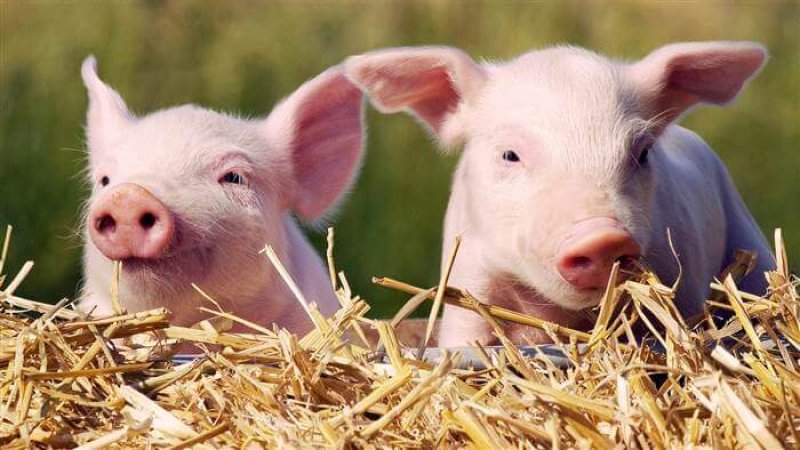
[R]esearchers [using CRISPR] successfully bred pigs that are not harmed by the Porcine Reproductive and Respiratory Syndrome (PRRS) virus, a disease that costs North American farmers more than $660 million annually.
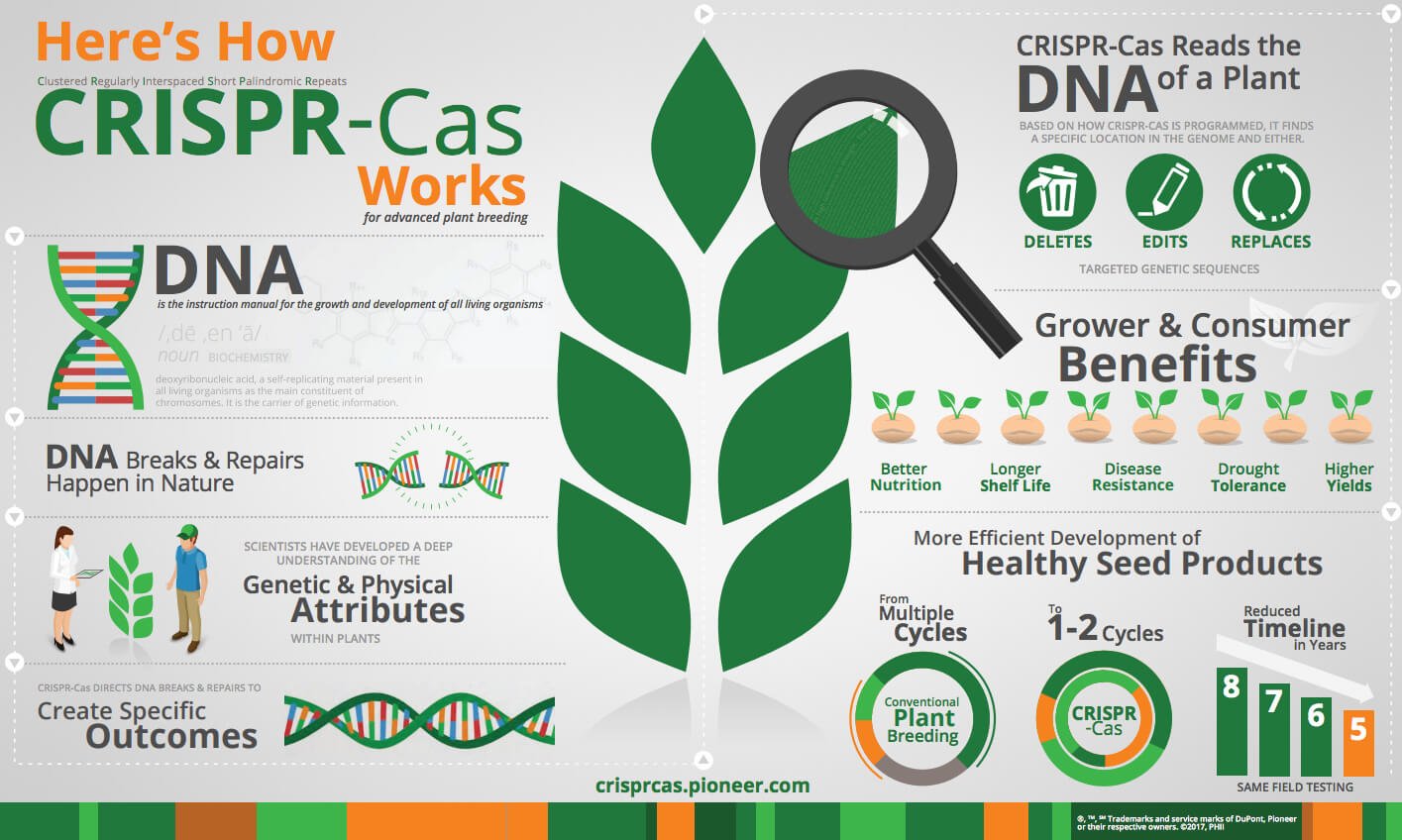
CRISPR Cas infographic

Read full, original post: What is gene editing and why should you care?

{{ reviewsTotal }}{{ options.labels.singularReviewCountLabel }}
{{ reviewsTotal }}{{ options.labels.pluralReviewCountLabel }}
{{ options.labels.newReviewButton }}
{{ userData.canReview.message }}

Related Articles

Infographic: Global regulatory and health research agencies on whether glyphosate causes cancer

Infographic: Global regulatory and health research agencies on whether glyphosate causes cancer

Does glyphosate—the world's most heavily-used herbicide—pose serious harm to humans? Is it carcinogenic? Those issues are of both legal and ...

Most Popular

Screenshot-2026-04-20-at-2.26.27-PM
Viewpoint — Food-fear world: The latest activist scientists campaign: Cancer-causing additives
Screenshot-2026-03-13-at-12.14.04-PM
The FDA wants to make many popular prescription drugs OTC—a great idea. Here’s why it’s unlikely to happen
ChatGPT-Image-May-1-2026-02_20_13-PM
How RFK, Jr.’s false vaccine claims are holding up $600 million to fight diseases in poor countries
Screenshot-2026-05-01-at-11.56.24-AM
‘Science moves forward when people are willing to think differently’: Memories of DNA maverick Craig Venter
Screenshot-2026-04-03-at-11.15.51-AM
Paraben panic: How a flawed study, media hype, and chemophobia convinced the public of the danger of one of the safest classes of preservatives
viva-la-vida-watermelons
Misinformation and climate change are endangering summer watermelons
Screenshot-2026-04-30-at-2.19.37-PM
5 myths about summer dehydration that could damage your health — or even kill you
ChatGPT-Image-Mar-27-2026-11_27_05-AM
The myths of “process”: What science says about the “dangers’ of synthetic products and ultra-processed foods
ChatGPT-Image-Mar-10-2026-01_39_01-PM
Viewpoint—“Miracle molecule” debunked: Why acemannan supplements don’t work
Drinking lots of water can help reduce the effects of aging
Nanoplastics in drinking water: MAHA activists forge science-based bipartisan coalition 
Screenshot-2026-05-04-at-12.54.32-PM
How Utah became the country’s supplement capital  — and a haven for unregulated, ineffective and fake products
79d03212-2508-45d0-b427-8e9743ff6432
Viewpoint: The Casey Means hustle—Wellness woo opportunism dressed up as medical wisdom
circular-bioeconomy-should-focus-on-sustainable-wellbeing
GLP podcast: What's wrong with 'doomsday' environmentalism? It's false.

Sorry. No data so far.

glp menu logo outlined

Get news on human & agricultural genetics and biotechnology delivered to your inbox.