Growth in urban beekeeping hurting wild bees

Screen Shot at AM

The rise in amateur beekeepers keeping hives on roofs and gardens is contributing to the decline of wild bees, Cambridge University has claimed.

Experts at the Department of Zoology said the growth in urban keeping was leaving wild bees struggling to gather enough pollen and nectar.

“Keeping honeybees is an extractive activity. It removes pollen and nectar from the environment, which are natural resources needed by many wild species of bee and other pollinators,” said [Juan] González-Varo, [a bee researcher in] Cambridge’s Zoology Department.

“Honeybees are artificially-bred agricultural animals similar to livestock such as pigs and cows. But this livestock can roam beyond any enclosures to disrupt local ecosystems through competition and disease.”

The conservationists argue there is a “lack of distinction” in public understanding – fuelled by misguided charity campaigns – between an agricultural problem and an urgent biodiversity issue.
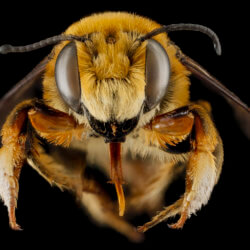
“The crisis in global pollinator decline has been associated with one species above all, the western honeybee.

“Yet this is one of the few pollinator species that is continually replenished through breeding and agriculture,” said co-author Jonas Geldmann.

“Saving the honeybee does not help wildlife. Western honeybees are a commercially managed species that can actually have negative effects on their immediate environment through the massive numbers in which they are introduced.”

Read full, original post: Urban beekeeping is harming wild bees, says Cambridge University

{{ reviewsTotal }}{{ options.labels.singularReviewCountLabel }}
{{ reviewsTotal }}{{ options.labels.pluralReviewCountLabel }}
{{ options.labels.newReviewButton }}
{{ userData.canReview.message }}

Related Articles

Infographic: Global regulatory and health research agencies on whether glyphosate causes cancer

Infographic: Global regulatory and health research agencies on whether glyphosate causes cancer

Does glyphosate—the world's most heavily-used herbicide—pose serious harm to humans? Is it carcinogenic? Those issues are of both legal and ...

Most Popular

ChatGPT-Image-Mar-10-2026-01_39_01-PM
Viewpoint—“Miracle molecule” debunked: Why acemannan supplements don’t work
ChatGPT-Image-Jul-8-2026-12_32_48-PM
Viewpoint: SCOTUS strikes a blow against junk science in Bayer glyphosate case. Will it deter mass tort litigators?
afb-a-b
As the EU loosens restrictions on agricultural gene editing, it remains years behind the rest of the world on equally-safe GMO foods
ChatGPT-Image-Jul-7-2026-01_57_55-PM
Viewpoint: Europe’s rejection of air conditioning is the poster child for misunderstanding how to mitigate the impact of climate change
ChatGPT-Image-Jun-25-2026-12_23_17-PM
No, Bill Gates did not secretly engineer ticks to promote veganism
Screenshot-2026-07-10-at-2.02.54-PM
Viewpoint: In abortion-restricting Florida, misinformation abounds when Republican congresswoman faces an ectopic pregnancy
Screen-Shot-at-PM-pe-vra-kipgaprbdo-vd-ms-jpule-n-jqqaxf-l-e
Viewpoint: Will new breeding techniques help make European agriculture more competitive?
Screenshot-2026-07-10-at-3.25.10-PM
Using AI for health questions? Here are 4 tips for the most accurate answers.
Screenshot-2026-07-10-at-3.10.50-PM
Snake-oil cures throughout history
Screenshot-2026-07-10-at-12.55.21-PM
Cancer health facts are particularly susceptible to online misinformation
Screenshot-2026-07-08-at-2.14.27-PM
Belief in unproven dietary regimes, vitamins, and crank therapies is putting patients’ health in danger and increasing the risk of getting cancer
ChatGPT-Image-Jul-1-2026-03_33_49-PM
‘Alternative’ cancer treatments that could kill you
ChatGPT-Image-Jun-30-2026-10_27_31-AM
Viewpoint: Europe clears the way for gene-edited crops — but fear-driven restrictions still slow their full potential
glp menu logo outlined

Get news on human & agricultural genetics and biotechnology delivered to your inbox.