Namibia opens first GMO research lab with goal of reducing food imports

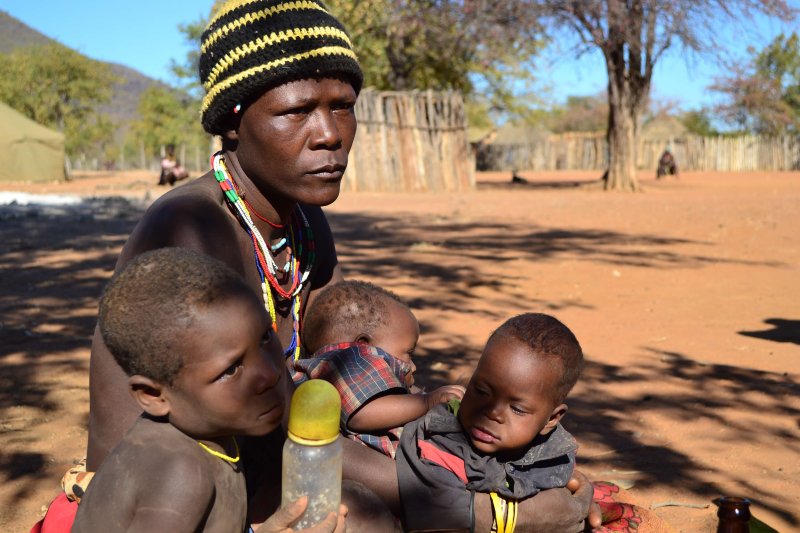
Namibia redcross

Namibiaย will now be able to trace the history of genetically modified organisms’ products on the local market.

The National Commission for Research, Science and Technology’s (NCRST) biotechnology manager Paulus Mungeyi said … that the traceability of GMO is critical to determine their content.

He said this after the official launch of the NCRST’s biotechnology testing, training and research laboratory in Windhoek…. The establishment of the lab, Mungeyi said, is part of the mandate to administer the Biosafety Act which regulates activities involving the research, development, production, marketing, transportation and other uses of GMOs, and specific products from GMOs.

โ€œThe laboratory will play a big role in building local capacity regarding producing a cadre of professional researchers in this field, and ultimately producing by-products that are designed and suited for local use, rather than always relying on imports,โ€ he added.

[Director of research and innovation in the higher education ministry Lisho Mundia] pointed out that there is misinformation among communities about GMOs and other biotechnology-based products because of a lack of capacity and resources.

โ€œTherefore, by building local testing and food safety assessment capacity, Namibia will be in a better position to make decisions on the standards of food we produce or import, through an evidence-based approach,โ€ Mundia said.

Read full, original post:ย Namibia can now trace GMO origins

{{ reviewsTotal }}{{ options.labels.singularReviewCountLabel }}
{{ reviewsTotal }}{{ options.labels.pluralReviewCountLabel }}
{{ options.labels.newReviewButton }}
{{ userData.canReview.message }}

Related Articles

Infographic: Global regulatory and health research agencies on whether glyphosate causes cancer

Infographic: Global regulatory and health research agencies on whether glyphosate causes cancer

Does glyphosateโ€”the world's most heavily-used herbicideโ€”pose serious harm to humans? Is it carcinogenic? Those issues are of both legal and ...

Most Popular

Screenshot-2026-03-13-at-12.14.04-PM
The FDA wants to make many popular prescription drugs OTCโ€”a great idea. Hereโ€™s why itโ€™s unlikely to happen
Screenshot 2026-05-06 at 2.56
Singularity crisis ahead? Can super babies save us from rogue AI geniuses?
Screenshot-2026-04-20-at-2.26.27-PM
Viewpoint โ€” Food-fear world: The latest activist scientists campaign: Cancer-causing additives
Screenshot-2026-05-04-at-12.54.32-PM
How Utah became the countryโ€™s supplement capitalย  โ€” and a haven for unregulated, ineffective and fake products
Screenshot-PM-24
Viewpoint: The herbicide glyphosate isnโ€™t perfect. Banning it would be far worse.
images
The never-ending GMO debate: Pros and cons
Screenshot-2026-05-01-at-11.56.24-AM
โ€˜Science moves forward when people are willing to think differentlyโ€™: Memories of DNA maverick Craig Venter
Screenshot-2026-04-03-at-11.15.51-AM
Paraben panic: How a flawed study, media hype, and chemophobia convinced the public of the danger of one of the safest classes of preservatives
Screenshot-2026-04-30-at-2.19.37-PM
5 myths about summer dehydration that could damage your health โ€” or even kill you
79d03212-2508-45d0-b427-8e9743ff6432
Viewpoint: The Casey Means hustleโ€”Wellness woo opportunism dressed up as medical wisdom
ChatGPT-Image-May-1-2026-02_20_13-PM
How RFK, Jr.โ€™s false vaccine claims are holding up $600 million to fight diseases in poor countries
glp menu logo outlined

Get news on human & agricultural genetics and biotechnology delivered to your inbox.