European consumers think non-GMO, other ‘free-from’ labeled foods are healthier

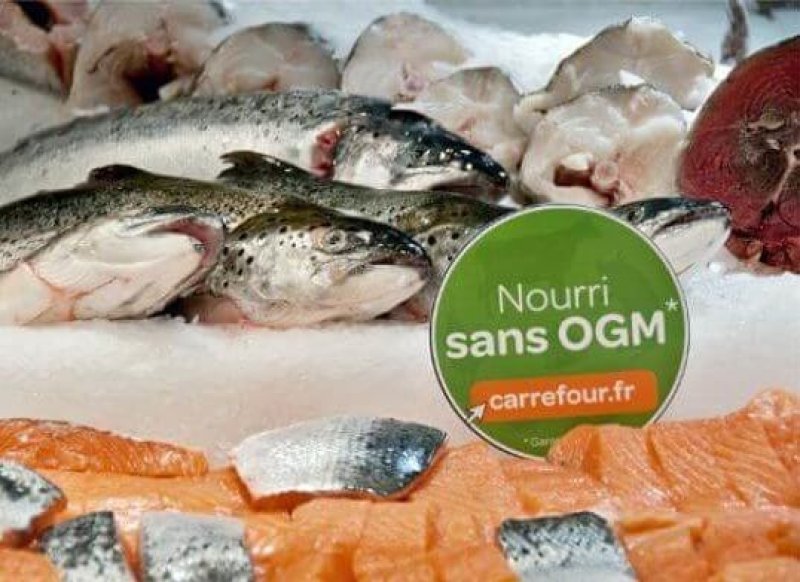
Nourri sans OGM e

Free-from labelled foods seem healthier, with GM-free and palm oil-free labels having the strongest effect, according to a study of almost 2000 French, Swedish, British and Polish individuals.

The researchers, from Switzerland’s ETH Zurich and the Brussels-based European Food Information Council,ย wanted to find out how various free-from labels – lactose-free, gluten-free, GM-free and palm oil-free – shape perceptions of foods.

They found that products bearing a free-from label were considered healthier than products without such a label, with the strongest effects occurring for labels indicating that products were free of GMOs and free of palm oil.

However, the more nutritionally informed an individual was, the smaller the ‘health halo’ effect was.

Not all nationalities had the same free-from perceptions.ย Both Polish and French participants saw GMO-free GM products as healthier compared with Swedish and British respondents….

Perhaps unsurprisingly, French respondents were most receptive to palm-oil free and GM-free claims. The GM researchers suggested this may be due to French government policy.ย โ€œPublic debate and negative media coverage [in France] as well as the contemplated tax ban on palm oil and restrictive regulation of GMO in food and GM crops could be drivers of the negative image these ingredients have in the French consumer sample,โ€ they wrote.

[Editor’s note: Read theย full study (behind paywall)]

Read full, original post:ย Free-from foods are seen as healthier – especially GM-free and palm oil-free: study

{{ reviewsTotal }}{{ options.labels.singularReviewCountLabel }}
{{ reviewsTotal }}{{ options.labels.pluralReviewCountLabel }}
{{ options.labels.newReviewButton }}
{{ userData.canReview.message }}

Related Articles

Infographic: Global regulatory and health research agencies on whether glyphosate causes cancer

Infographic: Global regulatory and health research agencies on whether glyphosate causes cancer

Does glyphosateโ€”the world's most heavily-used herbicideโ€”pose serious harm to humans? Is it carcinogenic? Those issues are of both legal and ...

Most Popular

ChatGPT-Image-May-7-2026-12_16_37-PM-2
Viewpoint: Are cancer rates โ€˜skyrocketingโ€™ as RFK, Jr. and MAHA claims? The evidence says mostly the opposite
Screenshot-2026-04-13-at-1.39.26-PM
Viewpoint: โ€˜Safer for children?โ€™ Stonyfield yogurt under fire for deceptive organic marketing
Screenshot-2026-04-22-at-10.46.29-AM
Viewpoint: How to counter science disinformation? Science journalist offers 12 practical tips
png-pill-omega-Supp-fish-oil
Millions take omega-3 fish oil for brain health. New research suggests it may do the opposite.
Screenshot-2026-04-23-at-11.00.36-AM
Regulators' dilemma: Thalidomide, Metformin, and the cost of getting drug approvals wrong
ChatGPT Image May 14, 2026, 09_51_35 PM
Facebook swamped by hundreds of thousands of scam ads for illegal or dangerous medical products
ChatGPT Image May 12, 2026, 01_21_30 PM
How big health brands are funding online medical misinformationย 
Picture1-1
Cooling the planet with balloons: Could a geoengineering gamble slow global warming?
Picture1-5
Science Disinformation Gap: The transatlantic battle over social media and censorship
ChatGPT-Image-May-12-2026-08_39_41-PM
GLP podcast: Big Pharma, Big Ag, Big Foodโ€”health harming industries or life-saving innovators?

Sorry. No data so far.

glp menu logo outlined

Get news on human & agricultural genetics and biotechnology delivered to your inbox.