‘Inherently imperfect’: Why ancestry tests are often misunderstood

tests

It’s right there in the fine print of any consumer DNA test, if you bother to read it: DNA testing can come with identity-disrupting surprises, be it an unexpected relative, genetic condition, or, in our case, heritage. But something about [the genetic test results] didn’t feel quite right.

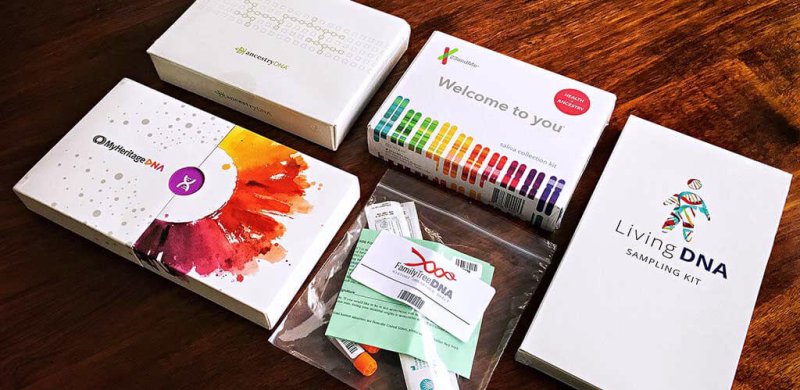
I suspected the error might lay not in my family narrative, but in the DNA test itself. So I decided to conduct an experiment. I mailed my own spit samples to AncestryDNA, as well as to 23andMe and National Geographic. For each test I got back, the story of my genetic heritage was different—in some cases, wildly so.

Four tests, four very different answers about where my DNA comes from—including some results that contradicted family history I felt confident was fact. What gives?

A big problem is that many of us have a basic misunderstanding of what exactly we’re reading when Ancestry or 23andMe or National Geographic sends us colorful infographics about how British or Irish or Scandinavian we are. It’s not that the science is bad. It’s that it’s inherently imperfect, an estimation based on how much our DNA matches up with people in other places around the world, in a world where people have been mixing and matching and getting it on since the beginning of human history.

Read full, original post: How DNA Testing Botched My Family’s Heritage, and Probably Yours, Too

{{ reviewsTotal }}{{ options.labels.singularReviewCountLabel }}
{{ reviewsTotal }}{{ options.labels.pluralReviewCountLabel }}
{{ options.labels.newReviewButton }}
{{ userData.canReview.message }}

Related Articles

Infographic: Global regulatory and health research agencies on whether glyphosate causes cancer

Infographic: Global regulatory and health research agencies on whether glyphosate causes cancer

Does glyphosate—the world's most heavily-used herbicide—pose serious harm to humans? Is it carcinogenic? Those issues are of both legal and ...

Most Popular

ChatGPT-Image-Jun-11-2026-01_15_03-PM
Selective Pressure, Selective Silence
ChatGPT Image Jun 3, 2026, 03_54_37 PM
Viewpoint: “Turn on, tune in, drop out”—Kennedy embraces the Timothy Leary psychedelic revolution
Screenshot 2026-05-26 at 10.15
Viewpoint: Double standard—Why does the wellness industry get a free pass while Big Healthcare is treated as morally suspect?
Screenshot-2026-06-11-at-3.40.06-PM
'Toxin' detox: A gastroenterologist weighs in on $71 billion health trend
Screenshot-2026-06-11-at-4.00.17-PM
Gen Z burned by sunscreen misinformation and tanning myths
Screenshot-2026-06-05-at-1.44.09-PM
Viewpoint: Scientists have scrapped the worst-case climate scenario. Is that proof that climate change is a hoax, as Trump claims?
Screenshot-2026-06-05-at-2.12.30-PM
Some plants can poison you. So how did humans figure out what is safe to eat?
Screenshot-2026-06-03-at-3.33.44-PM
Viewpoint: Vaccine deniers are attacking a life-saving Vitamin K shot for newborns that isn’t even a vaccine
ChatGPT-Image-Jun-11-2026-10_34_44-AM-2
Will hi-tech genetic fortune-telling really help parents make healthier children?
Screenshot-2026-06-08-at-1.35.30-PM
Viewpoint: Social media and fake natural health propaganda fuel surge in use of mostly useless supplements
ChatGPT-Image-Jun-10-2026-12_57_24-PM
Viewpoint: Why gene-editing babies is moral and certain to happen
Credit: ACSH
Viewpoint: Who and what’s to blame for the surge in vaccine-preventable diseases?
ChatGPT Image Jun 3, 2026, 03_14_43 PM
Viewpoint: How Earthjustice became the poster child for the abuse of special interest activist funding
glp menu logo outlined

Get news on human & agricultural genetics and biotechnology delivered to your inbox.