


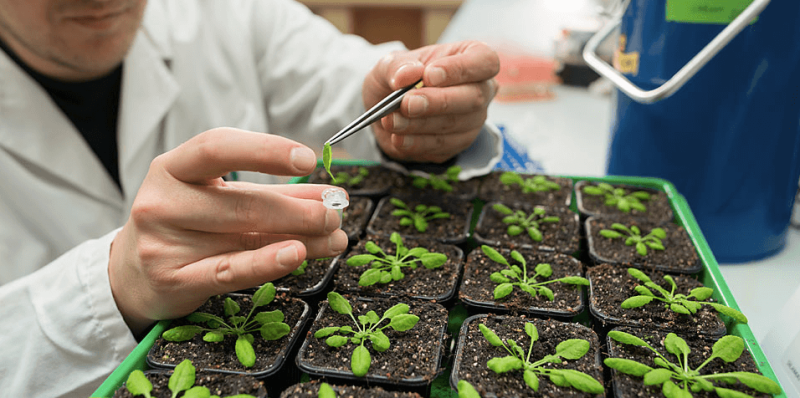

The [USDA] says it has no plans to regulate advanced breeding techniques that achieve the same results as traditional techniques, only faster, USDA Secretary Sonny Perdue announced….
…
At least five countries—Colombia, Canada, Australia, New Zealand, and Norway—are developing policies on whether, and how, to regulate these new forms of genetic engineering, according to USDA’s Animal and Plant Health Inspection Service, which regulates biotechnology products. Argentina, Brazil, Chile, and Israel already have implemented policies.
The European Commission has avoided a clear policy to date but the European Court of Justice is considering a legal case regarding mutagenesis, a technology that modifies certain genes for a desired outcome. And, given EU’s opposition to anything including GMOs, observers suggest that it is unlikely that that organization will be thrilled by this new U.S. policy and the future pressures it implies for the EU in the future.



Clarity matters to public and private plant breeding centers that depend on international certainty to make research investment decisions, Bethany Shively, spokeswoman with the American Seed Trade Association, told Bloomberg. However, it remains to be seen what level of anxiety and activity will now emerge from anti-GMO activists in the United States—certainly, new pushback efforts to turn USDA’s new policy around can be expected.
Read full, original post: USDA’s Shift in Biotech Regulation























