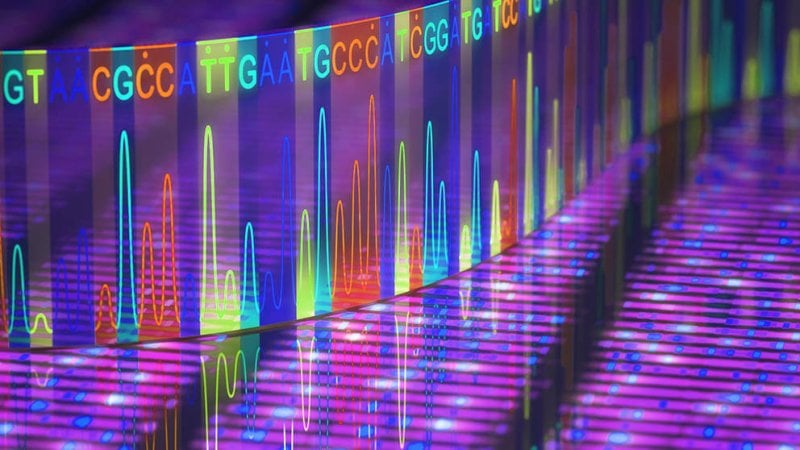
DNA sequencing for mass data collection may lower consumer costs to zero

bridging the gaps

A well-organized, highly curated database of genetic data from millions of people is a potential goldmine for drug company researchers and other scientists.

Aiming at a more mainstream audience, companies like 23andMe introduced a new vision: charging a modest amount for analysis along with interpretations aimed at ancestry, health, or pure curiosity. A 23andMe report is $99, or $199 for a deluxe version that includes health information.

[Sequencing for the masses] turns the market on its head. In this vision, DNA data is treated a lot like other personal digital information: If it’s collected in bulk, anonymized, and aggregated, it can be mined for value. […] These little startups and university-based projects pay you for your data, either with cash or with new knowledge.

The latest project at the startup DNAsimple is also meant to entice families to create pools of data that can be extremely valuable for genetic research. Beginning later this month, DNAsimple will offer the family members a report about their ancestry and traits — so you could learn whether you share a baldness pattern with your uncle, or whether you really have your mother’s eyes. If it takes off, it might even set a lower price for DNA data: A swap of information for more information, with no money exchanged at all.

The GLP aggregated and excerpted this blog/article to reflect the diversity of news, opinion, and analysis. Read full, original post: How Much is Your DNA Worth?


{{ reviewsTotal }}{{ options.labels.singularReviewCountLabel }}
{{ reviewsTotal }}{{ options.labels.pluralReviewCountLabel }}
{{ options.labels.newReviewButton }}
{{ userData.canReview.message }}

Related Articles

Infographic: Global regulatory and health research agencies on whether glyphosate causes cancer

Infographic: Global regulatory and health research agencies on whether glyphosate causes cancer

Does glyphosate—the world's most heavily-used herbicide—pose serious harm to humans? Is it carcinogenic? Those issues are of both legal and ...

Most Popular

ChatGPT-Image-May-28-2026-12_56_54-PM
Viewpoint: Vaccines' non-specific effects? The ‘shoddy’ Danish couple whose 'research’ inspires RFK, Jr.’s health delusion
Credit: ACSH
Viewpoint: Who and what’s to blame for the surge in vaccine-preventable diseases?
ChatGPT Image Jun 3, 2026, 03_14_43 PM
Viewpoint: How Earthjustice became the poster child for the abuse of special interest activist funding
Screenshot-2026-06-08-at-10.19.30-AM
‘Natural’ wellness supplements linked to liver injury
Screenshot-2026-06-08-at-11.05.51-AM
Can vaping lead to cancer? New ‘association study’ raises questions of “links"
Screenshot-2026-06-05-at-2.12.30-PM
Some plants can poison you. So how did humans figure out what is safe to eat?
Screenshot-2026-06-05-at-3.30.20-PM
Republican lawmakers spread misinformation claiming solar farms permanently destroy potato farms
Organic-Produce
Viewpoint: Why you should ignore organic food advocates’ advice to avoid ‘pesticide soaked’ conventional fruits and vegetables
Screenshot 2025-07-30 at 10.48
Can gene editing eliminate Down syndrome? Scientists have done it in lab-grown cells
edb7f6d7-2370-418f-9578-74e29678e35c
Facts & Fallacies Podcast: Nicotine vaping—public health miracle, or risk to children? Professor Cliff Douglas
ChatGPT-Image-Jun-5-2026-01_17_48-PM
GLP-1 weight-loss drugs may reshape our desires and emotions
ChatGPT-Image-Jun-5-2026-02_48_23-PM
Viewpoint: How Dr.TikTok (falsely) convinced me that cortisol was running my health
glp menu logo outlined

Get news on human & agricultural genetics and biotechnology delivered to your inbox.