Viewpoint: With climate change threatening crop diversity, genebanks are more important than ever

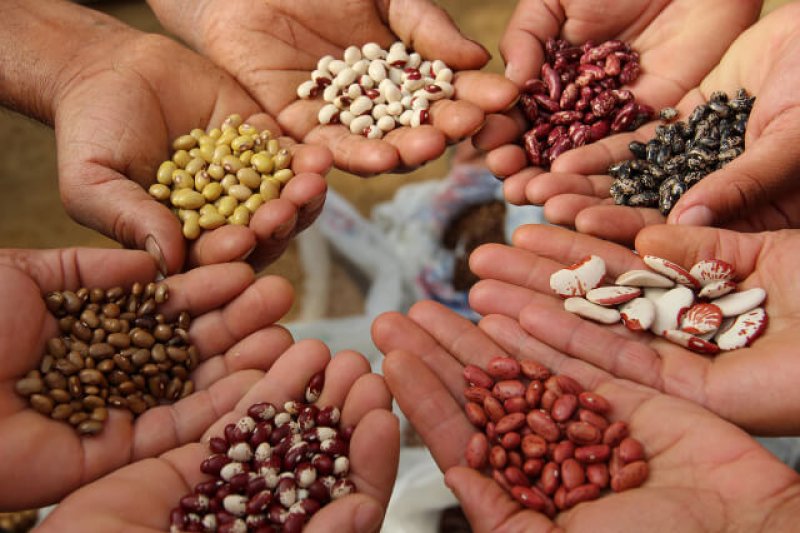
seeds
Credit: Krishi Jagran

Genebanks – repositories of genetic material (germplasm) of plants or animals – play a critical role towards a two-pronged goal: i) making the germplasm available for researchers, plant breeders and farmers in the short term and ii) ensuring that the genetic material for future food supply are preserved in the long term.

In other words, genebanks play a pivotal part in maintaining biological diversity, especially with the looming threat of climate change and other factors. The United Nations International Day for Biological Diversity is celebrated on 22 May as a reminder to everyone that biological diversity is a global asset that is fast depleting, and itsconservation, sustainable use and equitable sharing could not be overemphasized. The year 2018 marks the 25th anniversary of the Convention on Biological Diversity.

Over seven million plant germplasm accessions are currently conserved in 1750 genebanks around the world, and about two million are expected to be unique.

With climate change threatening crop diversity across the globe, genebanks cease to be mere repositories of germplasm and take on the imperative role of being the source of biological genetic diversity; providing enhanced seeds that can stand up to disease, pests and a changing environment; and protecting the native agricultural heritage of farmers across the world.

Editor’s note: Rajani Kumar is a communication officer at the International Crops Research Institute for the Semi-Arid Tropics (ICRISAT)

Read full, original post: Why seed conservation and genebanks are crucial for maintaining biodiversity

{{ reviewsTotal }}{{ options.labels.singularReviewCountLabel }}
{{ reviewsTotal }}{{ options.labels.pluralReviewCountLabel }}
{{ options.labels.newReviewButton }}
{{ userData.canReview.message }}

Related Articles

Infographic: Global regulatory and health research agencies on whether glyphosate causes cancer

Infographic: Global regulatory and health research agencies on whether glyphosate causes cancer

Does glyphosate—the world's most heavily-used herbicide—pose serious harm to humans? Is it carcinogenic? Those issues are of both legal and ...

Most Popular

ChatGPT Image May 10, 2026, 08_16_59 PM 2
Overmedicalization? RFK Jr.’s antidepressant crackdown raises conflict questions over his fee stake in Wisner Baum, the tort firm built on suing drug makers
Picture1-5
Science Disinformation Gap: The transatlantic battle over social media and censorship
Picture1-1
Cooling the planet with balloons: Could a geoengineering gamble slow global warming?
ChatGPT-Image-Apr-13-2026-02_20_22-PM
Viewpoint: Misinformation infodemic? Why assessing evidence is so challenging 
Screenshot-2026-05-11-104424
Hantavirus outbreak research: Trump administration shut down study last year on rodent-to-human transmission
Picture1-14
When superbugs threaten vulnerable children: Can AI help solve antibiotic resistance?
S
As vaccine rejectionism spreads, measles may be taking a more dangerous turn
Screenshot-2026-05-01-at-1.29.41-PM
Viewpoint: What happens when whole grains meet modern food manufacturing? Labels don’t tell the whole story.
Screenshot 2026-05-11 at 11.30
Despite politicized disinformation, Midwest AI data centers are fueling a solar energy boom
Screenshot-2026-05-08-at-11.55.47-AM
Anti-vax activists falsely blame COVID vaccines for the rising U.S. cancer rate among younger people.
Screenshot-2026-05-08-at-3.40.33-PM
Seeds of power: China turns to genetic engineering to become global superpower
Screenshot-2026-04-20-at-2.26.27-PM
Viewpoint — Food-fear world: The latest activist scientists campaign: Cancer-causing additives
glp menu logo outlined

Get news on human & agricultural genetics and biotechnology delivered to your inbox.