How CRISPR is speeding up animal research

bXB RZ Te lWPoXhcg g
Image source: Medium

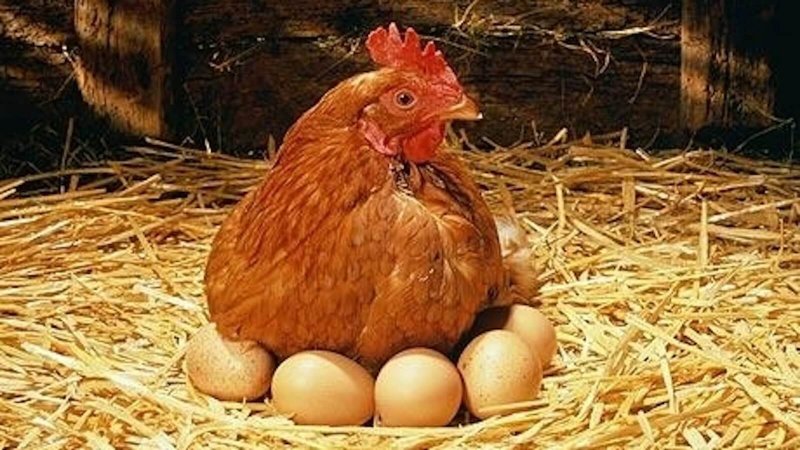
Fifteen years ago or so, when Helen Sang, a geneticist at the Roslin Institute in Edinburgh, and her colleagues wanted to get a gene into a chicken, the process was anything but fast.

But in the last few years, a new technology has arrived on the scene. CRISPR-Cas9 gene editing has made its way into labs around the world. It’s a comparatively cheap, fast, and adaptable way of precisely snipping out pieces of the genome and swapping in new pieces, which can be used directly on the DNA in reproductive cells and produces a finished mouse in three weeks. In chickens, it nearly halves the amount of time needed, Sang says. The tools are so quick, she says with a laugh, that “I sometimes think I should have sat with my feet up for a long time and waited for them to come.”

With something like this in hand, ideas that might have seemed overwhelmingly difficult are now potentially doable. In particular, scientists have swiftly adapted CRISPR tools for use in animals beyond mice, fruit flies, and other model organisms. That opens up a whole menagerie of creatures where quick, accurate gene editing is possible, with implications for agriculture and medicine.

In Sang’s lab, using CRISPR, the researchers are able to get their genes into chicken eggs with much higher efficiency.

Read full, original post: How CRISPR is Spreading Through the Animal Kingdom

{{ reviewsTotal }}{{ options.labels.singularReviewCountLabel }}
{{ reviewsTotal }}{{ options.labels.pluralReviewCountLabel }}
{{ options.labels.newReviewButton }}
{{ userData.canReview.message }}

Related Articles

Infographic: Global regulatory and health research agencies on whether glyphosate causes cancer

Infographic: Global regulatory and health research agencies on whether glyphosate causes cancer

Does glyphosate—the world's most heavily-used herbicide—pose serious harm to humans? Is it carcinogenic? Those issues are of both legal and ...

Most Popular

Screenshot-2026-05-01-at-11.56.24-AM
‘Science moves forward when people are willing to think differently’: Memories of DNA maverick Craig Venter
Screenshot-2026-04-03-at-11.15.51-AM
Paraben panic: How a flawed study, media hype, and chemophobia convinced the public of the danger of one of the safest classes of preservatives
Screenshot-2026-04-20-at-2.26.27-PM
Viewpoint — Food-fear world: The latest activist scientists campaign: Cancer-causing additives
Screenshot-2026-03-13-at-12.14.04-PM
The FDA wants to make many popular prescription drugs OTC—a great idea. Here’s why it’s unlikely to happen
ChatGPT-Image-May-1-2026-02_20_13-PM
How RFK, Jr.’s false vaccine claims are holding up $600 million to fight diseases in poor countries
viva-la-vida-watermelons
Misinformation and climate change are endangering summer watermelons
ChatGPT-Image-Mar-27-2026-11_27_05-AM
The myths of “process”: What science says about the “dangers’ of synthetic products and ultra-processed foods
Drinking lots of water can help reduce the effects of aging
Nanoplastics in drinking water: MAHA activists forge science-based bipartisan coalition 
79d03212-2508-45d0-b427-8e9743ff6432
Viewpoint: The Casey Means hustle—Wellness woo opportunism dressed up as medical wisdom
ChatGPT-Image-Apr-30-2026-12_21_05-PM-2
The tech billionaires behind the immortality movement
Screenshot-2026-04-30-at-2.19.37-PM
5 myths about summer dehydration that could damage your health — or even kill you
Screenshot-PM-24
Viewpoint: The herbicide glyphosate isn’t perfect. Banning it would be far worse.
ChatGPT-Image-Mar-10-2026-01_39_01-PM
Viewpoint—“Miracle molecule” debunked: Why acemannan supplements don’t work
glp menu logo outlined

Get news on human & agricultural genetics and biotechnology delivered to your inbox.