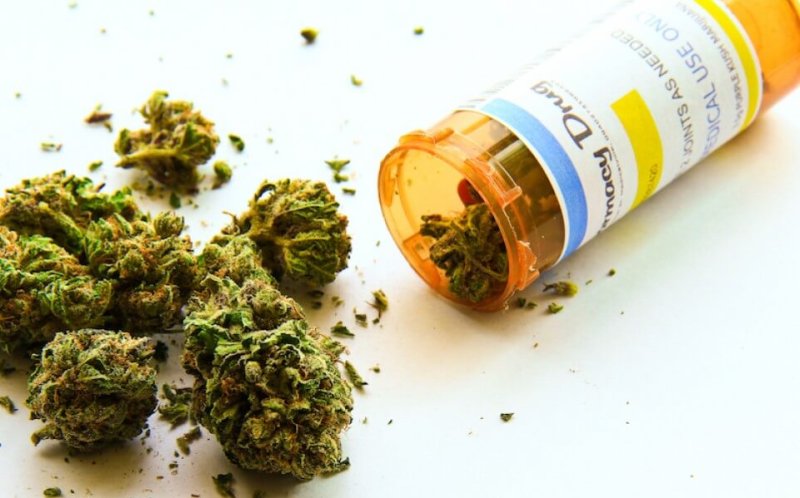
Medical marijuana and pain control: Study casts doubt on drug’s effectiveness

republican senator nothing to fear medical marijuana
Image Credit: Civilized

Depending on who you listen to, medical cannabis is either a rising star in the world of therapeutics or an over-vaunted pariah that should never have exited the grubby world of the illicit street corner deal.

The science, however, is decidedly patchy, plagued by poor quality studies and the challenge of giving standard doses of a drug with over 400 chemical ingredients – 60 of which are the cannabinoids implicated in pain relief, and others having opposing effects.

Published in the journal Lancet Public Health, [a new study] examined cannabis use over four years in a nationwide cohort of 1514 Australian adults with chronic non-cancer pain. Most had back or neck pain, neuropathic pain, or arthritis.

At the four year mark, just under a quarter had used cannabis as a painkiller. Those who did, however, reported more severe pain and greater disruption to their daily lives. Users also clocked higher anxiety and were less likely to think they could carry on in spite of pain.

Further, the researchers found cannabis use bore no relation in time with changes in pain scores or level of functioning.

“Cannabis use was common in people with chronic non-cancer pain who had been prescribed opioids, but we found no evidence that cannabis use improved patient outcomes,” the authors concluded.

Read full, original post: Pain control: “no evidence” cannabis improves outcomes

{{ reviewsTotal }}{{ options.labels.singularReviewCountLabel }}
{{ reviewsTotal }}{{ options.labels.pluralReviewCountLabel }}
{{ options.labels.newReviewButton }}
{{ userData.canReview.message }}

Related Articles

Infographic: Global regulatory and health research agencies on whether glyphosate causes cancer

Infographic: Global regulatory and health research agencies on whether glyphosate causes cancer

Does glyphosate—the world's most heavily-used herbicide—pose serious harm to humans? Is it carcinogenic? Those issues are of both legal and ...

Most Popular

Screenshot-2026-04-20-at-2.26.27-PM
Viewpoint — Food-fear world: The latest activist scientists campaign: Cancer-causing additives
Screenshot-2026-03-13-at-12.14.04-PM
The FDA wants to make many popular prescription drugs OTC—a great idea. Here’s why it’s unlikely to happen
Screenshot-2026-05-04-at-12.54.32-PM
How Utah became the country’s supplement capital  — and a haven for unregulated, ineffective and fake products
Screenshot-2026-05-01-at-11.56.24-AM
‘Science moves forward when people are willing to think differently’: Memories of DNA maverick Craig Venter
Screenshot-2026-04-03-at-11.15.51-AM
Paraben panic: How a flawed study, media hype, and chemophobia convinced the public of the danger of one of the safest classes of preservatives
Screenshot-2026-04-30-at-2.19.37-PM
5 myths about summer dehydration that could damage your health — or even kill you
ChatGPT-Image-May-1-2026-02_20_13-PM
How RFK, Jr.’s false vaccine claims are holding up $600 million to fight diseases in poor countries
ChatGPT-Image-Mar-27-2026-11_27_05-AM
The myths of “process”: What science says about the “dangers’ of synthetic products and ultra-processed foods
viva-la-vida-watermelons
Misinformation and climate change are endangering summer watermelons
ChatGPT-Image-Mar-10-2026-01_39_01-PM
Viewpoint—“Miracle molecule” debunked: Why acemannan supplements don’t work
Drinking lots of water can help reduce the effects of aging
Nanoplastics in drinking water: MAHA activists forge science-based bipartisan coalition 
glp menu logo outlined

Get news on human & agricultural genetics and biotechnology delivered to your inbox.