Why almost all psychologists are ideologically liberal, and why it matters

CA F A C AAA EC C A BE A A

When New York University psychologist Jonathan Haidt asked about a thousand attendees at the annual meeting of the Society for Personality and Social Psychology in 2011 to identify their political views with a show of hands, only three hands went up for “conservative or on the right.” Separately, a survey of more than 500 social and personality psychologists published in 2012 found that only 6 percent identified as conservative overall.

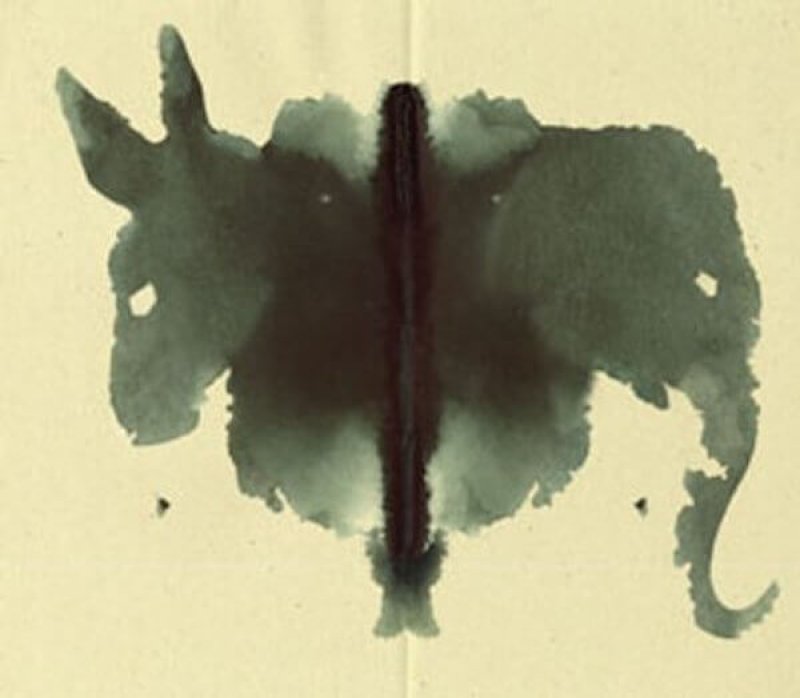
Psychologists, it appears, tend to fall on the liberal end of the political spectrum. Social psychology’s left tilt has been widely discussed, yet it has been difficult to measure how political leanings influence the work that the field produces. But a new study has tried to quantify just that, and it found that social psychologists assess conservatives differently than liberals.

[P]articipants [were asked] to rate whether a study’s findings were equally discussed in relation to liberals and conservatives, or instead were pinned on one group over the other. Sure enough, the abstracts more often explained their findings in terms of conservative ideas rather than liberal ones, and conservatives were described more negatively in the eyes of the raters.

The fact that researchers are engaging in self-reflection on this issue could be a reason for optimism. “Psychology as a field has problems, but it is not in denial. It is working on them,” Haidt said.

Read full, original post: Psychologists Looked In The Mirror … And Saw A Bunch Of Liberals

{{ reviewsTotal }}{{ options.labels.singularReviewCountLabel }}
{{ reviewsTotal }}{{ options.labels.pluralReviewCountLabel }}
{{ options.labels.newReviewButton }}
{{ userData.canReview.message }}

Related Articles

Infographic: Global regulatory and health research agencies on whether glyphosate causes cancer

Infographic: Global regulatory and health research agencies on whether glyphosate causes cancer

Does glyphosate—the world's most heavily-used herbicide—pose serious harm to humans? Is it carcinogenic? Those issues are of both legal and ...

Most Popular

Screenshot-2026-05-01-at-11.56.24-AM
‘Science moves forward when people are willing to think differently’: Memories of DNA maverick Craig Venter
Screenshot-2026-04-03-at-11.15.51-AM
Paraben panic: How a flawed study, media hype, and chemophobia convinced the public of the danger of one of the safest classes of preservatives
79d03212-2508-45d0-b427-8e9743ff6432
Viewpoint: The Casey Means hustle—Wellness woo opportunism dressed up as medical wisdom
ChatGPT-Image-Apr-30-2026-12_21_05-PM-2
The tech billionaires behind the immortality movement
Screenshot-PM-24
Viewpoint: The herbicide glyphosate isn’t perfect. Banning it would be far worse.
ChatGPT-Image-Mar-27-2026-11_27_05-AM
The myths of “process”: What science says about the “dangers’ of synthetic products and ultra-processed foods
ChatGPT-Image-Mar-10-2026-01_39_01-PM
Viewpoint—“Miracle molecule” debunked: Why acemannan supplements don’t work
Drinking lots of water can help reduce the effects of aging
Nanoplastics in drinking water: MAHA activists forge science-based bipartisan coalition 
ChatGPT-Image-May-1-2026-03_16_32-PM
Viewpoint: How ‘health care guru’ Joe Rogan circumvented the FDA’s skepticism on psychedelics
ChatGPT-Image-Mar-3-2026-01_17_14-PM
MAHA wellness influencers deride proven anxiety medications, tout lifestyle fixes
ChatGPT Image Apr 30, 2026, 01_11_41 PM
Trump’s America First health aid cuts: Retrenchment has already hit global malaria, HIV, TB, and polio programs
ChatGPT-Image-Apr-30-2026-05_00_48-PM
Wellness grifter physician turned wellness influencer out as surgeon general nominee
glp menu logo outlined

Get news on human & agricultural genetics and biotechnology delivered to your inbox.