Plant protection products and green genetic engineering [tools] are not a curse but a blessing, says Dr. Klaus Schlüter, a Phytopathologist who teaches Botany and Phytomedicine in the Department of Agriculture at Kiel University of Applied Sciences.
Mr Schlüter, many people are afraid of toxic pesticides. Are they right to be afraid?
No, this fear is absolutely unfounded. Presenting modern crop protection products as toxic and dangerous is wrong. Most of the substances authorized in the EU are also non-toxic in concentrated form to humans and animals. This has fundamentally changed the situation over the last 30 years, as until the 1970s there were a great many pesticides that were toxic; that is not the case today.
…
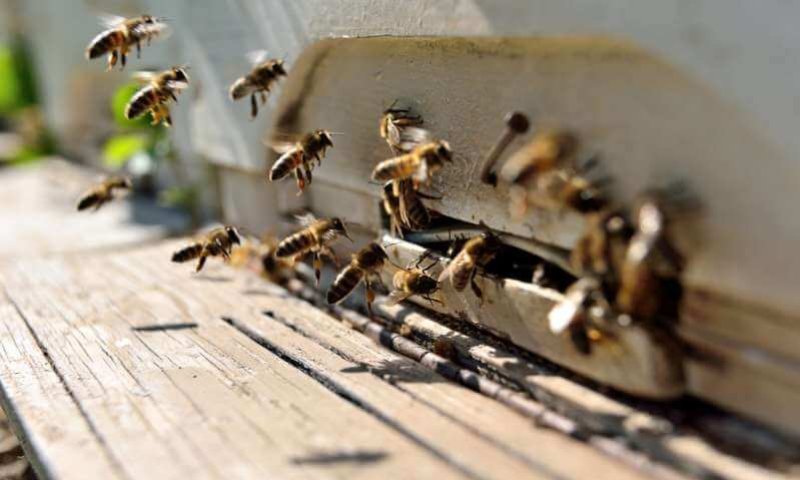
The EU has recently banned three crop protection products, known as neonicotinoids, outdoors because they apparently harm bees. The ban is good news – right?

There was no bee damage as a consequence of proper use in the EU. The often cited damage to bees was due to misuse by some farmers many years ago. However, the EU has set itself the goal of assessing crop protection agents according to the absolute zero-risk principle; that is pretty far from reality. Every pharmacological substance is accompanied by a risk, which is no different in crop protection! …
Editor’s note: This interview was originally published in German. This English summary has been prepared with Google Translate and lightly edited for clarity.
Read full, original article: „Das sind keine Frankenstein-Pflanzen!“